
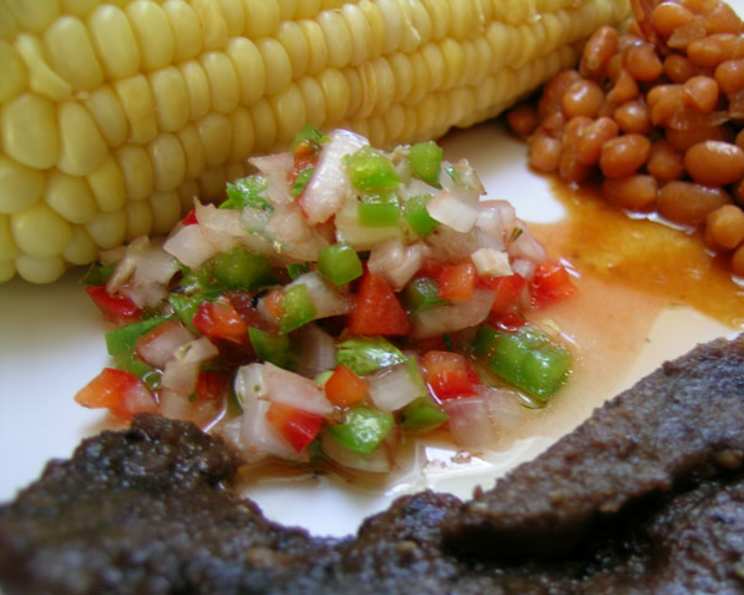
Chimichurri Sauce a la Argentina #1: A Culinary Love Letter
I’ll never forget the first time I tasted true chimichurri. It wasn’t in a fancy Buenos Aires restaurant, but at a humble parilla in the countryside. The air was thick with the aroma of grilling beef, and the family running the place placed a small bowl of vibrant green sauce on the table. One taste, and I was hooked. The bright, herbaceous flavors, the gentle kick of garlic and pepper, and the way it transformed the perfectly cooked steak – it was a revelation. This recipe captures that authentic taste and brings a piece of Argentina to your table.
Recipe Overview
- Prep Time: 22 minutes
- Total Time: 12 hours 22 minutes (includes marinating time)
- Yield: About 3 cups
- Dietary Type: Vegan, Gluten-Free
Ingredients
- 1 chopped sweet pepper
- 1 chopped, skinned, and seeded tomato
- 1 chopped onion
- 2 chopped cloves of garlic
- 2 chopped bay leaves
- 2 tablespoons chopped parsley
- 1/2 cup oil (good quality olive oil is recommended)
- 1 cup vinegar (red wine vinegar is traditional, but white wine vinegar works well too)
- 1 teaspoon salt
- 1 teaspoon cracked black peppercorns
- 1 teaspoon oregano
Equipment Needed
- Knife and cutting board
- Jar or airtight container
- Mixing bowl
- Measuring cups and spoons
Instructions
-
In a large bowl, combine the chopped sweet pepper, chopped tomato, chopped onion, chopped garlic, chopped bay leaves, and chopped parsley.
-
In a separate bowl, mix together the oil, vinegar, salt, cracked black peppercorns, and oregano.
-
Pour the liquid mixture over the chopped vegetables and herbs.
-
Mix thoroughly to ensure all ingredients are well combined.
-
Transfer the chimichurri to a jar or airtight container.
-
Cover the container tightly.
-
Leave the chimichurri to marinate for at least 12 hours at room temperature before using. This allows the flavors to meld and deepen.
-
The chimichurri will keep for several weeks in the refrigerator.
Expert Tips & Tricks
- Quality Ingredients Matter: Use the freshest herbs and vegetables you can find. The better the quality of the ingredients, the better the flavor of the chimichurri.
- Oil Selection: While olive oil is traditional, you can experiment with other oils like avocado oil for a slightly different flavor profile. Choose an oil with a good flavor that you enjoy.
- Vinegar Variety: Red wine vinegar is classic, but white wine vinegar, sherry vinegar, or even apple cider vinegar can be used. Each will impart a subtly different tanginess to the sauce.
- Spice Level: Adjust the amount of black pepper to your liking. For a spicier chimichurri, add a pinch of red pepper flakes or a finely chopped chili pepper to the mixture.
- Herb Variations: Feel free to experiment with other herbs, such as cilantro, thyme, or rosemary, to create your own unique twist on chimichurri.
- Chopping Technique: Finely chopping the vegetables and herbs is key to a good chimichurri. You want them to be small enough to easily blend together and release their flavors. A food processor can be used, but be careful not to over-process the ingredients into a puree.
- Taste as You Go: After the marinating period, taste the chimichurri and adjust the seasoning as needed. You may want to add more salt, pepper, or vinegar to achieve your desired flavor balance.
- Marinating Time is Crucial: Don’t skimp on the marinating time! This is essential for allowing the flavors to meld and develop. The longer it marinates, the better it will taste.
- Room Temperature Serving: For the best flavor, let the chimichurri come to room temperature before serving. This will allow the flavors to fully bloom.
Serving & Storage Suggestions
Chimichurri is incredibly versatile and can be used as a marinade, a sauce, or a condiment. It’s traditionally served with grilled steak, but it’s also delicious with chicken, pork, fish, vegetables, and even eggs.
- Serving: Serve chimichurri at room temperature. You can spoon it directly over grilled meats or vegetables, or offer it as a dipping sauce on the side. It’s also great on empanadas, sandwiches, and salads.
- Storage: Store chimichurri in an airtight container in the refrigerator. It will keep for several weeks, and the flavors will continue to develop over time.
- Freezing: While chimichurri can be frozen, the texture may change slightly upon thawing. If you choose to freeze it, divide it into small portions for easy thawing.
- Reheating: Chimichurri is best served cold or at room temperature, so reheating is not necessary. If you have frozen it, allow it to thaw completely in the refrigerator before serving.
Nutritional Information
| Nutrient | Amount per Serving | % Daily Value |
|---|---|---|
| Calories | 372.9 kcal | N/A |
| Calories from Fat | 329 g | 88% |
| Total Fat | 36.6 g | 56% |
| Saturated Fat | 4.8 g | 23% |
| Cholesterol | 0 mg | 0% |
| Sodium | 782.5 mg | 32% |
| Total Carbohydrate | 8.7 g | 2% |
| Dietary Fiber | 2 g | 7% |
| Sugars | 4.4 g | 17% |
| Protein | 1.3 g | 2% |
Note: Nutritional information is an estimate and may vary based on specific ingredients and preparation methods.
Variations & Substitutions
- Spicy Chimichurri: Add a finely chopped chili pepper (such as jalapeño or serrano) or a pinch of red pepper flakes for a spicy kick.
- Herb Variations: Experiment with different herbs such as cilantro, thyme, oregano, or rosemary.
- Vinegar Swap: Use white wine vinegar, sherry vinegar, or apple cider vinegar instead of red wine vinegar.
- Oil Options: Try avocado oil, grapeseed oil, or sunflower oil instead of olive oil.
- Lemon Chimichurri: Add the zest and juice of one lemon for a brighter, more citrusy flavor.
- Dried Herbs: If fresh herbs are not available, you can use dried herbs, but use about one-third of the amount called for in the recipe. For example, if the recipe calls for 2 tablespoons of fresh parsley, use 2 teaspoons of dried parsley.
FAQs (Frequently Asked Questions)
Q: Can I use dried herbs instead of fresh?
A: Yes, but use about one-third of the amount called for in the recipe since dried herbs are more concentrated in flavor.
Q: How long does chimichurri last in the refrigerator?
A: Chimichurri will last for several weeks in the refrigerator, and the flavors will actually improve over time.
Q: Can I freeze chimichurri?
A: Yes, but the texture may change slightly upon thawing. Freeze in small portions for easier use.
Q: What’s the best way to serve chimichurri?
A: Serve chimichurri at room temperature as a sauce, marinade, or condiment with grilled meats, vegetables, or eggs.
Q: What if I don’t have all the ingredients listed?
A: While it’s best to follow the recipe as closely as possible, you can make substitutions based on what you have available. Experiment with different herbs, vinegars, or oils to create your own unique flavor.
Final Thoughts
This Chimichurri a la Argentina #1 is more than just a recipe; it’s an invitation to experience the vibrant flavors of Argentine cuisine. Don’t be afraid to experiment with different variations and make it your own. I encourage you to try this recipe, share it with friends and family, and let the bright, herbaceous flavors transport you to the heart of Argentina. Pair it with a perfectly grilled steak and a glass of Malbec for an unforgettable culinary experience.