
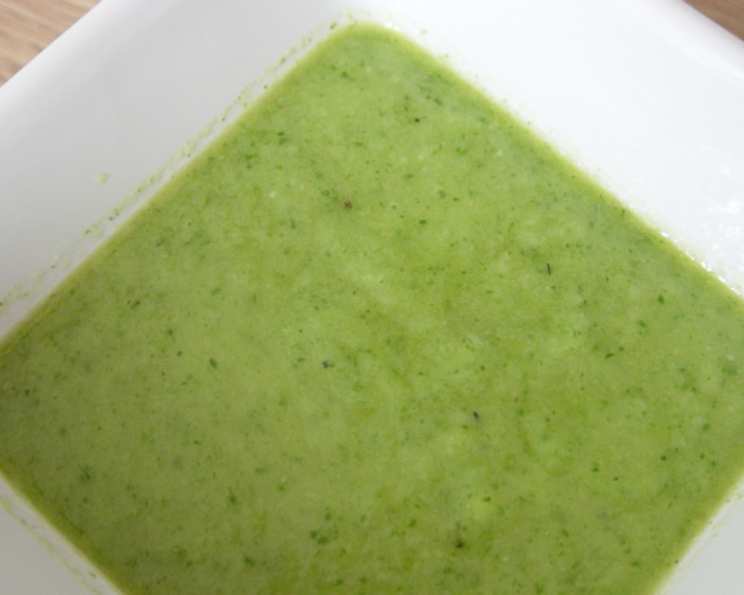
Chimichurri: Argentina’s Vibrant Green Sauce
My first taste of true Argentinian chimichurri wasn’t in a fancy Buenos Aires restaurant, but at a humble parrilla nestled in the foothills of the Andes. The aroma of wood smoke hung heavy in the air, mingling with the intoxicating scent of grilling meat. And then there was the chimichurri – a vibrant, emerald-green concoction that danced on my tongue with bursts of herbaceous freshness, a hint of garlic’s sharp bite, and the gentle warmth of chili. It was an awakening, a culinary revelation that forever changed my understanding of what a simple sauce could be. This recipe captures that memory, the essence of Argentina in a jar.
Recipe Overview
- Prep Time: 10 minutes
- Total Time: 2 hours 10 minutes
- Yields: 1 cup
- Dietary Type: Vegan, Gluten-Free
Ingredients
- ½ cup olive oil
- 2 tablespoons fresh lemon juice
- ⅓ cup minced fresh parsley
- 1 clove garlic, minced
- 2 minced shallots
- 1 teaspoon thyme or 1 teaspoon oregano (or mixture)
- Salt and pepper to taste
Equipment Needed
- Cutting board
- Knife
- Mixing bowl or jar
Instructions
- In a bowl or jar, combine the olive oil, fresh lemon juice, minced fresh parsley, minced garlic, and minced shallots.
- Add the thyme or oregano, or a mixture of both, according to your preference.
- Season generously with salt and pepper. Remember that the sauce will penetrate the food it accompanies, so a good amount of seasoning is essential.
- Thoroughly combine all ingredients. Stir well to ensure that the herbs are evenly distributed and coated in the oil and lemon juice.
- Let the mixture set for at least 2 hours before serving. This allows the flavors to meld together, creating a more complex and harmonious taste. Ideally, letting it sit overnight in the refrigerator enhances the flavour considerably.
Expert Tips & Tricks
- Herb Quality is Key: Fresh, vibrant parsley makes all the difference. Avoid wilted or yellowing parsley, as it will lack the bright flavor you’re looking for.
- Shallot Subtlety: Shallots provide a milder, sweeter onion flavor than red or white onions, which can be overpowering. If you only have onions, use them sparingly and mince them very finely.
- Oil Selection: Use a good quality extra virgin olive oil for the best flavor. A robust, peppery olive oil will add another layer of complexity.
- Acid Adjustment: Lemon juice provides brightness and acidity. Feel free to substitute with red wine vinegar for a more traditional chimichurri flavor. Start with a smaller amount and adjust to taste.
- Spice It Up: For a touch of heat, add a pinch of red pepper flakes or a finely minced chili pepper to the mix.
- Food Processor Alternative: While traditionally made by hand, you can use a food processor for a faster preparation. Pulse the ingredients until finely chopped, but be careful not to over-process into a puree. You want a chunky, textured sauce.
- Taste as you go: The beauty of chimichurri is how adaptable it is to your personal tastes. Sample after the 2-hour resting period and adjust the salt, pepper, lemon juice or herbs as needed to get it just right.
- Don’t be afraid to experiment: There are many variations of chimichurri, so feel free to adjust the herbs and spices to your liking. Add a pinch of cumin, coriander, or even a splash of Worcestershire sauce for a unique twist.
Serving & Storage Suggestions
Chimichurri is a versatile sauce that can be used in countless ways. It’s traditionally served with grilled meats, especially steak, but it’s also delicious with chicken, fish, vegetables, and even eggs.
- Serving: Drizzle chimichurri generously over your favorite grilled dishes. It can also be served as a dipping sauce for crusty bread or empanadas. A vibrant spoonful adds colour and flavour to bland cooked rice, couscous or potatoes.
- Storage: Store leftover chimichurri in an airtight container in the refrigerator for up to 5 days. The oil may solidify in the fridge; simply bring it to room temperature for a few minutes before serving. While technically you can freeze it, the texture of the herbs may be affected upon thawing.
- Reheating: Chimichurri is best served at room temperature or slightly chilled. No reheating is necessary.
Nutritional Information
| Nutrient | Amount per Serving | % Daily Value |
|---|---|---|
| Calories | 240 kcal | 12% |
| Total Fat | 25g | 38% |
| Saturated Fat | 3g | 15% |
| Cholesterol | 0mg | 0% |
| Sodium | 5mg | 0% |
| Total Carbohydrate | 2g | 1% |
| Dietary Fiber | 1g | 4% |
| Sugars | 0g | 0% |
| Protein | 0g | 0% |
Note: Nutritional information is an estimate and may vary based on specific ingredients and portion sizes.
Variations & Substitutions
- Red Chimichurri: For a spicier and more robust flavor, try making red chimichurri by adding dried red chili flakes, smoked paprika, and tomato paste to the base recipe.
- Herb Variations: Experiment with different herbs like cilantro, mint, or rosemary for unique flavor profiles.
- Vinegar Twist: Substitute lemon juice with red wine vinegar or sherry vinegar for a tangy twist.
- Garlic Intensity: Adjust the amount of garlic to your preference. For a milder flavor, use roasted garlic instead of raw.
- Vegan Option: This recipe is naturally vegan.
- Spicy Chimichurri: Add a finely chopped jalapeño or serrano pepper for extra heat. Remove the seeds for a milder spice level.
FAQs (Frequently Asked Questions)
Q: Can I use dried herbs instead of fresh?
A: While fresh herbs are ideal for their vibrant flavor, you can use dried herbs in a pinch. Use about 1 teaspoon of dried herbs for every tablespoon of fresh herbs.
Q: How long does chimichurri last?
A: Chimichurri will last for up to 5 days in the refrigerator. The oil may solidify, but it will return to normal consistency at room temperature.
Q: Can I freeze chimichurri?
A: Yes, you can freeze chimichurri, but the texture of the herbs may be slightly affected. Freeze in small portions for easy use.
Q: What if I don’t have shallots?
A: If you don’t have shallots, you can substitute with a small amount of finely minced red onion.
Q: Can I make this recipe in advance?
A: Yes, chimichurri actually tastes better after it has had time to sit and the flavors have melded together. Make it a day or two in advance for the best results.
Final Thoughts
Chimichurri is more than just a sauce; it’s a taste of Argentina, a celebration of fresh herbs, and a testament to the power of simple ingredients. I encourage you to try this recipe and experience the vibrant flavors for yourself. Don’t be afraid to experiment and make it your own. Pair it with a perfectly grilled steak, a glass of Malbec, and good company for a truly unforgettable experience. Enjoy!