
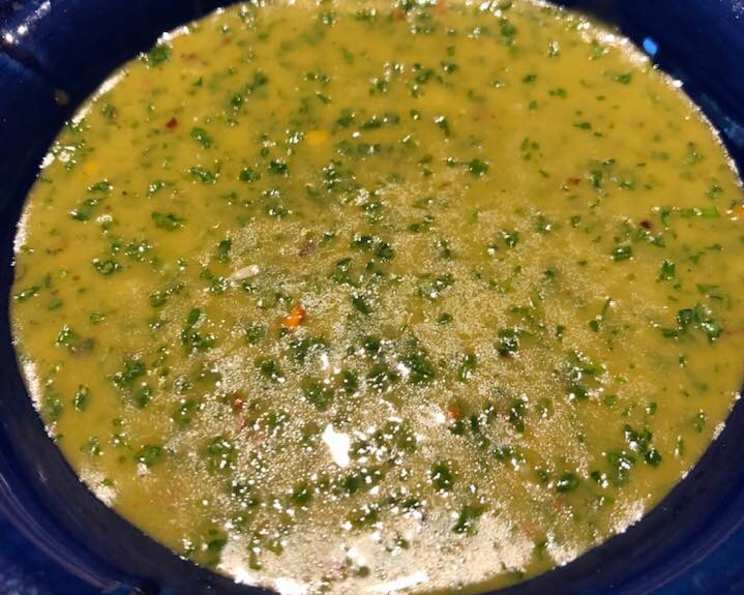
Emerald Fire: Mastering the Art of Chimichurri Sauce
I remember the first time I tasted chimichurri. I was backpacking through Argentina, and a weathered gaucho, after roasting a massive cut of beef over an open fire, drizzled this vibrant green sauce over the succulent meat. The explosion of flavors – the bright parsley, the sharp garlic, the hint of spice – was unlike anything I’d experienced. It was more than just a sauce; it was a taste of Argentina itself, a culinary story told in herbs and oil. From that moment, I was hooked, determined to master this simple yet transformative condiment.
Recipe Overview
- Prep Time: 10 minutes
- Cook Time: 0 minutes (No cooking required)
- Total Time: 10 minutes
- Yields: About 1 cup
- Dietary Type: Vegan, Gluten-Free, Dairy-Free, Keto, Paleo
Ingredients
- 1 cup packed fresh Italian parsley
- 1/2 cup olive oil
- 1/3 cup red wine vinegar
- 1/4 cup packed fresh cilantro
- 2 garlic cloves, peeled
- 3/4 teaspoon dry crushed red pepper
- 1/2 teaspoon ground cumin
- 1/2 teaspoon salt
Ingredient Notes:
- Parsley Variation: While Italian parsley is classic, you can experiment with flat-leaf parsley for a slightly different flavor profile.
- Spice Adjustment: Adjust the amount of crushed red pepper to suit your heat preference.
- Vinegar Alternative: If you don’t have red wine vinegar, white wine vinegar can be substituted, but it will slightly alter the flavor.
- Fresh Herbs: Dried herbs are not a good substitute in Chimichurri, the sauce relies on the fresh flavor.
Equipment Needed
- Food processor
- Measuring cups and spoons
- Mixing bowl
Instructions
-
Combine Ingredients: Place the parsley, olive oil, red wine vinegar, cilantro, garlic cloves, crushed red pepper, cumin, and salt in a food processor.
-
Puree: Pulse the ingredients in the food processor until finely chopped and well combined, but not completely smooth. You want some texture remaining. Avoid over-processing, which can turn the sauce into a puree.
-
Transfer: Transfer the chimichurri sauce to a bowl.
-
Rest (Optional): The chimichurri can be made up to 2 hours ahead. Cover and let stand at room temperature. This allows the flavors to meld. Refrigerating the chimichurri is also an option, however bring it back to room temperature before serving.
-
Serve: Serve immediately with grilled flank steak or chicken.
Expert Tips & Tricks
- Herb Prep: Thoroughly dry the parsley and cilantro after washing to prevent a watery sauce. Excess moisture dilutes the flavors and affects the texture.
- Garlic Intensity: For a milder garlic flavor, blanch the garlic cloves in boiling water for a minute before adding them to the food processor.
- Spice Level Control: If you’re sensitive to heat, start with a smaller amount of crushed red pepper and taste as you go. You can always add more, but you can’t take it away.
- Olive Oil Quality: Use a good-quality extra virgin olive oil for the best flavor. The olive oil is a key component of the sauce, so its quality matters.
- Texture Refinement: For a smoother sauce, you can drizzle in a little more olive oil while the food processor is running.
- Perfect Parsley: Remove the thick stems from the parsley. The stems can be bitter and create an unpleasant texture. Use only the leaves and tender parts of the stem.
- Flavor Boost: Add a squeeze of fresh lemon juice for an extra burst of acidity and brightness.
- Making it in Advance: Making the chimichurri a day in advance allows the flavors to truly meld and deepen. Store it in the refrigerator in an airtight container.
Serving & Storage Suggestions
Chimichurri is traditionally served with grilled meats, such as steak, chicken, or sausage. However, its versatility extends far beyond. Try it as a marinade for fish, a dressing for salads, a topping for roasted vegetables, or even a dip for crusty bread.
- Room Temperature: Chimichurri can be left at room temperature for up to 2 hours.
- Refrigeration: Store leftover chimichurri in an airtight container in the refrigerator for up to 3-4 days. The oil may solidify in the fridge, so allow it to come to room temperature before serving.
- Freezing: While not ideal, chimichurri can be frozen in ice cube trays for longer storage. Thaw the cubes in the refrigerator and use within a few weeks. Be aware that the texture and color may change slightly after freezing. It will lose a little of its brightness.
- Reheating: Chimichurri is best served cold or at room temperature. No reheating is necessary.
Nutritional Information
| Nutrient | Amount per Serving | % Daily Value |
|---|---|---|
| Calories | 1007.1 kcal | N/A |
| Calories from Fat | 979 g | 97% |
| Total Fat | 108.8 g | 167% |
| Saturated Fat | 15 g | 75% |
| Cholesterol | 0 mg | 0% |
| Sodium | 1210 mg | 50% |
| Total Carbohydrate | 7 g | 2% |
| Dietary Fiber | 2.5 g | 9% |
| Sugars | 0.9 g | 3% |
| Protein | 2.5 g | 5% |
Note: Nutritional information is an estimate and may vary based on specific ingredients and portion sizes.
Variations & Substitutions
- Chimichurri Rojo: For a red chimichurri, add sun-dried tomatoes or roasted red peppers to the food processor.
- Spicy Chimichurri: Increase the amount of crushed red pepper or add a finely chopped chili pepper, such as a jalapeño or serrano.
- Herb Variations: Experiment with different herbs, such as oregano, thyme, or mint.
- Acid Options: In place of red wine vinegar, try lemon juice, lime juice, or sherry vinegar.
- Vegan Option: This recipe is naturally vegan.
- Lower-Fat: Reduce the amount of olive oil slightly and substitute with water or vegetable broth. However, this will affect the flavor and texture.
FAQs (Frequently Asked Questions)
Q: Can I make chimichurri without a food processor?
A: Yes, you can finely chop all the ingredients by hand, but it will take more time and effort. The food processor helps to create a more uniform texture.
Q: How long does chimichurri last?
A: Chimichurri will last for 3-4 days in the refrigerator. The flavors will actually improve as it sits.
Q: Can I use dried herbs instead of fresh?
A: Fresh herbs are essential for chimichurri. Dried herbs will not provide the same vibrant flavor and texture.
Q: What if my chimichurri is too bitter?
A: The bitterness may be from the parsley stems or too much garlic. Remove the stems from the parsley and try blanching the garlic cloves before adding them to the sauce.
Q: What is the best way to serve chimichurri?
A: Chimichurri is best served at room temperature as a sauce or marinade for grilled meats, vegetables, or fish.
Final Thoughts
Chimichurri is more than just a sauce; it’s a celebration of fresh herbs and vibrant flavors. This simple recipe can elevate any meal, adding a touch of Argentinian flair to your kitchen. I encourage you to experiment with different variations and find your perfect blend. Whether you’re grilling a steak, roasting vegetables, or simply looking for a flavorful condiment, chimichurri is a must-try. So, gather your ingredients, fire up the grill, and get ready to experience the magic of this emerald fire! Feel free to adjust the ingredients to your preference and taste. Enjoy!