
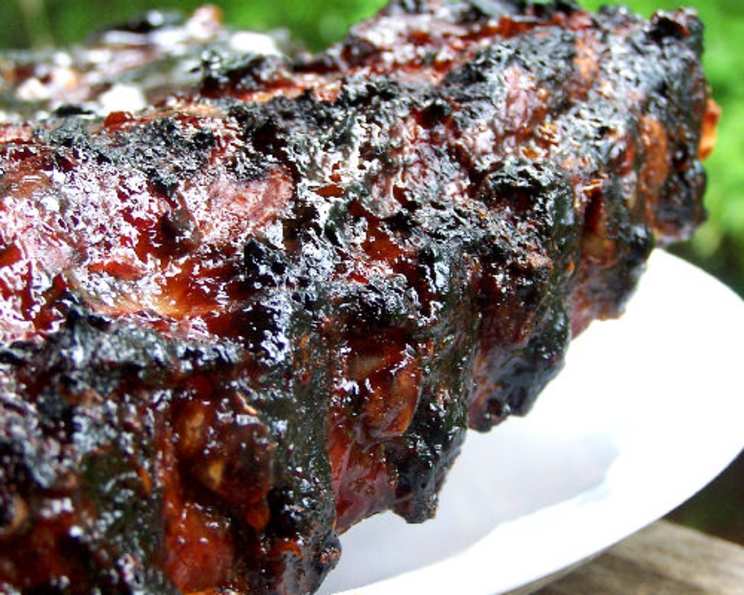
Chinese Barbecued Baby Back Ribs: A Sticky, Sweet, and Savory Delight
The first time I tasted ribs like these, I was a wide-eyed culinary student shadowing a chef in San Francisco’s Chinatown. The aroma alone – a heady blend of ginger, garlic, and sweet hoisin – was enough to transport me. But the taste? That was pure magic. The ribs were fall-off-the-bone tender, coated in a glaze that was both sticky and intensely flavorful. It was a revelation that forever changed my understanding of what barbecue could be. This recipe captures that memory, bringing the vibrant flavors of Chinese cuisine to a classic American comfort food.
Recipe Overview
- Prep Time: 15 minutes
- Cook Time: 48 minutes
- Total Time: 1 hour 3 minutes
- Servings: 4
- Dietary Type: Varies (see notes)
Ingredients
- 3 tablespoons chopped peeled gingerroot
- 2 tablespoons chopped garlic
- 1/3 cup soy sauce
- 2 tablespoons vegetable oil
- 1/2 cup hoisin sauce
- 2 tablespoons honey
- 4 lbs baby back ribs (2 to 4 racks)
Equipment Needed
- Blender
- Bowl
- Whisk
- 17- by 12- by 1-inch baking pan
- Aluminum foil
Instructions
-
Preheat your oven to 400°F with a rack positioned in the middle. Line a 17- by 12- by 1-inch baking pan with foil for easy cleanup.
-
In a blender, combine the chopped peeled gingerroot, chopped garlic, soy sauce, and vegetable oil. Blend until the mixture is smooth and forms a purée.
-
Transfer the puréed mixture from the blender to a bowl. Add the hoisin sauce and honey. Using a whisk, thoroughly combine all the ingredients until you have a smooth and consistent sauce.
-
Reserve 1/2 cup of the sauce. This will be used later for basting and glazing.
-
Coat the baby back ribs generously with the remaining sauce, ensuring that all sides are well covered.
-
Arrange the sauced ribs, meaty sides down, in the prepared baking pan.
-
Place the pan in the preheated oven and bake for 40 minutes. Halfway through the baking time (after 20 minutes), carefully turn the ribs over and baste them with some of the reserved sauce. This will ensure even cooking and flavor development.
-
After 40 minutes of baking, turn on the broiler in your oven.
-
Remove the ribs from the oven and brush the meaty sides up with the remaining reserved sauce.
-
Place the ribs under the broiler, positioning them 4 to 5 inches from the heat source. Broil until the edges of the ribs are lightly charred, approximately 4 to 8 minutes. Keep a close eye on the ribs during this process to prevent burning.
-
Remove the ribs from the oven and let them rest for a few minutes before cutting and serving.
Expert Tips & Tricks
- Spice it up: For a spicier kick, add a teaspoon of Sriracha or a pinch of red pepper flakes to the sauce.
- Make ahead: The sauce can be prepared a day in advance and stored in the refrigerator. You can also marinate the ribs in the sauce overnight for deeper flavor penetration.
- Doneness test: The ribs are done when the meat is easily pulled away from the bone. Use a fork to test for tenderness.
- Broiler safety: Broiling can be tricky. Keep a close watch to avoid burning the ribs. Lower the oven rack if necessary.
- Smoke flavor: If you have a smoker, you can smoke the ribs for an hour before baking to add a smoky dimension to the flavor.
Serving & Storage Suggestions
Serve these Chinese barbecued baby back ribs hot, straight from the oven or broiler. They are fantastic with a side of steamed rice, Asian slaw, or stir-fried vegetables. Garnish with chopped scallions and sesame seeds for a beautiful presentation.
Leftover ribs can be stored in an airtight container in the refrigerator for up to 3-4 days. To reheat, bake in a preheated oven at 350°F until warmed through, or microwave in short intervals, basting with a little extra sauce to keep them moist. For longer storage, freeze the ribs in a freezer-safe container for up to 2-3 months. Thaw overnight in the refrigerator before reheating.
Nutritional Information
Note: Nutritional information is an estimate and can vary based on specific ingredients and portion sizes.
| Nutrient | Amount per Serving | % Daily Value |
|---|---|---|
| Calories | 466 kcal | 23% |
| Total Fat | 40g | 62% |
| Saturated Fat | 14g | 70% |
| Cholesterol | 134mg | 45% |
| Sodium | 579mg | 24% |
| Total Carbohydrate | 7g | 2% |
| Dietary Fiber | 0.3g | 1% |
| Sugars | 4.5g | 9% |
| Protein | 18g | 36% |
Variations & Substitutions
- Gluten-Free: Use tamari instead of soy sauce to make the recipe gluten-free. Ensure your hoisin sauce is also gluten-free, as some brands contain wheat flour.
- Lower Sodium: Opt for low-sodium soy sauce to reduce the sodium content.
- Sweetness Adjustment: Adjust the amount of honey to your preference. Maple syrup can also be used as a substitute.
- Spice Level: As mentioned before, increase or decrease the amount of chili flakes or Sriracha depending on your heat preference.
- Vegetarian option: While the main recipe focuses on ribs, a similar marinade and glaze can be used on grilled or baked tofu or tempeh for a vegetarian alternative.
FAQs (Frequently Asked Questions)
Q: Can I use a different cut of pork?
A: While baby back ribs are ideal for their tenderness and flavor, you can also use spare ribs. Keep in mind that spare ribs might require a longer cooking time.
Q: How do I prevent the ribs from drying out during baking?
A: Basting the ribs with the reserved sauce during baking helps to keep them moist. You can also add a small amount of water or broth to the bottom of the baking pan to create steam.
Q: Can I cook these ribs on the grill instead of in the oven?
A: Yes, you can grill the ribs. Preheat your grill to medium heat and cook the ribs, turning occasionally, until they are cooked through and the glaze is caramelized. Be careful to avoid flare-ups that can burn the ribs.
Q: What is hoisin sauce, and where can I find it?
A: Hoisin sauce is a thick, fragrant sauce commonly used in Chinese cuisine. It is made from fermented soybeans, garlic, vinegar, sugar, and spices. You can find it in the Asian foods section of most supermarkets.
Q: Can I freeze the cooked ribs?
A: Yes, cooked ribs can be frozen for later consumption. Allow the ribs to cool completely before wrapping them tightly in plastic wrap and placing them in a freezer-safe bag or container.
Final Thoughts
I hope this recipe brings as much joy to your kitchen as it has to mine. These Chinese barbecued baby back ribs are a guaranteed crowd-pleaser, perfect for weeknight dinners or weekend gatherings. Don’t hesitate to experiment with the flavors and make it your own. And remember, the most important ingredient is always love. Enjoy the process, savor the flavors, and share your culinary creations with those you cherish. Consider pairing these ribs with a crisp, dry Riesling or a light-bodied Pinot Noir for a truly memorable dining experience.