
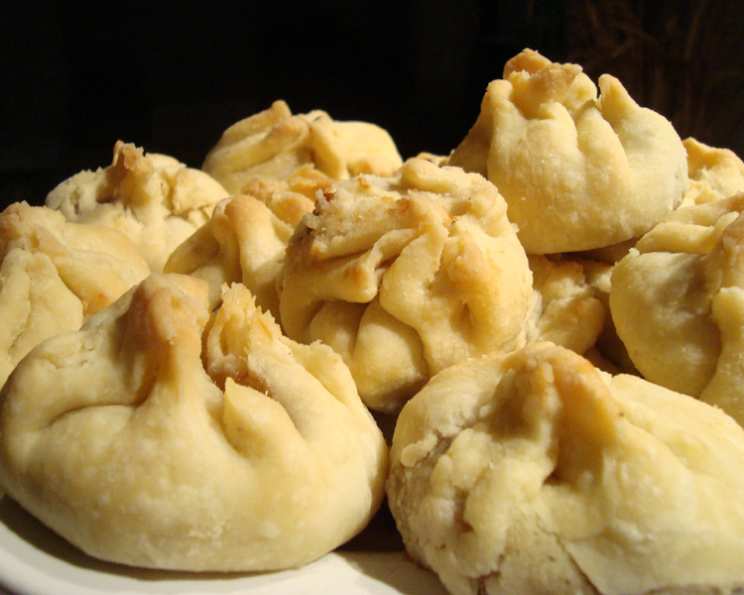
Chinese Barbecued Pork Buns (Cha Siu Bao): A Taste of Nostalgia
The scent of warm, sweet dough mingling with savory barbecued pork – it instantly transports me back to bustling Hong Kong streets. As a child, my grandmother would take me to her favorite dim sum parlor, and those fluffy, cloud-like buns were always a highlight. The slightly sticky, deeply flavorful pork filling nestled inside the soft, yielding bread was pure comfort. Even now, years later, that memory, and this recipe, brings a smile to my face.
Recipe Overview
- Prep Time: 3 hours 15 minutes
- Cook Time: 30 minutes
- Total Time: 3 hours 45 minutes
- Yields: 16 buns
- Dietary Type: Varies (can be modified)
Ingredients
For the Dough:
- 1/3 cup warm water
- 1/2 teaspoon sugar
- 1 (1/4 ounce) package dry yeast
- 2 1/2 cups all-purpose flour
- 2 1/2 cups cake flour
- 4 tablespoons sugar
- 1/2 teaspoon salt
- 2 tablespoons shortening
- 1 1/4 cups milk
- 16 pieces wax paper, cut to 2 inches square
For the Filling:
- 6 ounces Chinese barbecue pork, diced (you can make your own, try Chinese BBQ Pork, or simply pick some up from your local Chinese restaurant)
- 1 tablespoon vegetable oil
- 2 teaspoons water
- 1/2 teaspoon salt
- 1/2 teaspoon sugar
- 1/2 teaspoon thin soy sauce
- 1 teaspoon oyster sauce
- 1 teaspoon hoisin sauce
- 2 teaspoons cornstarch
- 4 teaspoons cold water
Equipment Needed
- 8 oz. measuring cup
- Large mixing bowl
- Damp cloth
- Wok or large frying pan
- Pie pan
- Steamer
Instructions
-
In an 8 oz. measuring cup, mix together the warm water, 1/2 teaspoon sugar, and yeast. Let stand until it rises to the 8 oz. level (about 20 minutes). This step ensures the yeast is active and will help the dough rise properly. If it doesn’t bubble and rise, your yeast may be old and you’ll need to use a fresh packet.
-
In a large mixing bowl, sift together the all-purpose flour, cake flour, 4 tablespoons sugar, and salt. Sifting ensures a light and airy texture for your buns.
-
Add the shortening, yeast mixture, and milk to the dry ingredients.
-
Knead the mixture for 5 minutes to form a dough. The dough should be smooth and elastic. If it’s too sticky, add a little more flour, one tablespoon at a time, until it reaches the right consistency.
-
Cover the dough with a damp cloth and set it in a warm place. Allow the dough to rise for 3 hours. This is a crucial step for developing the characteristic fluffy texture of cha siu bao. Resist the urge to shorten this time; the longer rise allows the yeast to do its work. A warm spot in your kitchen, like near a slightly warm oven, will encourage the dough to rise more quickly.
-
While the dough is rising, prepare the filling. Heat the vegetable oil in a wok or large frying pan.
-
Stir-fry the diced Chinese barbecue pork for 2 minutes. This warms the pork and helps to release its delicious flavors.
-
Add 2 teaspoons water, 1/2 teaspoon salt, 1/2 teaspoon sugar, 1/2 teaspoon thin soy sauce, 1 teaspoon oyster sauce, and 1 teaspoon hoisin sauce to the pork.
-
Bring the mixture to a boil. The sauce will start to thicken and cling to the pork.
-
In a separate small bowl, mix the cornstarch and 4 teaspoons cold water to form a slurry. This slurry will act as a thickening agent for the sauce.
-
Stir the cornstarch slurry into the pork mixture and cook for 1 minute until thickened. The sauce should be glossy and coat the pork evenly.
-
Let cool completely before making the buns. This is important because a warm filling can melt the shortening in the dough, making it difficult to shape the buns.
-
After 3 hours, when the dough has risen, shape it into rolls about 2 inches in diameter.
-
Cut each roll into 1-1/2 inch pieces. This will give you approximately 16 pieces, enough for the recipe’s yield.
-
Shape each piece into a shallow bowl shape. This creates a pocket for the pork filling.
-
Put 1 tablespoon of filling in the center of each dough bowl. Don’t overfill, or the buns will be difficult to close.
-
Close and twist the dough to form a bun, sealing the filling inside. Make sure the seal is tight to prevent the filling from leaking out during steaming.
-
Put each bun on a 2 inch square of wax paper. This prevents the bun from becoming soggy while steaming and makes them easier to remove.
-
Place 8 buns at a time in a pie pan and allow them to set and rise for 15 minutes in a warm place. This second rise helps to ensure a light and airy bun.
-
Steam for 25 minutes. Make sure the water in your steamer doesn’t run dry, and avoid peeking too often, as this can lower the temperature and affect the steaming process. A bamboo steamer is ideal, but a metal steamer basket works just as well.
Expert Tips & Tricks
- For an extra glossy finish, brush the steamed buns with a light coating of honey or egg wash before steaming.
- If you don’t have cake flour, you can substitute it with all-purpose flour. For every cup of cake flour, use 1 cup of all-purpose flour minus 2 tablespoons, and then add 2 tablespoons of cornstarch. This will mimic the lower protein content of cake flour.
- To prevent the buns from sticking to the steamer, line the bottom of the steamer with parchment paper or cabbage leaves.
- If you want to make the dough ahead of time, you can refrigerate it after the first rise. Punch it down to release the air, wrap it tightly in plastic wrap, and store it in the refrigerator for up to 24 hours. Bring it back to room temperature before shaping and steaming.
Serving & Storage Suggestions
Serve the cha siu bao warm, straight from the steamer. They are delicious on their own or as part of a dim sum spread. Leftovers can be stored in an airtight container in the refrigerator for up to 3 days. To reheat, steam them again for a few minutes until warmed through. You can also freeze the cooked buns for up to 2 months. Thaw them overnight in the refrigerator before reheating. Microwaving is not recommended as it can make the buns tough.
Nutritional Information
(Note: This is an estimate and will vary based on the specific ingredients used.)
| Nutrient | Amount per Serving | % Daily Value |
|---|---|---|
| Calories | 250 kcal | 13% |
| Total Fat | 8g | 10% |
| Saturated Fat | 2g | 10% |
| Cholesterol | 15mg | 5% |
| Sodium | 350mg | 15% |
| Total Carbohydrate | 40g | 15% |
| Dietary Fiber | 2g | 8% |
| Sugars | 8g | |
| Protein | 7g | 14% |
Variations & Substitutions
- Vegetarian Cha Siu Bao: Substitute the barbecued pork with marinated and diced mushrooms or firm tofu for a vegetarian option.
- Gluten-Free Dough: Use a gluten-free flour blend designed for bread making. Be sure to add a binder like xanthan gum to help with structure.
- Sweet Potato Dough: Incorporate mashed sweet potato into the dough for a slightly sweet and vibrant twist. Use about 1/2 cup of mashed sweet potato and adjust the liquid accordingly.
- Spicy Cha Siu Bao: Add a pinch of red pepper flakes to the filling for a touch of heat. You can also use a spicy hoisin sauce.
FAQs (Frequently Asked Questions)
Q: Why is my dough not rising?
A: Ensure your yeast is fresh and the water is warm, not hot, which can kill the yeast. Also, the room temperature should be warm enough to encourage the yeast to activate.
Q: Can I use a bread machine to make the dough?
A: Yes, you can use a bread machine. Add the ingredients in the order recommended by your bread machine manufacturer and use the dough setting.
Q: How do I prevent the buns from getting soggy?
A: Place each bun on a small square of wax paper before steaming. This will prevent them from sitting directly in the condensation.
Q: Can I bake these buns instead of steaming them?
A: While steaming is traditional and results in a softer bun, you can bake them at 350°F (175°C) for about 15-20 minutes, or until golden brown. Brush with egg wash for a glossy finish. Note that the texture will be different.
Q: What if I don’t have Chinese BBQ pork?
A: You can use leftover roasted pork, pork tenderloin marinated in barbecue sauce, or even shredded chicken. The key is to have a flavorful, savory filling.
Final Thoughts
I hope this recipe inspires you to create your own batch of delicious cha siu bao and perhaps even evoke some cherished memories of your own. Don’t be intimidated by the slightly longer prep time; the result is well worth the effort. Feel free to experiment with different fillings and dough variations to create your own signature version. And, if you make these, be sure to share your experiences – I’d love to hear how they turned out! Pair these with a cup of hot jasmine tea for the perfect, comforting snack or appetizer. Happy baking!