
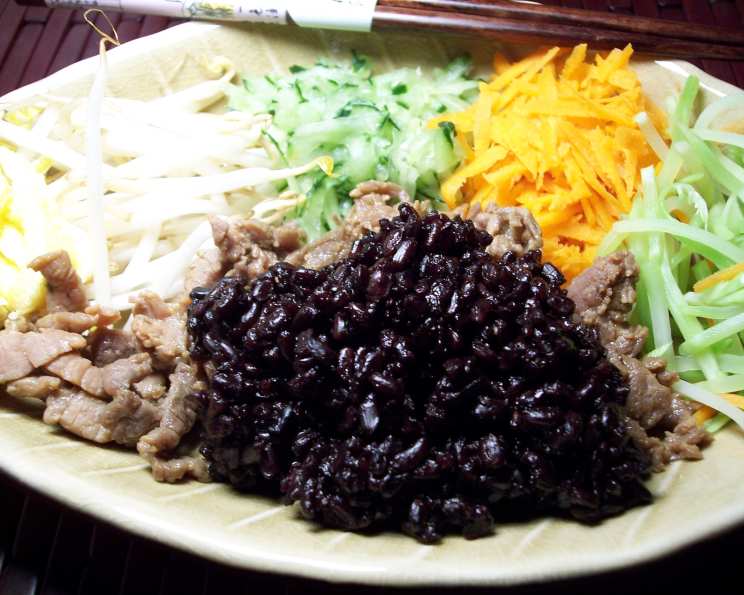
Unlocking the Secrets of Forbidden Rice: A Culinary Journey
My earliest memory of black rice isn’t from a restaurant or even a cookbook, but from a small, bustling market in Shanghai. The vendor, a woman with hands weathered by time and a smile as warm as the summer sun, scooped the dark, glistening grains into a paper bag. The aroma, subtly nutty and almost floral, was intoxicating. She called it “longevity rice,” a treasure reserved for emperors and now, thankfully, accessible to all. That day, I learned that black rice was more than just food; it was a symbol of health, history, and a culture’s deep respect for the gifts of the earth.
Recipe Overview
- Prep Time: 5 minutes
- Cook Time: 25 minutes
- Total Time: 30 minutes
- Yields: 2 1/4 cups cooked rice
- Serves: 2-3
- Dietary Type: Vegan, Gluten-Free
Ingredients
- 1 cup black rice
- 1 1/2 cups water
Equipment Needed
- Medium-sized pot with a lid
- Fine-mesh sieve
Instructions
-
Begin by thoroughly rinsing the black rice in a fine-mesh sieve under cold running water until the water runs clear. This step removes excess starch, preventing the cooked rice from becoming too sticky.
-
Place the well-rinsed black rice in a medium-sized pot.
-
Cover the rice with 1 1/2 cups of water.
-
Bring the mixture to a boil over medium-high heat. Once boiling, you’ll see bubbles forming on the surface.
-
Immediately reduce the heat to low, cover the pot tightly with a lid, and let the rice cook undisturbed for 25 minutes. It’s crucial to keep the lid on during this time to trap the steam and ensure even cooking.
-
After 25 minutes, remove the pot from the heat and let it rest, still covered, for an additional 10 minutes. This allows the rice to fully absorb any remaining liquid and complete its cooking process.
-
Finally, fluff the black rice gently with a fork before serving. This separates the grains and prevents them from clumping together.
Expert Tips & Tricks
-
Rinsing is Key: Don’t skip the rinsing step. It’s essential for achieving the perfect texture. Over-rinsing is better than under-rinsing.
-
The Water Ratio: The 1:1.5 rice-to-water ratio is crucial. Too much water will result in soggy rice; too little, and it will be undercooked. Adjust slightly based on your stove and altitude – if you find the rice consistently undercooked, add a tablespoon or two more water next time.
-
Don’t Peek! Resist the temptation to lift the lid during the cooking process. Each time you lift the lid, you release steam and lower the temperature, which can affect the cooking time and final texture.
-
Salt is Your Friend: While this recipe is simple, a pinch of salt added at the beginning can enhance the nutty flavor of the rice.
-
Toasting for Extra Flavor: For a deeper, more complex flavor, try toasting the rinsed rice in a dry pan for a few minutes before adding the water. Watch it carefully to prevent burning.
-
Instant Pot Adaptation: Black rice cooks beautifully in an Instant Pot. Use the same rice-to-water ratio and cook on high pressure for 22 minutes, followed by a 10-minute natural pressure release.
Serving & Storage Suggestions
Black rice, with its striking color and unique texture, adds elegance to any meal. Serve it as a side dish alongside grilled fish, roasted vegetables, or stir-fries. It’s also a fantastic base for grain bowls, salads, or even sweet desserts like rice pudding.
Leftover cooked black rice can be stored in an airtight container in the refrigerator for up to 4 days. To reheat, simply microwave it with a splash of water or broth until heated through. You can also freeze cooked black rice for longer storage (up to 2 months). Spread it out on a baking sheet to freeze individually, then transfer to a freezer bag. Reheat directly from frozen.
Nutritional Information
| Nutrient | Amount per Serving | % Daily Value |
|---|---|---|
| Calories | 358 kcal | – |
| Calories from Fat | 4 g | 1% |
| Total Fat | 0.5 g | 0% |
| Saturated Fat | 0.1 g | 0% |
| Cholesterol | 0 mg | 0% |
| Sodium | 6.3 mg | 0% |
| Total Carbohydrate | 79.2 g | 26% |
| Dietary Fiber | 2.8 g | 11% |
| Sugars | 0 g | 0% |
| Protein | 6.5 g | 13% |
Note: Percent Daily Values are based on a 2000 calorie diet. Daily values may be higher or lower depending on your calorie needs.
Variations & Substitutions
-
Coconut Black Rice: Substitute coconut milk for water for a richer, more fragrant rice. This works particularly well in Asian-inspired dishes.
-
Savory Black Rice: Add diced vegetables (such as carrots, celery, and onions) to the pot along with the rice and water for a more flavorful side dish. You can also add herbs and spices like thyme, rosemary, or garlic.
-
Sweet Black Rice Pudding: Cook the black rice with milk (dairy or non-dairy), a touch of sugar or maple syrup, and spices like cinnamon and cardamom for a comforting and nutritious dessert.
-
Black Rice Salad: Once cooked and cooled, toss the black rice with chopped vegetables, herbs, and a light vinaigrette for a refreshing and healthy salad.
-
Forbidden Rice Paella: Substitute traditional rice with black rice for a visually stunning and unique twist on the classic Spanish dish.
FAQs (Frequently Asked Questions)
Q: What exactly is black rice?
A: Black rice, also known as forbidden rice or Emperor’s rice, is a type of rice with a deep purple hue that appears black when uncooked. This coloration comes from its high anthocyanin content, a powerful antioxidant.
Q: Why is it called “forbidden rice?”
A: Historically, black rice was so rare and nutritious that it was reserved exclusively for the Chinese emperors, hence the name “forbidden rice” as commoners were not allowed to consume it.
Q: Does black rice taste different from white or brown rice?
A: Yes, black rice has a distinctive nutty flavor and a slightly chewy texture, making it a more interesting and flavorful alternative to white or brown rice.
Q: How can I tell if the black rice is cooked properly?
A: The rice should be tender and slightly chewy. All the water should be absorbed. If the rice is still hard, add a little more water and cook for a few more minutes.
Q: Can I use a rice cooker to cook black rice?
A: Absolutely! Use the same rice-to-water ratio as you would for stovetop cooking, and follow your rice cooker’s instructions for white rice.
Final Thoughts
Black rice, once a privilege of emperors, is now a delicious and accessible way to elevate your everyday meals. Its nutty flavor, striking color, and impressive nutritional profile make it a true culinary gem. Don’t be intimidated by its exotic name; this recipe proves that preparing black rice is simple and rewarding. Experiment with different variations, pair it with your favorite dishes, and share your creations with friends and family. I encourage you to embrace the richness of this ancient grain and experience the magic of forbidden rice for yourself. Bon appétit!