
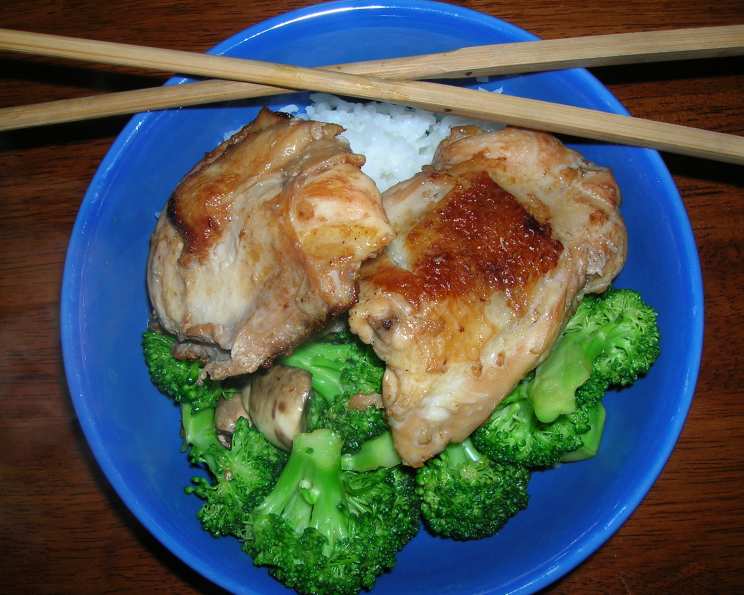
Crispy, Golden Perfection: Mastering Chinese Fried Chicken
The first time I tasted truly exceptional fried chicken was at a tiny, family-run restaurant in San Francisco’s Chinatown. I remember the aroma hitting me before I even stepped inside – a symphony of warm spices and sizzling oil. Each bite was an explosion of textures: shatteringly crisp skin giving way to incredibly juicy, flavorful meat. It wasn’t just fried chicken; it was an experience. I watched the chef carefully pounding, marinating, and frying the chicken, I knew I had to recreate this dish in my own kitchen. Over the years, I’ve honed my version, drawing inspiration from that memory and countless experiments, to bring you this truly remarkable Chinese fried chicken recipe.
Recipe Overview
- Prep Time: 2 hours 15 minutes
- Cook Time: 15 minutes
- Total Time: 2 hours 30 minutes
- Servings: 4-6
- Yield: 8 pieces
- Dietary Type: Varies (see substitutions)
Ingredients
- 2 1/2 – 3 lbs chicken, cut into 8 pieces (wings, thighs, drumsticks, breast halves)
- 2 tablespoons soy sauce (low sodium recommended)
- 1 tablespoon sherry wine
- 1 teaspoon salt
- 1/2 teaspoon sugar
- 1 scallion, including the green top, cut into 2-inch pieces and split in half
- 1/2 inch gingerroot, crushed
- 3 cups peanut oil (for frying) or other oil with a high smoke point
- 1/2 cup flour
Equipment Needed
- Large bowl
- Paper towels
- Wok or deep-fryer
- Plastic or paper bag
- Deep frying thermometer (optional)
Instructions
-
Start by preparing the chicken. Chop each of the 8 chicken pieces (2 wings, 2 thighs, 2 drumsticks, 2 breast halves) into roughly 2-inch pieces, cutting across the bones to ensure even cooking and maximum flavor absorption.
-
Rinse the chopped chicken pieces thoroughly under cold running water. This helps to remove any impurities and ensures a cleaner flavor profile.
-
Drain the rinsed chicken well and then pat dry with paper towels. It’s crucial that the chicken is as dry as possible before marinating and frying. Excess moisture will prevent the skin from crisping up properly.
-
In a large bowl, combine the soy sauce, sherry wine, salt, sugar, scallion, and crushed gingerroot. Stir well until the salt and sugar are completely dissolved. This mixture forms the flavorful base of our marinade.
-
Add the chicken to the bowl containing the marinade. Toss the chicken pieces thoroughly to ensure that each piece is fully coated with the mixture.
-
Marinate the chicken for at least 1-2 hours at room temperature, or preferably overnight in the refrigerator. Longer marinating times allow the flavors to penetrate deeper into the meat, resulting in a more flavorful end product.
-
Once the marinating time is complete, drain the marinade and discard it. Do not reuse the marinade, as it has been in contact with raw chicken.
-
Again, wipe the chicken pieces dry with paper towels. Removing excess moisture is critical for achieving that signature crispy skin.
-
Pour the peanut oil (or your chosen oil) into a wok or deep-fryer. Heat the oil over medium-high heat until it forms a haze or reaches a temperature of 375-degrees F (190-degrees C) on a deep-frying thermometer. If you don’t have a thermometer, you can test the oil by dropping a small piece of bread into it; if it sizzles and turns golden brown in about 30 seconds, the oil is ready.
-
Place the flour in a plastic or paper bag. This makes it easy to coat the chicken evenly.
-
Add the chicken pieces to the bag with the flour. Shake the bag well to coat the chicken evenly on all sides. Make sure each piece is thoroughly covered in flour for maximum crispiness.
-
Carefully drop the flour-coated chicken pieces into the hot oil. Be sure not to overcrowd the pan, as this will lower the oil temperature and result in soggy chicken. Fry in batches if necessary.
-
Turn the chicken pieces frequently for about 5 minutes, or until they are golden brown on all sides. Monitor the color closely to prevent burning.
-
As the chicken pieces finish cooking, remove them from the oil and place them on paper towels to drain excess oil. This helps to maintain the crispiness of the skin.
-
Repeat the frying process until all of the chicken is cooked. Serve immediately and enjoy!
Expert Tips & Tricks
- Double Frying: For extra crispy chicken, try double frying. Fry the chicken as directed, let it cool slightly, then fry it again for a minute or two just before serving.
- Ginger Infusion: For a more intense ginger flavor, infuse the oil with ginger slices before frying. Remove the ginger before adding the chicken.
- Spice it Up: Add a pinch of red pepper flakes or a dash of your favorite chili oil to the marinade for a spicy kick.
- Brining: If you have the time, brining the chicken before marinating can result in even juicier meat.
- Cornstarch Addition: Add 1-2 tablespoons of cornstarch to the flour mixture. This helps to create an even crispier coating.
- Make Ahead: You can marinate the chicken a day ahead for maximum flavor. Just be sure to keep it refrigerated.
Serving & Storage Suggestions
Serve your Chinese fried chicken hot and fresh, accompanied by steamed rice and your favorite Asian-inspired side dishes like stir-fried vegetables or spring rolls. For a complete meal, consider a dipping sauce like sweet chili sauce, plum sauce, or a simple soy sauce and sesame oil mixture.
Leftovers can be stored in an airtight container in the refrigerator for up to 3 days. To reheat, bake in a preheated oven at 350°F (175°C) until heated through, or use an air fryer for best results in restoring the crispiness. Reheating in the microwave is not recommended as it will make the chicken soggy.
Nutritional Information
Please note that these values are estimates and may vary depending on specific ingredients and cooking methods.
| Nutrient | Amount per Serving | % Daily Value |
|---|---|---|
| Calories | 475 kcal | 24% |
| Total Fat | 30g | 46% |
| Saturated Fat | 8g | 40% |
| Cholesterol | 110mg | 37% |
| Sodium | 750mg | 31% |
| Total Carbohydrate | 10g | 3% |
| Dietary Fiber | 1g | 4% |
| Sugars | 2g | – |
| Protein | 35g | 70% |
Variations & Substitutions
- Gluten-Free: Substitute the flour with a gluten-free all-purpose flour blend or rice flour. Be sure to check your soy sauce to ensure it’s gluten-free as well (tamari is a good option).
- Vegetarian “Chicken”: Use firm or extra-firm tofu, pressed to remove excess water, and cut into similar-sized pieces as the chicken. Marinate and fry as directed.
- Spicier Version: Add a tablespoon of Sriracha or gochujang to the marinade for a fiery kick.
- Lemon-Garlic Twist: Add lemon zest and minced garlic to the flour mixture for a bright, aromatic flavor.
- Herbal Infusion: Mix dried herbs like thyme, rosemary, or oregano into the flour for a savory twist.
FAQs (Frequently Asked Questions)
Q: Can I use chicken breasts instead of bone-in pieces?
A: Yes, you can use boneless, skinless chicken breasts. However, bone-in pieces tend to be more flavorful and stay juicier during frying. Adjust cooking time accordingly, as boneless chicken will cook faster.
Q: What kind of oil is best for frying?
A: Peanut oil is traditionally used and provides a neutral flavor with a high smoke point. Other good options include canola oil, vegetable oil, or sunflower oil.
Q: How do I know when the chicken is cooked through?
A: The internal temperature of the chicken should reach 165°F (74°C). You can use a meat thermometer to check. Alternatively, pierce the chicken with a fork; if the juices run clear, it’s likely done.
Q: My chicken is burning on the outside but still raw on the inside. What am I doing wrong?
A: The oil is likely too hot. Lower the heat slightly and make sure you are not overcrowding the pan. Also, ensure the chicken pieces are not too large, as they may not cook through before the outside burns.
Q: Can I bake this chicken instead of frying it?
A: While frying is essential for the signature crispy texture, you can bake the chicken for a healthier option. Preheat your oven to 400°F (200°C). Place the flour-coated chicken on a baking sheet lined with parchment paper. Bake for 25-30 minutes, or until the chicken is cooked through and the skin is golden brown. Spraying the chicken with oil before baking can help it crisp up.
Final Thoughts
Now that you’re armed with this comprehensive guide, it’s time to embark on your own Chinese fried chicken adventure. Don’t be afraid to experiment with variations and substitutions to find your perfect version. Whether you’re recreating a cherished memory or discovering a new favorite dish, the joy of creating delicious food is a reward in itself. So gather your ingredients, put on some music, and get ready to transform your kitchen into a haven of crispy, golden perfection. And please, let me know what you think! I’d love to hear about your fried chicken triumphs. This chicken pairs perfectly with a cold Asian beer, or a refreshing glass of iced green tea.