
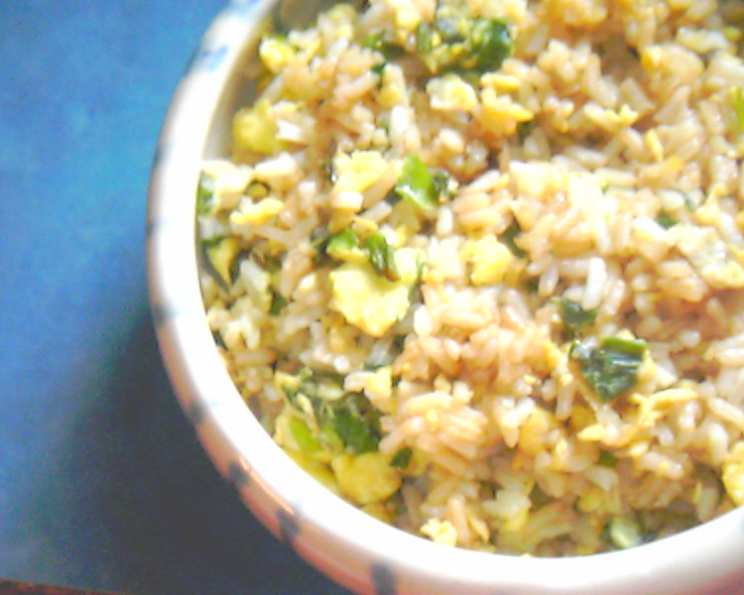
The Soul of Simplicity: Mastering Classic Chinese Fried Rice
The first time I made fried rice, I was barely tall enough to reach the stove. Standing on a rickety stool in my grandmother’s bustling Hong Kong kitchen, I watched, mesmerized, as she transformed leftover rice into a fragrant, golden masterpiece. The sizzle of the wok, the rhythmic clanging of her spatula, the intoxicating aroma of soy sauce and scallions – it was a symphony of flavors and techniques that sparked my lifelong love affair with Chinese cuisine. That simple dish, born from resourcefulness and love, remains a cherished memory and a constant source of inspiration.
Recipe Overview
- Prep Time: 10 minutes
- Cook Time: 15 minutes
- Total Time: 25 minutes
- Servings: 2-3
- Yield: Approximately 4 cups
- Dietary Type: Can be Vegetarian, Gluten-Free (check soy sauce)
Ingredients
- 3 cups cooked rice, cooled (ideally day-old rice)
- 1/4 cup vegetable oil
- 1 green onion, thinly sliced
- 3 eggs, slightly beaten
- 1 tablespoon soy sauce
Equipment Needed
- Large skillet or wok
- Spatula
- Small bowl (for eggs)
Instructions
- Heat the vegetable oil in a large skillet or wok over medium-high heat. Make sure the pan is properly hot before adding any ingredients; this helps prevent the rice from sticking.
- Add the thinly sliced green onion to the hot oil. Sauté for about 30 seconds to 1 minute, or until fragrant and lightly golden. Be careful not to burn the green onion, as this will impart a bitter flavor.
- Pour the slightly beaten eggs into the skillet. Let the eggs cook for a few seconds, then scramble them with your spatula until they are mostly cooked but still slightly moist.
- Before the eggs completely set, stir in the cooked rice. Breaking up any clumps with your spatula. The key to perfect fried rice is to use cold, day-old rice, as it is drier and will not become mushy during cooking.
- Mix the rice and eggs well, ensuring that the rice is evenly coated with the egg. Continue to cook, stirring constantly, for 6-8 minutes, or until the rice is heated through and slightly golden. Constant stirring is crucial to prevent sticking and ensure even cooking.
- Add the soy sauce to the fried rice. Mix well to distribute the soy sauce evenly, ensuring that the entire dish is coated in the savory flavor.
- Continue to cook for another minute or two, stirring constantly, until the soy sauce is fully absorbed and the rice is heated through.
- Serve immediately.
Expert Tips & Tricks
- Rice is Key: The quality of your rice dramatically impacts the final product. Day-old rice is your best friend because it has dried out slightly, preventing a sticky, mushy outcome. If you don’t have day-old rice, spread freshly cooked rice on a baking sheet and refrigerate it for at least 30 minutes to dry it out.
- Wok Hei (Breath of the Wok): Achieving “wok hei,” that smoky, slightly charred flavor, is a hallmark of great fried rice. This requires high heat and constant movement. If you’re using a regular skillet, don’t overcrowd it – work in batches if necessary.
- Oil Temperature: The oil needs to be hot enough to quickly cook the ingredients without making them greasy. Test the oil by dropping a small piece of green onion into it. If it sizzles immediately, it’s ready.
- Egg Placement: Some chefs prefer to make a well in the center of the rice and pour the eggs in there, allowing them to cook separately before mixing everything together. This can result in a more visually appealing dish with distinct strands of egg.
- Don’t Overcrowd the Pan: Cooking too much rice at once will lower the pan’s temperature and result in steamed rice rather than fried rice. Cook in batches if necessary.
- Spice it Up: Add a dash of red pepper flakes or a drizzle of chili oil for a touch of heat.
- Flavor Boost: A small amount of sesame oil added at the end can enhance the flavor.
Serving & Storage Suggestions
Serve the Chinese fried rice hot, as a main course or a side dish. It pairs wonderfully with stir-fried vegetables, Kung Pao chicken, or sweet and sour pork. Garnish with extra green onion or a sprinkle of sesame seeds for added visual appeal.
Leftover fried rice can be stored in an airtight container in the refrigerator for up to 3 days. To reheat, microwave on medium power, stirring occasionally, until heated through. You can also reheat it in a skillet over medium heat with a little oil, stirring frequently. Ensure the rice is heated thoroughly before consuming. Freezing is not recommended as the texture of the rice may change.
Nutritional Information
| Nutrient | Amount per Serving | % Daily Value |
|---|---|---|
| Calories | 350 kcal (estimated) | – |
| Total Fat | 15g | 23% |
| Saturated Fat | 3g | 15% |
| Cholesterol | 180mg | 60% |
| Sodium | 400mg | 17% |
| Total Carbohydrate | 40g | 13% |
| Dietary Fiber | 1g | 4% |
| Sugars | 2g | – |
| Protein | 10g | 20% |
Note: Nutritional information is an estimate and may vary based on specific ingredients and portion sizes.
Variations & Substitutions
- Vegetarian Fried Rice: Omit the eggs and add more vegetables like carrots, peas, mushrooms, and bell peppers. Tofu can also be added for protein.
- Chicken Fried Rice: Add cooked, diced chicken breast to the skillet along with the green onion.
- Shrimp Fried Rice: Add cooked shrimp to the skillet along with the green onion.
- Pork Fried Rice: Add cooked, diced pork (such as char siu) to the skillet along with the green onion.
- Beef Fried Rice: Add cooked, thinly sliced beef to the skillet along with the green onion.
- Gluten-Free Fried Rice: Use tamari instead of soy sauce to ensure it is gluten-free.
- Brown Rice Fried Rice: Use cooked brown rice instead of white rice for a healthier option.
- Kimchi Fried Rice: Add chopped kimchi to the skillet along with the green onion for a spicy and flavorful twist.
- Spicy Fried Rice: Add a tablespoon of sriracha or chili garlic sauce to the skillet along with the soy sauce for extra heat.
- Vegetable Medley: Include frozen mixed vegetables for a quick and easy addition.
FAQs (Frequently Asked Questions)
Q: Why is my fried rice mushy?
A: The most common reason is using freshly cooked rice. Day-old rice is drier and holds its shape better. Also, avoid overcrowding the pan, as this can steam the rice instead of frying it.
Q: Can I use a different type of oil?
A: Yes, you can use canola oil, peanut oil, or avocado oil as alternatives to vegetable oil. These oils have a high smoke point, which is important for stir-frying.
Q: How can I prevent the rice from sticking to the pan?
A: Make sure the pan is properly heated before adding the oil. Using a non-stick skillet or wok can also help. Stir the rice constantly to prevent it from sticking.
Q: Can I add other vegetables to the fried rice?
A: Absolutely! Feel free to add your favorite vegetables, such as carrots, peas, mushrooms, bell peppers, or bean sprouts. Just be sure to chop them into small pieces and add them along with the green onion.
Q: How do I make the rice more flavorful?
A: You can add a dash of sesame oil, a sprinkle of garlic powder, or a pinch of white pepper to enhance the flavor of the rice. A small amount of oyster sauce (if not vegetarian) can also add depth.
Final Thoughts
This simple fried rice recipe is more than just a quick meal; it’s a gateway to culinary creativity. With a few basic ingredients and a little practice, you can customize it to your liking and create a dish that’s both comforting and satisfying. So, grab your skillet, gather your ingredients, and embark on a delicious adventure. Don’t be afraid to experiment and make it your own. Share your creations with friends and family, and let the flavors of this timeless classic bring joy to your table.