
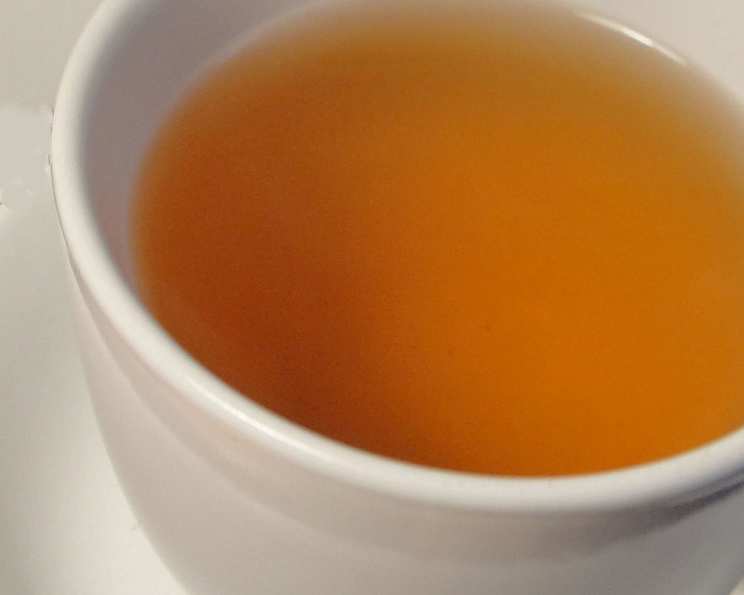
Unveiling the Simplicity of Authentic Chinese Green Tea
The clatter of chopsticks against porcelain, the murmur of conversation, and the gentle steam rising from a cup of green tea – these are the sounds and sensations that transport me back to a small, family-run restaurant I frequented during my travels in China. It wasn’t the elaborate dishes or the exotic ingredients that captivated me most; it was the simple, comforting ritual of sipping hot green tea, a constant companion throughout the meal, cleansing the palate and calming the senses. Its unassuming presence spoke volumes about the culture’s deep respect for balance and harmony.
Recipe Overview
- Prep Time: 2 minutes
- Cook Time: 5 minutes
- Total Time: 7 minutes
- Servings: 4
- Yields: 4 cups
- Dietary Type: Vegan, Gluten-Free, Dairy-Free, Sugar-Free
Ingredients
- 4 cups cold water
- 4 teaspoons green tea (or 4 tea bags)
Equipment Needed
- Kettle or pot
- Strainer (if using loose leaf tea)
- Teapot (optional, for serving)
Instructions
- Begin by bringing the 4 cups of cold water just to a boil. Watch closely; you want to see small bubbles forming at the bottom of the pot, but avoid a rolling boil, as this can scorch the tea leaves and result in a bitter taste.
- Once the water reaches the desired temperature, immediately remove it from the heat source.
- If you’re using loose leaf tea, place the 4 teaspoons of green tea into a strainer. Ensure the strainer is fine-meshed to prevent tea particles from escaping into your brew. If you’re using tea bags, have them ready.
- Carefully position the strainer with the tea leaves over the pot or teapot, allowing the hot water to flow through the leaves. Alternatively, add the tea bags directly to the pot.
- Allow the tea to steep for 3-5 minutes. The steeping time is crucial; over-steeping will release tannins, resulting in a bitter and astringent flavor. Start with 3 minutes and taste, adjusting to your preference.
- Once the steeping time is complete, immediately remove the strainer with the tea leaves or the tea bags from the water. This prevents further extraction and ensures a balanced flavor profile.
- Serve the tea immediately in a teapot or directly into cups. Enjoy the aroma and savor the delicate flavors.
Expert Tips & Tricks
- Water Quality Matters: The quality of your water significantly impacts the taste of your green tea. Filtered water is highly recommended for the purest flavor. Avoid using tap water with strong chlorine or mineral tastes.
- Temperature is Key: Green tea is more delicate than black tea and benefits from a lower brewing temperature. Boiling water can scorch the leaves and make the tea bitter. Aim for a temperature between 175°F and 185°F (80°C and 85°C). If you don’t have a thermometer, simply bring the water to a boil and let it sit for a minute or two before pouring it over the tea leaves.
- Steeping Time Experimentation: The ideal steeping time is subjective and depends on the type of green tea and your personal preference. Start with 3 minutes and adjust to find the perfect balance of flavor and strength.
- Multiple Infusions: High-quality loose leaf green tea can often be infused multiple times. With each subsequent infusion, the flavor will evolve, offering a slightly different tasting experience. Simply add hot water to the leaves and steep for a slightly longer time than the previous infusion.
- Preheating the Teapot: Before brewing, warm the teapot by rinsing it with hot water. This helps maintain the water temperature during steeping and ensures a more consistent brew.
- Leaf-to-Water Ratio: The recipe calls for a general amount of tea per cup. However, depending on the green tea variety, you may want to adjust. Start with the recommended amount and see if it’s strong enough, then adjust on your next brew.
Serving & Storage Suggestions
Serve hot green tea immediately after brewing to enjoy its optimal flavor and aroma. It’s best served in small teacups, allowing you to appreciate the color and fragrance. The tea can be kept warm in a thermos for a short period, but avoid prolonged storage as the flavor can deteriorate.
Brewed green tea is best consumed fresh. If you have leftover tea, it can be stored in the refrigerator for up to 24 hours, but the flavor will diminish. Reheating is not recommended, as it can further degrade the flavor.
Nutritional Information
| Nutrient | Amount per Serving | % Daily Value |
|---|---|---|
| Calories | 0 kcal | 0% |
| Total Fat | 0 g | 0% |
| Saturated Fat | 0 g | 0% |
| Cholesterol | 0 mg | 0% |
| Sodium | 7.1 mg | 0% |
| Total Carbohydrate | 0 g | 0% |
| Dietary Fiber | 0 g | 0% |
| Sugars | 0 g | 0% |
| Protein | 0 g | 0% |
Note: Nutritional information is an estimate and may vary based on specific ingredients and preparation methods.
Variations & Substitutions
- Different Green Tea Varieties: Explore different varieties of green tea, such as Sencha, Gyokuro, Matcha, or Dragon Well, each offering a unique flavor profile.
- Jasmine Green Tea: Add a few jasmine blossoms to the green tea leaves during steeping for a fragrant and floral twist.
- Citrus Infusion: Add a thin slice of lemon or orange to the teapot during steeping for a refreshing citrusy flavor. Be cautious not to overdo it, as the citrus can overpower the delicate tea flavor.
- Sweetened Green Tea: While traditionally served unsweetened, you can add a touch of honey, agave nectar, or stevia to sweeten the tea to your liking. Start with a small amount and adjust to taste.
- Iced Green Tea: Brew the green tea as directed, then allow it to cool completely. Pour it over ice and garnish with a lemon wedge or mint sprig for a refreshing iced beverage.
- Green Tea Latte: Blend brewed green tea with steamed milk (dairy or non-dairy) and a touch of sweetener for a creamy and comforting latte.
FAQs (Frequently Asked Questions)
Q: Can I use tap water to make green tea?
A: While tap water can be used, filtered water is highly recommended to avoid any chlorine or mineral tastes that can affect the tea’s flavor.
Q: What happens if I steep the tea for too long?
A: Over-steeping can release tannins, resulting in a bitter and astringent flavor. It’s best to stick to the recommended steeping time and taste test to find your preference.
Q: Can I reuse the tea bags for a second cup?
A: While you can reuse tea bags, the second cup will be significantly weaker in flavor. For the best flavor, it’s recommended to use fresh tea bags for each cup.
Q: How do I store leftover brewed green tea?
A: Leftover brewed green tea can be stored in the refrigerator for up to 24 hours, but the flavor will diminish. Reheating is not recommended.
Q: What are the health benefits of green tea?
A: Green tea is rich in antioxidants and has been linked to various health benefits, including improved heart health, brain function, and weight management. However, it’s important to note that these are potential benefits and not guarantees.
Final Thoughts
Brewing a cup of Chinese green tea is a simple yet profound act, a moment of mindful connection to centuries of tradition. It’s an invitation to slow down, appreciate the subtle nuances of flavor, and find a moment of peace in our busy lives. Don’t be afraid to experiment with different varieties and steeping times to discover your perfect cup. I encourage you to try this recipe and share your experience. Perhaps you’ll find it the perfect complement to your next Asian-inspired meal or simply enjoy it as a quiet moment of reflection. Enjoy!