
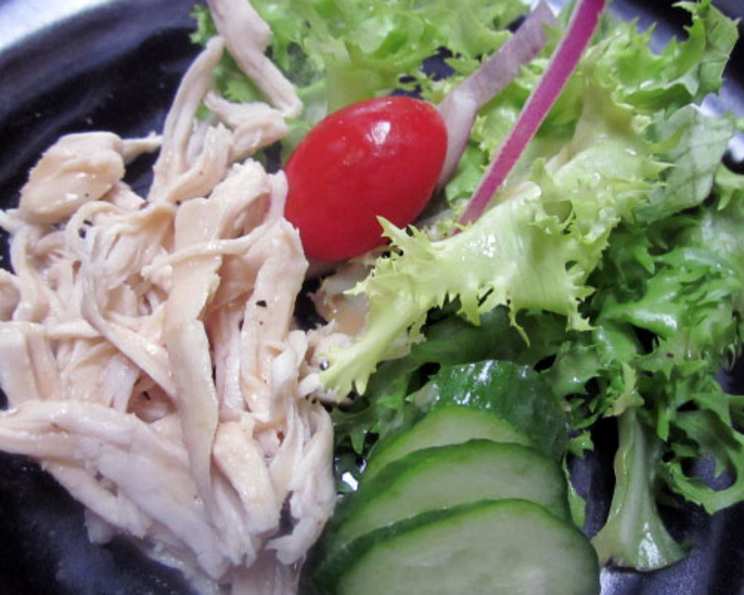
Chinese Mustard Vinaigrette: A Symphony of Flavors
My earliest memories of Chinese cuisine aren’t necessarily centered around steaming baskets of dumplings or crispy Peking duck. Instead, I fondly recall family gatherings where my aunt, a fearless experimental cook, would whip up her famous “mystery salad.” It was always a vibrant mix of shredded cabbage, crunchy noodles, and succulent chicken, all bound together by a tangy, subtly spicy dressing that had everyone clamoring for seconds. Years later, I realized that her secret weapon was a homemade Chinese mustard vinaigrette, and that revelation opened a whole new world of flavor possibilities for me. It’s a taste that still brings a smile to my face and a longing for those carefree family feasts.
Recipe Overview
- Prep Time: 5 minutes
- Cook Time: 0 minutes
- Total Time: 5 minutes
- Servings: 4
- Yield: About ½ cup
- Dietary Type: Vegetarian, Gluten-Free, Dairy-Free
Ingredients
- 2 teaspoons Chinese mustard (such as Coleman’s) or 2 teaspoons English mustard (such as Coleman’s)
- ¼ cup rice wine vinegar
- 1 teaspoon soy sauce
- 2 tablespoons light sesame oil
- 1 ½ tablespoons honey
- Salt, to taste
- Black pepper, to taste
- 2-3 tablespoons peanut oil
Equipment Needed
- Blender or Food Processor
Instructions
-
In a blender or food processor, combine the Chinese mustard (or English mustard), rice wine vinegar, soy sauce, sesame oil, and honey.
-
Blend or process the ingredients until the mixture is smooth and emulsified. This usually takes about 15-20 seconds.
-
With the machine running on low, slowly drizzle in the peanut oil. Continue to blend until the vinaigrette is fully emulsified and has a slightly thickened consistency. The slow addition of the oil is crucial for achieving a stable emulsion.
-
Taste the vinaigrette and adjust the seasonings as needed. You may want to add a pinch of salt or black pepper to enhance the flavors. Remember that the mustard and soy sauce already contribute saltiness, so add cautiously.
Expert Tips & Tricks
- Mustard Power: The type of mustard you use significantly impacts the heat level. Chinese mustard, like Coleman’s, is generally hotter than English mustard. Start with the smaller amount and adjust to your preferred spice level.
- Emulsification is Key: To prevent separation, ensure the peanut oil is added very slowly while the blender is running. If the vinaigrette separates after being stored, simply re-blend or whisk vigorously before using.
- Honey Alternatives: If you’re vegan or prefer a different sweetener, maple syrup or agave nectar can be substituted for honey. Keep in mind that the flavor profile will be slightly altered.
- Sesame Oil Note: “Light” sesame oil refers to toasted sesame oil that hasn’t been deeply roasted. Dark roasted sesame oil will impart a much stronger flavor, so use it sparingly or in combination with a neutral oil like canola.
- Enhance the Umami: For a deeper umami flavor, consider adding a tiny pinch of MSG (monosodium glutamate) or a dash of fish sauce. Be careful with the fish sauce as it can quickly overpower the dressing.
Serving & Storage Suggestions
This Chinese mustard vinaigrette is incredibly versatile. It’s fantastic as a dressing for salads, especially those with Asian-inspired ingredients like shredded cabbage, carrots, cucumbers, and grilled chicken or tofu. It also works wonderfully as a marinade for chicken, pork, or fish before grilling or stir-frying. Try tossing it with cooked noodles or using it as a dipping sauce for spring rolls or dumplings.
Store any leftover vinaigrette in an airtight container in the refrigerator. It will keep well for up to 1 week. Before using, give it a good shake or whisk to re-emulsify the ingredients. The flavors may intensify over time, so taste and adjust as needed before serving. This dressing is best served cold or at room temperature; avoid heating it, as this can cause the emulsion to break.
Nutritional Information
| Nutrient | Amount per Serving | % Daily Value* |
|---|---|---|
| Calories | 145 kcal | 7% |
| Total Fat | 13.6g | 17% |
| Saturated Fat | 2.1g | 11% |
| Cholesterol | 0mg | 0% |
| Sodium | 84mg | 4% |
| Total Carbohydrate | 7g | 3% |
| Dietary Fiber | 0g | 0% |
| Sugars | 6.5g | N/A |
| Protein | 0.2g | 0% |
*Percent Daily Values are based on a 2,000 calorie diet. Your daily values may be higher or lower depending on your calorie needs.
Variations & Substitutions
- Spice It Up: Add a pinch of red pepper flakes or a dash of sriracha for extra heat.
- Ginger Zing: Grate a small amount of fresh ginger (about 1/2 teaspoon) into the vinaigrette for a warm, aromatic flavor.
- Citrus Brightness: Add a squeeze of fresh lime or lemon juice for a brighter, more acidic flavor.
- Nutty Goodness: Incorporate 1-2 teaspoons of almond butter or tahini for a richer, nuttier flavor and a creamier texture.
- Vegan Delight: Ensure your honey is sourced ethically or substitute with agave nectar or maple syrup.
- Low-Sodium Option: Use low-sodium soy sauce or tamari to reduce the sodium content. You may need to adjust the salt level to taste.
FAQs (Frequently Asked Questions)
Q: Why does my vinaigrette separate after a while?
A: Separation is common in homemade vinaigrettes. It happens because oil and water naturally repel each other. The slow addition of oil and thorough blending helps to create a stable emulsion, but over time, the emulsion can break down. Simply whisk or re-blend the vinaigrette before using to bring it back together.
Q: Can I use a different type of oil instead of peanut oil?
A: Yes, you can substitute peanut oil with other neutral-flavored oils like canola, vegetable, or grapeseed oil. Avoid using olive oil, as its strong flavor can clash with the other ingredients.
Q: How long will this vinaigrette last in the refrigerator?
A: Properly stored in an airtight container, this vinaigrette will last for up to one week in the refrigerator.
Q: Can I freeze this vinaigrette?
A: Freezing is not recommended, as it can significantly alter the texture and cause the emulsion to break down irreversibly.
Q: Is this vinaigrette gluten-free?
A: Yes, as long as you use gluten-free soy sauce or tamari. Most other ingredients are naturally gluten-free.
Final Thoughts
This Chinese mustard vinaigrette is a true testament to the power of simple ingredients. Its vibrant flavors and easy preparation make it a staple in my kitchen. I encourage you to experiment with the variations and substitutions to create a dressing that perfectly suits your taste. Whether you’re tossing a salad, marinating chicken, or looking for a flavorful dipping sauce, this vinaigrette is sure to impress. Don’t be afraid to get creative and share your culinary creations with friends and family!