
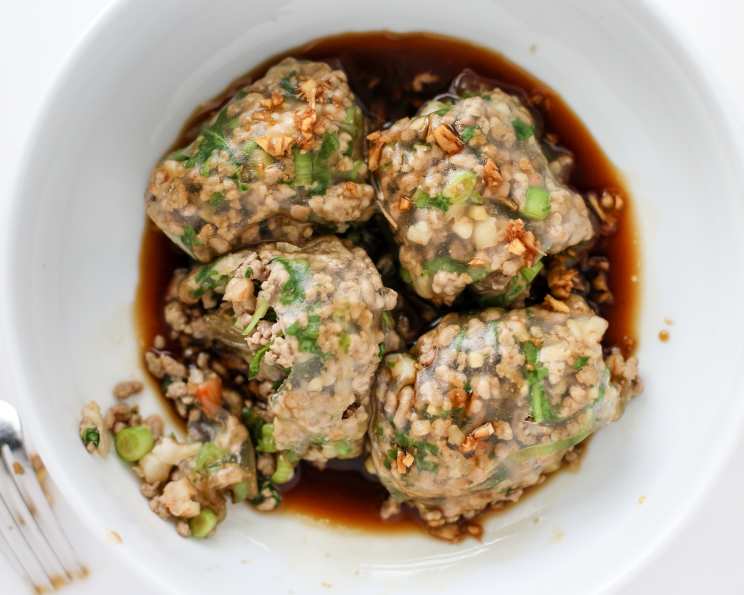
Chinese Pot Stickers: A Culinary Journey
The memory is as clear as the crisp crackle of the pot sticker’s base. My grandmother, a formidable woman with hands that could both soothe and command, stood over her well-worn wok, a symphony of sizzling sounds emanating from within. The aroma of ginger, garlic, and soy sauce filled her tiny kitchen, a comforting blanket that promised warmth and deliciousness. I remember sitting on a stool, mesmerized as she expertly pleated each pot sticker, her movements swift and precise. It wasn’t just a meal; it was a ritual, a connection to our heritage, and a lesson in the art of patience and love.
Recipe Overview
- Prep Time: 45 minutes
- Cook Time: 15 minutes
- Total Time: 1 hour
- Yields: 64 potstickers
- Dietary Type: Not specified, but easily adaptable
Ingredients
- 2 cups cabbage, finely chopped
- 1 teaspoon salt
- ½ lb shrimp, peeled, deveined, and finely chopped
- 1 lb lean pork, ground
- 2 tablespoons light soy sauce
- 2 tablespoons rice wine, sherry, or 2 tablespoons white wine
- 1 tablespoon green onion, chopped
- 1 tablespoon sesame oil
- 2 teaspoons fresh ginger, chopped
- 2 garlic cloves, minced
- 64 wonton wrappers (usually 1 package)
- ¼ cup vegetable oil
- 1 cup chicken stock
Dipping Sauce:
- 2 tablespoons light soy sauce
- 1 tablespoon rice vinegar
- 1 teaspoon fresh ginger, minced
Equipment Needed
- Large mixing bowls
- Cutting board
- Sharp knife
- Large skillets with lids
- Cookie sheet (for freezing, optional)
- Damp cloth
- Measuring cups and spoons
Instructions
-
Begin by preparing the cabbage. Place the finely chopped cabbage in a bowl and sprinkle with salt. Allow it to stand for 5 minutes. This helps to draw out excess moisture. After 5 minutes, squeeze the cabbage thoroughly to remove as much liquid as possible. Discard the liquid. This step is crucial to prevent soggy pot stickers.
-
Prepare the shrimp. If using fresh shrimp, ensure it is peeled, deveined, and finely chopped. Squeeze out any excess liquid from the chopped shrimp. This will also help in preventing a soggy filling.
-
In a large mixing bowl, combine the squeezed cabbage, shrimp, and ground pork. Add the soy sauce, rice wine (or sherry/white wine), chopped green onion, sesame oil, chopped ginger, and minced garlic. Mix all the ingredients together thoroughly until well combined. The filling can be mixed and refrigerated for up to 6 hours in advance if you prefer to prepare it ahead of time.
-
Now it’s time to assemble the pot stickers. Keep the wonton wrappers covered with a damp cloth to prevent them from drying out. Working with one wrapper at a time, place about 2 teaspoons of the filling in the center of the wrapper.
-
To seal the edges, lightly moisten them with a bit of water. This acts as a glue. Fold the wrapper over the filling, pressing out any trapped air. Ensure the edges are tightly sealed to prevent the filling from leaking out during cooking. There are many ways to fold pot stickers; a simple half-moon shape works perfectly well. For a more decorative touch, you can create small pleats along one edge as you seal it.
-
At this point, you have a few options. You can cook the pot stickers immediately, or you can freeze them for later use. To freeze, place the assembled pot stickers individually on a cookie sheet lined with parchment paper, making sure they aren’t touching each other. Freeze them until solid, then transfer them to a plastic bag or container. They will keep for about a month in the freezer. Defrost in the fridge before cooking if desired. You can also fry them directly from the freezer.
-
To cook the pot stickers, heat 1 tablespoon of vegetable oil in each of two large skillets over medium-high heat. Once the oil is hot, carefully place 16 dumplings in each skillet, ensuring they are not overcrowded. Fry the dumplings for about 1 minute, or until the bottoms are golden brown.
-
Add ¼ cup of chicken stock to each skillet. Reduce the heat to low, cover the skillets, and cook, without turning the dumplings, for about 7 minutes, or until the dumpling wrappers are translucent and most of the liquid has evaporated.
-
Remove the lids from the skillets and increase the heat to medium-high. Continue to cook the pot stickers for another 5-7 minutes, or until the bottoms are dark brown and crispy. Monitor closely to prevent burning.
-
Drain the cooked pot stickers and transfer them to a platter. Keep them warm while you cook the remaining dumplings.
-
While the pot stickers are cooking, prepare the dipping sauce by mixing the soy sauce, rice vinegar, and minced fresh ginger in a small bowl.
-
Serve the warm or hot pot stickers immediately with the dipping sauce.
Expert Tips & Tricks
- Preventing Sticking: To prevent the pot stickers from sticking to the skillet, use a non-stick skillet or ensure your skillet is well-seasoned.
- Even Cooking: Covering the skillet during the steaming process ensures that the filling cooks evenly.
- Crispy Bottoms: Achieving a crispy bottom requires patience. Don’t overcrowd the skillet and allow the pot stickers to cook undisturbed for the final 5-7 minutes.
- Flavor Enhancement: For a richer flavor, try using a combination of chicken stock and a splash of sesame oil during the steaming process.
Serving & Storage Suggestions
Serve the pot stickers immediately after cooking for the best texture and flavor. Arrange them on a platter, crispy side up, and serve with the dipping sauce.
Leftover pot stickers can be stored in an airtight container in the refrigerator for up to 3 days. To reheat, you can pan-fry them again with a little oil until heated through and crispy, or microwave them (though they will lose some of their crispness). They can also be frozen after cooking.
Nutritional Information
Note: Nutritional information is an estimate and can vary based on specific ingredients and portion sizes.
| Nutrient | Amount per Serving | % Daily Value |
|---|---|---|
| Calories | 250 kcal | 13% |
| Total Fat | 12g | 18% |
| Saturated Fat | 3g | 15% |
| Cholesterol | 40mg | 13% |
| Sodium | 400mg | 17% |
| Total Carbohydrate | 20g | 7% |
| Dietary Fiber | 1g | 4% |
| Sugars | 2g | – |
| Protein | 15g | 30% |
Variations & Substitutions
- Vegetarian Pot Stickers: Substitute the pork and shrimp with finely chopped mushrooms, tofu, and extra cabbage or bok choy.
- Gluten-Free Pot Stickers: Use gluten-free wonton wrappers.
- Spicy Pot Stickers: Add a pinch of red pepper flakes or a drizzle of chili oil to the filling.
- Different Protein: You can use ground chicken, turkey, or even finely diced beef instead of pork.
FAQs (Frequently Asked Questions)
Q: Can I make the pot stickers ahead of time?
A: Absolutely! You can assemble the pot stickers and freeze them before cooking.
Q: How do I prevent the pot stickers from sticking to the pan?
A: Use a non-stick skillet or ensure your skillet is well-seasoned and use enough oil.
Q: What if I don’t have rice wine?
A: You can substitute it with sherry or white wine. Even chicken broth works as a last resort!
Q: Can I bake the pot stickers instead of pan-frying?
A: While pan-frying is recommended for the best texture, you can bake them at 375°F (190°C) for about 15-20 minutes, or until golden brown.
Q: My pot stickers are bursting open during cooking. What am I doing wrong?
A: Make sure you are sealing the edges of the wrappers tightly and pressing out any trapped air. Also, avoid overfilling them.
Final Thoughts
So, roll up your sleeves, gather your ingredients, and embark on this delicious culinary adventure. These Chinese pot stickers are more than just a recipe; they’re a connection to tradition, a celebration of flavor, and a testament to the joy of cooking. Don’t be afraid to experiment with variations and substitutions to make them your own. And, most importantly, share them with the people you love. The clinking of chopsticks, the satisfied sighs, and the shared smiles are the true measure of a perfectly cooked pot sticker. Pair these delightful morsels with a crisp, dry Riesling or a refreshing green tea for the ultimate culinary experience. Happy cooking!