
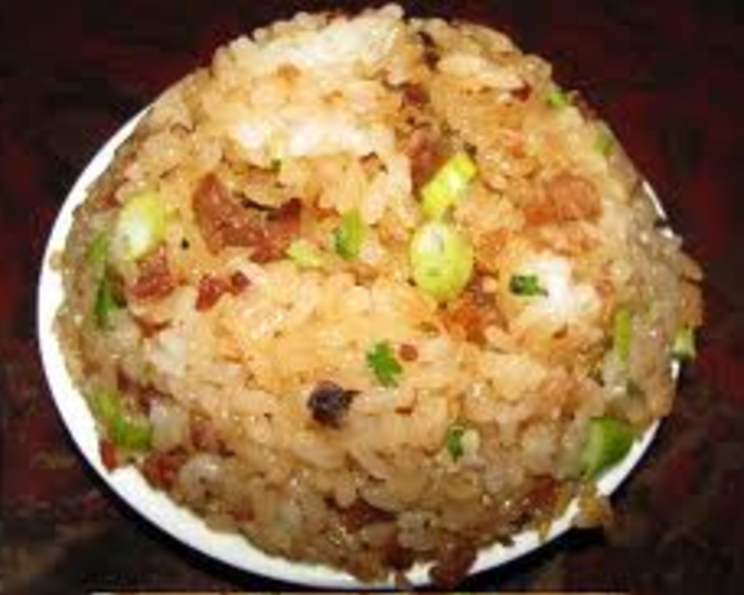
Mastering Chinese Restaurant-Style Sticky Rice at Home
My earliest memories of Chinese takeout weren’t just about the crispy egg rolls or the sweet and tangy General Tso’s chicken. It was the rice. Specifically, the sticky rice. As a child, I remember marveling at how the individual grains clung together, forming perfect, glistening clumps that were so satisfying to eat with chopsticks. Each grain seemed to carry the flavors of the savory dishes perfectly. It was a different experience than the fluffy rice we usually had at home, and I was determined to learn the secret of that perfect, sticky texture! Now, after years in the kitchen, I’m excited to share a simple method to create that same delightful stickiness in your own home.
Recipe Overview
- Prep Time: 5 minutes
- Cook Time: 20 minutes
- Total Time: 25 minutes
- Servings: 4-6
- Yield: 4-6 servings
- Dietary Type: Vegan, Gluten-Free
Ingredients
- 2 cups long grain white rice
- 3 cups water
- 1/2 teaspoon salt
Equipment Needed
- Fine-mesh strainer
- Medium saucepan with lid
Instructions
-
Begin by preparing the rice. Place the long grain white rice in a fine-mesh strainer set over a bowl. Rinse the rice under running water, swishing it with your hands until the water runs clear. This step is crucial as it removes excess starch, which can lead to gummy rice if not properly rinsed. Drain the rice thoroughly after rinsing.
-
In a medium saucepan, combine the rinsed rice, water, and salt. Bring the mixture to a boil over medium-high heat. Keep the saucepan uncovered and allow the mixture to cook until the water level drops below the surface of the rice and small holes begin to form in the rice. This usually takes about 5 minutes. Watch closely during this stage to prevent the rice from burning.
-
Once the water level has dropped and the holes have appeared, reduce the heat to low, cover the saucepan tightly with a lid, and cook until the rice is tender and the water is fully absorbed. This process usually takes about 15 minutes. It’s important to keep the heat low to prevent scorching on the bottom. Avoid lifting the lid during this time to ensure even cooking and optimal stickiness.
-
After 15 minutes, check the rice to see if it is tender and all the water has been absorbed. If the rice is still slightly firm or there is residual water, continue cooking for a few more minutes with the lid on, checking periodically until the rice reaches the desired consistency.
-
Once the rice is cooked to your liking, remove the saucepan from the heat and let it stand, covered, for up to 15 minutes. This resting period allows the steam to evenly distribute throughout the rice, resulting in a more consistent texture and enhanced stickiness. Serve immediately and enjoy!
Expert Tips & Tricks
- Rice Selection: While this recipe is designed for long grain white rice, the rinsing step is key for achieving the right texture. Other types of rice may require slightly different water ratios or cooking times, so be sure to adjust accordingly.
- Water Ratio: Getting the water ratio correct is critical for sticky rice. Too much water, and you’ll end up with mushy rice. Too little, and the rice will be undercooked and dry. Stick to the 2 cups rice to 3 cups water ratio for best results.
- No Peeking! Avoid the temptation to lift the lid during the cooking process. This releases steam and can affect the texture of the rice. Trust the process and let the rice cook undisturbed.
- Adjusting for Doneness: If, after 15 minutes of covered cooking, the rice is still too firm, add a tablespoon or two of water and continue cooking for another 2-3 minutes. If the rice seems too wet, remove the lid and cook over low heat for a few minutes to allow the excess moisture to evaporate.
- Salt is Key: Don’t skip the salt! It enhances the flavor of the rice and helps to balance the dish.
Serving & Storage Suggestions
Serve your homemade sticky rice warm as a side dish to your favorite Chinese cuisine. It pairs perfectly with stir-fries, braised meats, and vegetable dishes. For an authentic experience, serve it in small bowls and encourage your guests to use chopsticks!
Storage: Leftover sticky rice can be stored in an airtight container in the refrigerator for up to 3 days. To reheat, add a tablespoon of water to the rice and microwave it for 1-2 minutes, or steam it over low heat until warmed through. You can also add a little bit of oil when reheating to prevent it from drying out. While freezing is possible, it may slightly alter the texture of the rice, making it less sticky and more prone to clumping. If freezing, portion the rice into freezer-safe bags or containers and thaw completely before reheating.
Nutritional Information
| Nutrient | Amount per Serving | % Daily Value |
|---|---|---|
| Calories | 337.6 kcal | N/A |
| Calories from Fat | N/A | 2% |
| Total Fat | 0.6 g | 0% |
| Saturated Fat | 0.2 g | 0% |
| Cholesterol | 0 mg | 0% |
| Sodium | 300.6 mg | 12% |
| Total Carbohydrate | 74 g | 24% |
| Dietary Fiber | 1.2 g | 4% |
| Sugars | 0.1 g | 0% |
| Protein | 6.6 g | 13% |
Variations & Substitutions
- Coconut Sticky Rice: For a sweeter and richer variation, substitute one cup of the water with unsweetened coconut milk. This adds a subtle coconut flavor that complements many Asian dishes.
- Jasmine Rice: While long grain white rice is the standard for this recipe, you can also use jasmine rice for a fragrant and slightly sweeter sticky rice. Be sure to rinse the jasmine rice thoroughly before cooking.
- Flavor Infusions: Add a bay leaf, a star anise, or a small piece of ginger to the rice while it cooks for an aromatic twist. Remember to remove these flavorings before serving.
FAQs (Frequently Asked Questions)
Q: Why is it important to rinse the rice before cooking?
A: Rinsing removes excess starch from the surface of the rice grains. This helps to prevent the rice from becoming gummy and allows it to cook more evenly, resulting in a better texture.
Q: Can I use a rice cooker for this recipe?
A: Yes, you can. Follow the same rinsing procedure, then combine the rice, water, and salt in your rice cooker. Cook according to the manufacturer’s instructions for white rice.
Q: How can I tell if the rice is cooked properly?
A: The rice is done when it is tender, and all the water has been absorbed. You should be able to easily fluff the rice with a fork. If there is still water in the pot, continue cooking for a few more minutes.
Q: What if my rice burns on the bottom of the pan?
A: If you smell burning, immediately remove the pan from the heat. Do not stir the rice. Place a cold, damp towel under the pan for a few minutes to help stop the cooking process. The top layer of rice may still be salvageable.
Q: Can I make this recipe ahead of time?
A: While it’s best served fresh, you can cook the rice ahead of time and reheat it later. Store the cooked rice in an airtight container in the refrigerator. When reheating, add a tablespoon of water to help restore its moisture and texture.
Final Thoughts
Making perfect Chinese restaurant-style sticky rice at home is easier than you might think! This simple recipe, using just a few basic ingredients and techniques, will transform ordinary rice into a delightful and versatile side dish. Don’t be afraid to experiment with variations, adding your own personal touch to create unique flavor combinations. So, grab your saucepan, rinse that rice, and get ready to enjoy a taste of authentic Asian cuisine right in your own kitchen. I encourage you to try this recipe and share your feedback. Pair it with your favorite stir-fry or a flavorful braised dish for a complete and satisfying meal!