
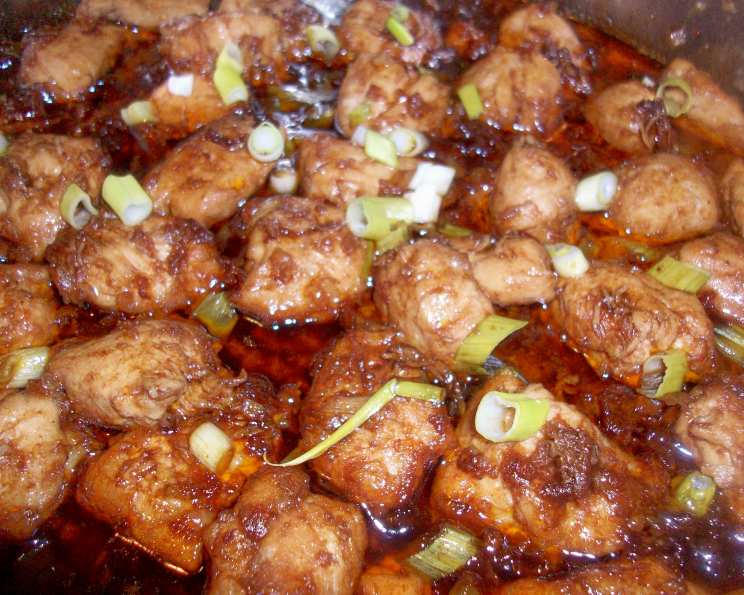
Kung Pao Chicken: A Take-Out Favorite Made at Home
My earliest memories of Kung Pao Chicken are tied to Friday nights. The crinkled brown paper bag, glistening with oil, would arrive, filling our small apartment with that unmistakable aroma – a blend of chili heat, savory soy, and roasted peanuts. It was more than just dinner; it was a celebration, a break from the routine, and a taste of something exciting and exotic. The way those peanuts crunched between your teeth as the chili heat bloomed was a perfect symphony of sensations. Today, I bring that same joy to your kitchen with this classic recipe.
Recipe Overview
- Prep Time: 30 minutes
- Cook Time: 15 minutes
- Total Time: 45 minutes
- Servings: 4
- Yield: Approximately 6 cups
- Dietary Type: Not Gluten-Free
Ingredients
-
For the Chicken Marinade:
- 1 egg white, beaten
- 4 tablespoons soy sauce
- 1 tablespoon cornstarch
- 1 teaspoon rice wine
- 4 boneless skinless chicken breasts, cut into bite-sized pieces
-
For the Sauce:
- 2 tablespoons rice wine
- 3 tablespoons rice vinegar
- 2 tablespoons sugar
- 2 tablespoons hoisin sauce
- 2 teaspoons sesame oil
-
For Cooking:
- 1/3 cup peanut oil (or vegetable oil)
- 1 cup peanuts, preferably boiled and unsalted
- 5 dried hot red chiles (to taste)
- 2 garlic cloves, minced
- 4 green onions, sliced
- 3 slices fresh ginger, quarter-sized pieces, peeled and minced
- White rice, for serving
Equipment Needed
- Large bowl
- Small bowl
- Wok or large skillet
- Heatproof plate
Instructions
-
Marinate the Chicken: In a large bowl, whisk together the beaten egg white, 1 tablespoon soy sauce, cornstarch, and 1 teaspoon rice wine. Add the bite-sized chicken pieces to the bowl and stir to ensure each piece is well coated in the marinade. Cover the bowl and refrigerate for approximately 30 minutes. This process helps to tenderize the chicken and allows the flavors to penetrate.
-
Prepare the Sauce: While the chicken is marinating, prepare the sauce. In a separate small bowl, combine the remaining 3 tablespoons soy sauce, 2 tablespoons rice wine, rice vinegar, sugar, hoisin sauce, and sesame oil. Whisk all the ingredients together until the sugar is dissolved and set aside. This pre-mixed sauce will allow for quick and even flavor distribution during the cooking process.
-
Toast the Peanuts: Heat the peanut oil (or vegetable oil) in a wok or large skillet over high heat until it’s hot and barely smoking. Carefully add the peanuts to the hot oil and toss them continuously for about 2 minutes, or until they begin to brown. Watch them closely as they can burn quickly. Remove the toasted peanuts from the oil with a slotted spoon and transfer them to a heatproof plate. Set aside for later.
-
Cook the Chicken: Add the marinated chicken to the hot oil in the wok. Toss the chicken continuously, cooking it until it is slightly browned on the outside, but not fully cooked through, about 2 minutes. Remove the chicken from the wok with a slotted spoon and add it to the plate with the toasted peanuts. Don’t worry about the brown bits left in the wok – these will add depth and complexity to the final sauce. Just ensure that these bits do not burn during subsequent cooking.
-
Infuse the Aromatics: Add the dried hot red chiles to the wok and cook them until they turn almost black, about 1 minute. Be careful not to inhale the fumes, as they can be quite strong. Add the minced garlic, sliced green onions, and minced ginger to the wok along with the peanuts and chicken.
-
Combine and Simmer: Pour the prepared sauce over the ingredients in the wok. Toss everything together to incorporate the sauce and ensure all ingredients are evenly coated. Continue to cook, stirring constantly, until the sauce thickens slightly and everything is heated through, about 2-3 minutes.
-
Serve: Serve the Kung Pao Chicken immediately over freshly cooked white rice.
Expert Tips & Tricks
- Spice Level: Adjust the number of dried red chiles according to your spice preference. For a milder dish, remove the seeds from the chiles before adding them to the wok. For extra heat, add a pinch of Sichuan peppercorns along with the chiles.
- Chicken Texture: Marinating the chicken is crucial for achieving a tender and juicy texture. Don’t skip this step!
- Wok Hei: The key to authentic wok cooking is achieving wok hei, a smoky flavor imparted by cooking over high heat in a wok. Ensure your wok is screaming hot before adding the ingredients.
- Sauce Consistency: If the sauce is too thin, you can thicken it by adding a slurry of cornstarch and water (1 teaspoon cornstarch mixed with 2 teaspoons water) at the end of the cooking process.
Serving & Storage Suggestions
Serve Kung Pao Chicken immediately over white rice for the best taste and texture. Garnish with extra green onions for a pop of color.
Leftovers can be stored in an airtight container in the refrigerator for up to 3 days. Reheat in a wok or skillet over medium heat, adding a splash of water if needed to prevent the chicken from drying out. The chicken and sauce can also be frozen in an airtight container for up to 2 months. Thaw overnight in the refrigerator before reheating.
Nutritional Information
| Nutrient | Amount per Serving | % Daily Value |
|---|---|---|
| Calories | 600 kcal | 30% |
| Total Fat | 40g | 62% |
| Saturated Fat | 6g | 30% |
| Cholesterol | 69mg | 23% |
| Sodium | 1235mg | 52% |
| Total Carbohydrate | 21g | 7% |
| Dietary Fiber | 4g | 16% |
| Sugars | 11g | N/A |
| Protein | 40g | 80% |
Variations & Substitutions
- Cashew Chicken: Substitute the peanuts with cashews for a different nutty flavor.
- Vegetarian Kung Pao: Replace the chicken with firm tofu or tempeh, cut into bite-sized pieces. You can also add extra vegetables like bell peppers, broccoli, and zucchini.
- Gluten-Free: Use tamari instead of soy sauce to make the dish gluten-free.
- Pork or Shrimp: Swap the chicken with thinly sliced pork or shrimp for a different protein.
FAQs (Frequently Asked Questions):
Q: Can I use pre-cooked chicken for this recipe?
A: Yes, you can use pre-cooked chicken, but be sure to add it at the very end of the cooking process, just to heat it through, to prevent it from drying out.
Q: What is rice wine and where can I find it?
A: Rice wine is a sweet, slightly tangy wine used in many Asian cuisines. You can find it at most Asian grocery stores or in the international aisle of well-stocked supermarkets. If unavailable, dry sherry can be used as a substitute.
Q: How spicy is this recipe?
A: The spiciness of this recipe can be adjusted to your preference. Use more or fewer dried red chiles to control the heat.
Q: Can I make this ahead of time?
A: The sauce can be made ahead of time and stored in the refrigerator for up to 3 days. However, it’s best to cook the chicken and vegetables fresh for optimal flavor and texture.
Q: What other vegetables can I add to this dish?
A: You can add a variety of vegetables to this dish, such as bell peppers, water chestnuts, broccoli, zucchini, and carrots. Add them to the wok along with the garlic, ginger, and green onions.
Final Thoughts
Kung Pao Chicken is more than just a dish; it’s an experience. The interplay of sweet, sour, spicy, and savory flavors, combined with the satisfying crunch of peanuts, makes it a culinary adventure. I hope this recipe inspires you to recreate that magic in your own kitchen. Don’t be afraid to experiment with variations and find what suits your taste buds best. And please, share your creations and feedback – I’d love to see how you make this classic your own! Pair this with a refreshing glass of iced green tea for a truly authentic experience.