
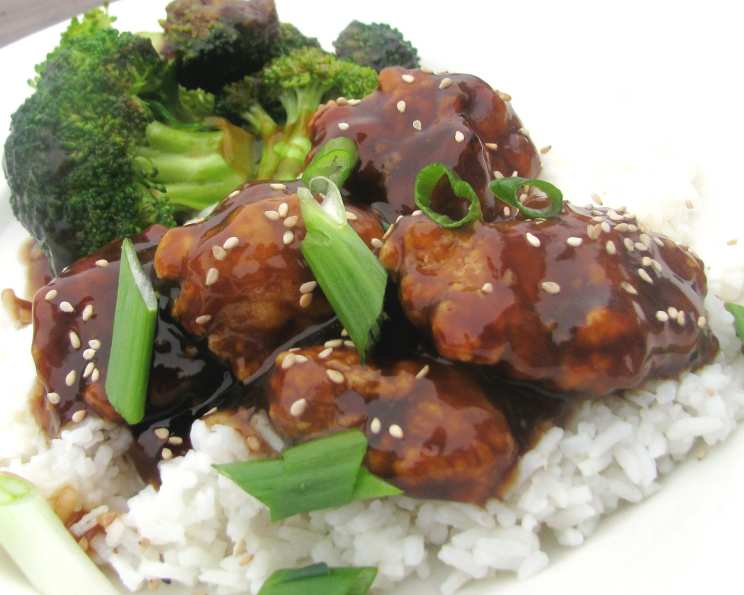
Orange Chicken: A Culinary Adventure at Home
Some of my earliest and fondest memories involve the vibrant flavors of Chinese takeout enjoyed with my family around our old, wooden dining table. The aroma of sweet and tangy sauces mingled with the crispy, golden-brown chicken was intoxicating. There was always a race for the last piece, and the savory satisfaction that followed was pure bliss. Recreating that experience at home, with the ability to control every ingredient and tailor the flavors to my liking, has become a true passion.
Recipe Overview
- Prep Time: 2 hours (includes marinade and refrigeration time)
- Cook Time: 15-20 minutes
- Total Time: 2 hours 20 minutes
- Servings: 4-6
- Yield: Variable, depending on chicken size
- Dietary Type: Not specified
Ingredients
For the Chicken:
- 1 1/2 lbs boneless, skinless chicken breasts, cubed into 1-inch pieces
- 1 cup cornstarch
- 2 tablespoons cornstarch
- 2 tablespoons cold water
- 2 eggs, lightly beaten
- 1 cup vegetable oil, for frying
- Sesame seeds (optional, for garnish)
- 1-2 scallions, sliced (optional, for garnish)
For the Marinade:
- 1 cup chicken broth
- 1/2 cup freshly squeezed orange juice
- 1/2 cup granulated sugar
- 1/3 cup white vinegar
- 1/4 cup soy sauce
- 2-3 garlic cloves, minced
- 1 tablespoon orange zest
- 1 teaspoon Thai hot sauce (Sriracha, to taste)
- 1/4 teaspoon ground ginger
- 1/4 teaspoon white pepper
Equipment Needed
- Large zip-lock baggie
- Glass dish
- Bowl
- Pie pan
- Deep, heavy-bottom skillet or wok
- Saucepan
- Wire rack
- Sheet pan
- Metal slotted spoon or spider
- Paper towels
Instructions
-
Prepare the Marinade: In a bowl, thoroughly mix together all the marinade ingredients: chicken broth, orange juice, granulated sugar, white vinegar, soy sauce, minced garlic, orange zest, Thai hot sauce, ground ginger, and white pepper.
-
Marinate the Chicken: Place the cubed chicken pieces into a large zip-lock baggie. Add 1/2 cup of the marinade to the baggie, seal it, and reserve the remaining marinade. Toss the chicken to thoroughly coat it with the marinade. Place the baggie into a glass dish and refrigerate for 1 hour, tossing again after 30 minutes to ensure even marination.
-
Prepare for Frying: While the chicken marinates, prepare the other components. Place the beaten eggs in a bowl. Pour the 1 cup of cornstarch into a pie pan for easy dredging. Pour the 1 cup of vegetable oil into a deep, heavy-bottom skillet. Place the reserved, unused marinade into a saucepan.
-
Coat the Chicken: Remove the chicken pieces from the marinade and place them on a plate, discarding the used marinade from the baggie.
-
Egg Wash and Cornstarch Dredge: Dip each chicken piece into the beaten egg, ensuring it’s fully coated. Then, dredge it through the cornstarch in the pie pan, gently pressing the pieces to make sure they are completely coated.
-
Refrigerate Coated Chicken: Place the dredged chicken pieces on a wire rack set over a sheet pan. Refrigerate for 1 hour to allow the coating to set properly. This step is crucial for achieving a crispy texture.
-
Prepare the Orange Sauce: After 1 hour, remove the chicken from the refrigerator. Heat the remaining marinade in the saucepan over medium heat, bringing it to a boil while stirring occasionally.
-
Thicken the Sauce: In a small bowl, combine the 2 tablespoons of cornstarch with 2 tablespoons of cold water to create a slurry. While continuously stirring the boiling marinade, slowly add the cornstarch slurry until the sauce reaches your desired thickness (you might not need all of the slurry). Boil for 1-2 minutes to cook out the cornstarch taste and ensure the sauce is smooth and glossy. Remove the sauce from the heat.
-
Heat the Frying Oil: Heat the vegetable oil in the deep, heavy-bottom skillet or wok over medium-high heat. The oil is hot enough when a pinch of cornstarch is sprinkled in and it bubbles vigorously. If you have a thermometer, aim for around 350°F (175°C).
-
Fry the Chicken: Working in batches, carefully add a small portion of the chicken pieces to the hot oil. Gently roll the chicken pieces in the oil for about 2 minutes, or until they are cooked through and golden brown. Be careful not to overcrowd the pan, as this will lower the oil temperature and result in greasy rather than crispy chicken.
-
Drain and Repeat: Remove the fried chicken pieces using a metal slotted spoon or a spider and place them on a plate lined with paper towels to drain excess oil. Allow the oil temperature to return to the desired level before beginning another batch.
-
Combine Chicken and Sauce: Once all the chicken pieces are fried and thoroughly drained, toss them into the pan with the heated orange sauce, ensuring each piece is evenly coated.
-
Serve Immediately: Serve the orange chicken immediately over white rice. Garnish with sesame seeds and sliced scallions (if using) for an extra touch of flavor and visual appeal.
Expert Tips & Tricks
- For extra crispy chicken, double-fry it. After the first fry, let the chicken cool slightly, then fry it again for a minute or two before tossing it in the sauce.
- Adjust the amount of Sriracha to control the spiciness of the dish. Start with a smaller amount and add more to taste.
- If the orange sauce becomes too thick, add a splash of chicken broth or orange juice to thin it out.
- Use a wok for authentic Chinese flavor and even heat distribution.
- Make sure to use fresh orange juice and zest for the best flavor. Bottled juice simply won’t have the same vibrancy.
Serving & Storage Suggestions
Serve your homemade orange chicken immediately over a bed of fluffy white rice. A side of steamed broccoli or stir-fried vegetables complements the dish perfectly.
Leftovers can be stored in an airtight container in the refrigerator for up to 3 days. To reheat, you can use a microwave, but the chicken will lose some of its crispness. For best results, reheat in a preheated oven at 350°F (175°C) until warmed through, or in a skillet over medium heat, stirring occasionally. Reheating in the oven helps to retain some of the crispiness. It is not recommended to leave orange chicken at room temperature for longer than 2 hours. Freezing is possible, but the texture of the chicken may change upon thawing.
Nutritional Information
| Nutrient | Amount per Serving | % Daily Value |
|---|---|---|
| Calories | 988.9 kcal | N/A |
| Calories from Fat | 555 g | 56% |
| Total Fat | 61.8 g | 95% |
| Saturated Fat | 8.9 g | 44% |
| Cholesterol | 202 mg | 67% |
| Sodium | 1461.5 mg | 60% |
| Total Carbohydrate | 63.8 g | 21% |
| Dietary Fiber | 0.8 g | 3% |
| Sugars | 28.2 g | 112% |
| Protein | 42.9 g | 85% |
Note: Nutritional information is an estimate and may vary based on specific ingredients and portion sizes.
Variations & Substitutions
- Gluten-Free: Use tamari instead of soy sauce for a gluten-free option. You can also use gluten-free cornstarch to coat the chicken.
- Spicier: Add more Sriracha or a pinch of red pepper flakes to the marinade and sauce for a spicier kick.
- Sweeter: Increase the amount of sugar in the marinade for a sweeter sauce. Honey or maple syrup can also be used as substitutes.
- Chicken Alternatives: Try this recipe with tofu or shrimp for a vegetarian or seafood alternative.
- Vegetables: Incorporate stir-fried vegetables like bell peppers, onions, and broccoli into the dish for added nutrients and flavor.
FAQs (Frequently Asked Questions)
Q: Can I use pre-cut chicken instead of cutting it myself?
A: Yes, you can use pre-cut chicken, but ensure the pieces are of uniform size for even cooking.
Q: How do I prevent the chicken from becoming soggy after adding the sauce?
A: Ensure the chicken is thoroughly drained of excess oil after frying and toss it with the sauce just before serving.
Q: Can I make the orange sauce ahead of time?
A: Yes, you can prepare the orange sauce a day in advance and store it in the refrigerator. Reheat before tossing with the chicken.
Q: What if I don’t have orange zest?
A: While orange zest adds a bright citrus flavor, you can omit it if necessary or substitute it with a few drops of orange extract.
Q: How do I know when the chicken is fully cooked?
A: The chicken is cooked when it reaches an internal temperature of 165°F (74°C) and the juices run clear when pierced with a fork.
Final Thoughts
Now, it’s your turn to embark on this culinary adventure and bring the vibrant flavors of orange chicken into your own kitchen. This recipe is more than just a set of instructions; it’s an invitation to create memories and share delicious moments with loved ones. Don’t hesitate to experiment with variations, adjust the flavors to your liking, and make this dish your own. I encourage you to try this recipe and discover the joy of homemade Chinese takeout. Bon appétit!