
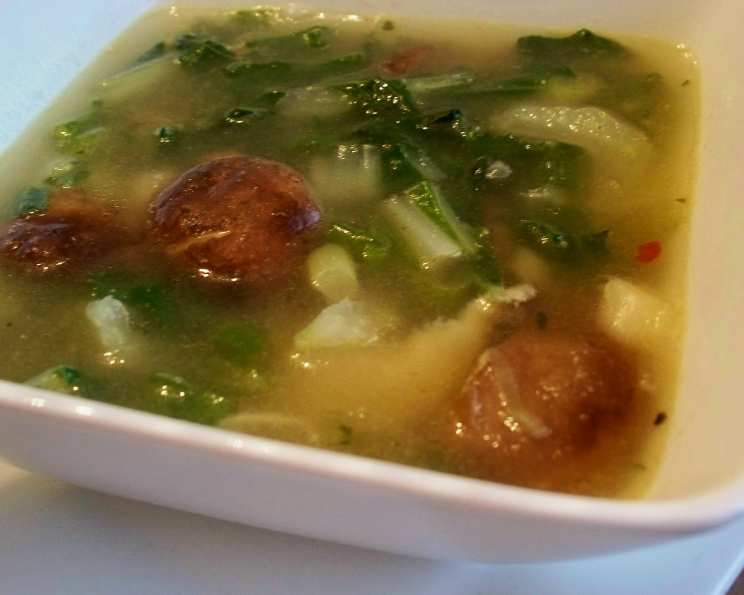
Ch’ing Ts’ai Ma Ku T’ang: A Taste of Simple Elegance
My grandmother, a woman of few words but immense wisdom, often prepared this soup on chilly evenings. I remember sitting at her small kitchen table, the aroma of earthy mushrooms and fresh greens filling the air. It wasn’t just a meal; it was a comforting ritual, a reminder of simple pleasures and the power of wholesome ingredients to nourish both body and soul. The delicate flavors always seemed to whisper stories of resilience and finding beauty in the everyday.
Recipe Overview
- Prep Time: 5 minutes
- Cook Time: 7 minutes
- Total Time: 12 minutes
- Servings: 4
- Dietary Type: Vegetarian (easily adaptable to vegan)
Ingredients
- 1 tablespoon peanut oil
- 1 cup sliced fresh mushrooms
- 2 cups bok choy, cut in 1 inch chunks
- 3 cups water
- Salt, to taste
Optional Additions:
- Mustard greens, watercress, or lettuce (instead of bok choy)
- 10-12 pieces of wheat gluten
- 2 ounces cellophane noodles, soaked
Equipment Needed
- Cook and serve pot or medium saucepan
Instructions
- Heat a cook and serve pot over medium-high heat until hot.
- Add the peanut oil to the hot pot.
- Add the sliced fresh mushrooms and stir-fry until the mushrooms begin to soften. This usually takes about 2-3 minutes.
- Add the bok choy (cut into 1-inch chunks) to the pot and continue to stir-fry for another 2 minutes, ensuring the bok choy starts to wilt slightly.
- Pour in the water and bring the mixture to a boil.
- Once boiling, reduce the heat slightly and cook the soup, uncovered, for 2 to 3 minutes, or until the bok choy is tender and cooked to your liking.
- Season the soup with salt to taste.
- Serve immediately.
Expert Tips & Tricks
- Mushroom Sautéing: Don’t overcrowd the pot when sautéing the mushrooms. Overcrowding lowers the pan temperature and causes the mushrooms to steam instead of brown, resulting in a less intense flavor. Sauté them in batches if necessary.
- Bok Choy Prep: Ensure the bok choy is thoroughly washed to remove any grit. Separate the stalks and leaves for even cooking. The stalks take slightly longer to cook, so add them to the pot a bit before the leaves.
- Salt Timing: Add salt gradually, tasting as you go. Different types of salt have varying intensities, so adjust accordingly.
- Broth Enhancement: For a richer flavor, consider using vegetable broth instead of water. You can also add a splash of soy sauce or a few drops of sesame oil for added depth.
- Tofu Boost: Add cubed firm or silken tofu for added protein. If using firm tofu, press out excess water before adding it to the soup for improved texture. Silken tofu can be added towards the end of the cooking process.
- Spice it up: Add a pinch of red pepper flakes or a drizzle of chili oil for a touch of heat.
Serving & Storage Suggestions
Serve the Ch’ing Ts’ai Ma Ku T’ang hot, garnished with a sprinkle of freshly chopped scallions or cilantro for a pop of color and freshness. This soup pairs beautifully with steamed rice or noodles for a more substantial meal.
Leftovers can be stored in an airtight container in the refrigerator for up to 3 days. Reheat gently on the stovetop over medium heat until heated through. Avoid boiling the soup during reheating, as this can overcook the vegetables and affect the flavor.
This soup is best enjoyed fresh, but you can freeze it for longer storage (up to 1 month). Be aware that the texture of the bok choy may change slightly upon thawing.
Nutritional Information
Note: Nutritional information is an estimate and may vary based on specific ingredients and portion sizes.
| Nutrient | Amount per Serving | % Daily Value |
|---|---|---|
| Calories | 40 kcal | 2% |
| Total Fat | 3.5g | 4% |
| Saturated Fat | 0.5g | 3% |
| Cholesterol | 0mg | 0% |
| Sodium | 30mg | 1% |
| Total Carbohydrate | 2g | 1% |
| Dietary Fiber | 1g | 4% |
| Sugars | 1g | 0% |
| Protein | 1g | 2% |
Variations & Substitutions
- Vegan Variation: This soup is already naturally vegetarian. To ensure it is vegan, simply confirm that the peanut oil you are using is plant-based. The recipe doesn’t include any animal products.
- Gluten-Free: Ensure you use a gluten-free soy sauce if adding it for flavor enhancement. The base recipe is naturally gluten-free.
- Seasonal Greens: Feel free to swap out the bok choy for other seasonal greens like spinach, kale, or gai lan (Chinese broccoli). Adjust cooking times accordingly, as some greens cook faster than others.
- Protein Boost: Add sliced tofu, tempeh, or edamame for a protein-rich variation.
- Spice Level: Adjust the amount of chili flakes or chili oil to suit your spice preference.
- Hearty Soup: For a more substantial soup, add cooked rice or quinoa to the pot.
- Herb Infusion: Experiment with different herbs like ginger, garlic, or cilantro to customize the flavor profile.
- Mushroom Medley: Use a mix of different mushroom varieties like shiitake, oyster, or cremini for a more complex flavor.
FAQs (Frequently Asked Questions)
Q: Can I use dried mushrooms instead of fresh ones?
A: Yes, you can substitute dried mushrooms for fresh. Rehydrate the dried mushrooms in warm water for about 20-30 minutes before adding them to the soup. Remember to strain the soaking liquid and add it to the soup for extra flavor.
Q: Can I make this soup ahead of time?
A: Yes, you can make this soup a day or two in advance. Store it in an airtight container in the refrigerator and reheat it gently on the stovetop before serving.
Q: Can I add meat to this soup?
A: While this is traditionally a vegetarian soup, you can certainly add cooked chicken, pork, or shrimp for a heartier meal. Add the cooked meat towards the end of the cooking process to prevent it from becoming dry.
Q: How do I prevent the bok choy from becoming overcooked?
A: Add the bok choy towards the end of the cooking process and cook it just until it is tender-crisp. Overcooking can make it mushy and diminish its flavor.
Q: Is peanut oil essential for this recipe?
A: Peanut oil is traditionally used and adds a distinct flavor, but you can substitute it with other vegetable oils like canola or sunflower oil if you have allergies or prefer a different flavor profile.
Final Thoughts
Ch’ing Ts’ai Ma Ku T’ang is more than just a simple soup; it’s a testament to the beauty of fresh ingredients and the power of mindful cooking. I encourage you to try this recipe and experience the comforting flavors for yourself. Don’t be afraid to experiment with variations and substitutions to create a soup that truly reflects your personal taste. Share your creations with friends and family, and let the warmth of this dish bring people together. Your feedback is always welcome, and I hope this recipe becomes a cherished part of your culinary repertoire!