
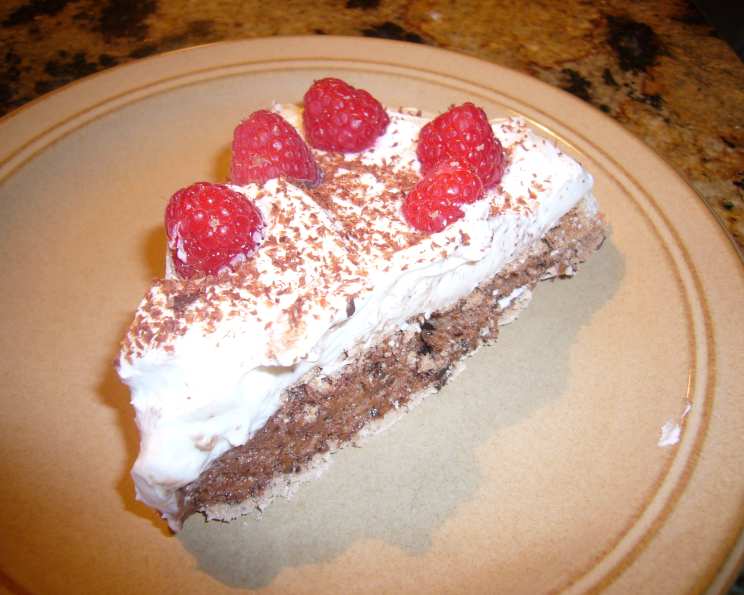
Chocolate Pavlova With Raspberries and Cream
The memory is etched in my mind: a sun-drenched afternoon, the scent of summer raspberries hanging heavy in the air, and my grandmother, her hands dusted with flour, carefully sliding a delicate cloud of meringue into the oven. We’d sit, noses pressed against the glass, watching its slow transformation, a ritual that always culminated in the most exquisite chocolate pavlova, piled high with ruby-red raspberries and a generous dollop of freshly whipped cream. It wasn’t just dessert; it was a tangible expression of love, a sweet testament to the simple joys of life.
Recipe Overview
- Prep Time: 20 minutes
- Cook Time: 1 hour
- Total Time: 1 hour 20 minutes
- Servings: 8-10
- Yield: 1 pavlova
- Dietary Type: Gluten-Free
Ingredients
- 6 egg whites
- 1 1⁄2 cups sugar
- 1 teaspoon red wine vinegar
- 3 tablespoons unsweetened cocoa powder, sifted
- 2 ounces semisweet chocolate, finely chopped
- Whipped cream
- Fresh raspberries
- Grated chocolate
Equipment Needed
- Baking sheet
- Parchment paper
- Pencil
- Large bowl
- Electric mixer
- Spatula
- Large plate
Instructions
- Preheat your oven to 350 degrees Fahrenheit (175 degrees Celsius).
- Prepare a baking sheet by lining it with parchment paper. On the parchment paper, draw a 9-inch circle with a pencil. Flip the paper over so that the pencil marks don’t touch the meringue, preventing any lead transfer.
- In a large bowl, using an electric mixer on high speed, beat the egg whites until satiny peaks form. This may take a few minutes, so be patient. You’re looking for a glossy, stable meringue.
- Gradually beat in the sugar, a spoonful at a time, until the meringue is stiff and shiny. This step is crucial for creating a stable pavlova. Ensure each spoonful of sugar is fully incorporated before adding the next.
- Sprinkle the red wine vinegar, sifted cocoa powder, and finely chopped chocolate over the meringue.
- Gently fold everything together until the cocoa is just mixed in. Be careful not to overmix, as this can deflate the meringue. You want to maintain as much air as possible.
- Mound the meringue onto the parchment paper within the drawn circle, smoothing the top with a spatula. Aim for a slightly rustic, uneven appearance, as this adds to the pavlova’s charm.
- Place the baking sheet in the preheated oven. Immediately turn the oven temperature down to 300 degrees Fahrenheit (150 degrees Celsius) and bake for about 1 hour.
- The pavlova should look dry and crisp on top but still slightly gooey inside. This is the key to its delightful texture.
- Turn off the oven and open the door slightly, allowing the pavlova to cool completely in the oven. This slow cooling process is essential for preventing cracks and ensuring a stable structure. Leaving it in the oven overnight is ideal.
- When you’re ready to serve, invert the meringue onto a large plate. Gently peel off the parchment paper.
- Top generously with whipped cream, fresh raspberries, and grated chocolate. The contrast of textures and flavors is what makes this dessert so special.
Expert Tips & Tricks
- Egg White Perfection: Ensure your egg whites are at room temperature and free from any traces of yolk. Even a tiny amount of yolk can prevent the whites from whipping up properly. Use a clean, dry bowl and whisk for the best results.
- Sugar Incorporation: Be patient when adding the sugar. Adding it gradually and ensuring each spoonful is fully dissolved will create a stable and glossy meringue.
- Don’t Overmix: When folding in the cocoa and chocolate, be gentle. Overmixing will deflate the meringue and result in a dense, less airy pavlova.
- Cracking is Okay: Don’t worry if your pavlova cracks during baking or cooling. This is perfectly normal and adds to its rustic charm. The cracks will be covered by the cream and berries anyway!
- Make-Ahead Marvel: The meringue base can be made a day or two in advance and stored in an airtight container at room temperature. Just be sure to assemble it with the cream and berries just before serving to prevent the meringue from becoming soggy.
Serving & Storage Suggestions
Serve the chocolate pavlova immediately after assembling with whipped cream, raspberries, and grated chocolate. The contrast of the crisp meringue, soft cream, and juicy berries is best enjoyed fresh.
Leftover pavlova can be stored in the refrigerator, but the meringue will soften over time due to the moisture from the cream and berries. It’s best to store any leftover meringue base separately in an airtight container at room temperature. Refrigerated pavlova is best consumed within 24 hours. Freezing is not recommended, as it will significantly alter the texture of the meringue.
Nutritional Information
| Nutrient | Amount per Serving | % Daily Value |
|---|---|---|
| Calories | 198 kcal | – |
| Calories from Fat | 36 kcal | – |
| Total Fat | 4 g | 6% |
| Saturated Fat | 2.5 g | 12% |
| Cholesterol | 0 mg | 0% |
| Sodium | 43.2 mg | 1% |
| Total Carbohydrate | 40.9 g | 13% |
| Dietary Fiber | 1.9 g | 7% |
| Sugars | 37.7 g | – |
| Protein | 4 g | 8% |
Note: Nutritional information is an estimate and may vary based on specific ingredients and portion sizes.
Variations & Substitutions
- Berry Bonanza: Feel free to substitute raspberries with other berries like strawberries, blueberries, or blackberries. A mix of berries creates a visually stunning and flavorful pavlova.
- Citrus Zest: Add a teaspoon of orange or lemon zest to the meringue for a bright, citrusy twist.
- Nutty Delight: Sprinkle chopped toasted nuts like almonds, pecans, or hazelnuts over the whipped cream for added texture and flavor.
- Chocolate Variations: Use dark chocolate instead of semisweet for a richer, more intense chocolate flavor. You can also drizzle melted white chocolate over the assembled pavlova for a beautiful contrast.
- Meringue Flavoring: Add a teaspoon of vanilla extract or almond extract to the meringue for extra flavor.
- Vegan Pavlova: This can be adapted by using aquafaba (the liquid from canned chickpeas) as an egg white substitute. The results will vary slightly.
FAQs (Frequently Asked Questions)
Q: Why is my meringue cracking?
A: Cracking is normal and doesn’t affect the taste. It usually happens due to rapid temperature changes or slight imperfections in the meringue structure.
Q: My pavlova is sticky and not crisp. What did I do wrong?
A: This usually indicates that the oven temperature was too high or the pavlova wasn’t baked long enough. Ensure your oven is properly calibrated and allow the pavlova to cool completely in the oven after baking.
Q: Can I use a stand mixer instead of a hand mixer?
A: Yes, a stand mixer works perfectly well for making meringue. Use the whisk attachment and follow the same steps as with a hand mixer.
Q: Can I make individual pavlovas instead of one large one?
A: Absolutely! Simply pipe or spoon smaller rounds of meringue onto the parchment-lined baking sheet and adjust the baking time accordingly (they will bake faster).
Q: Can I add coffee to the meringue?
A: Yes, dissolve a teaspoon of instant coffee in a teaspoon of hot water and fold it into the meringue along with the cocoa powder for a mocha-flavored pavlova.
Final Thoughts
I urge you to try this chocolate pavlova recipe – it’s a dessert that’s sure to impress, but more importantly, it’s a delightful experience to create and share. Don’t be intimidated by the meringue; with a little patience and attention to detail, you’ll be rewarded with a truly stunning and delicious dessert. Perhaps pair it with a glass of dessert wine or a cup of freshly brewed coffee. I can’t wait to hear about your pavlova adventures! Share your creations, feedback, and any variations you try. Happy baking!