
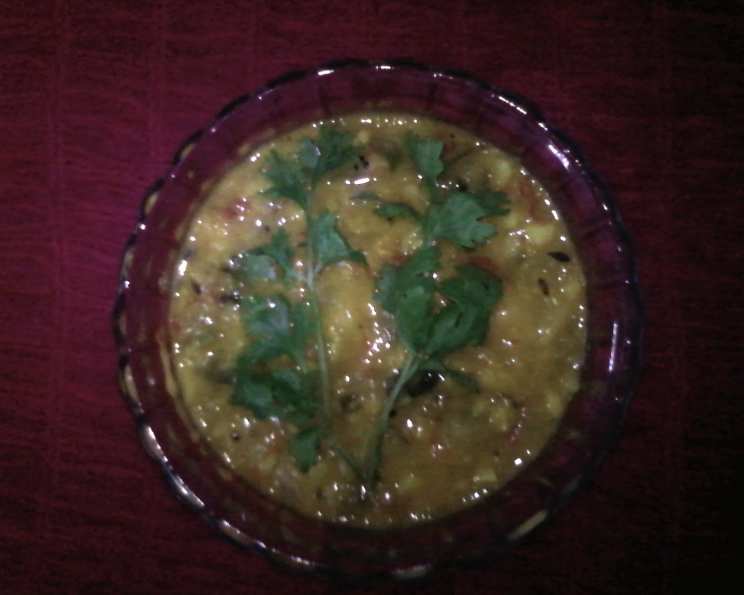
Chow-Chow (Chayote) Sabzi: A Humble Delight
My grandmother’s kitchen always smelled of something earthy and comforting. While elaborate dishes graced festival tables, it was the simple, everyday sabzis that truly filled my heart. I can still picture her, a whirlwind of gentle efficiency, coaxing flavor from the most unassuming vegetables. This Chow-Chow (Chayote) Sabzi is a direct echo of those memories – a dish that proves even the most humble ingredients can create a deeply satisfying meal.
Recipe Overview
- Prep Time: 15 minutes
- Cook Time: 35 minutes
- Total Time: 50 minutes
- Servings: 3
- Yield: 1 1/2 cups
- Dietary Type: Vegetarian, Gluten-Free
Ingredients
- 1/2 cup green gram (moong dal)
- 1 chayote, peeled and cut into cubes (chow-chow)
- 1 big tomato, cut finely
- 3 green chili peppers, cut finely
- 7-8 garlic cloves, cut finely
- 1/4 teaspoon turmeric
- 1/2 teaspoon salt
- 1/4 teaspoon ground mustard
- 1/4 teaspoon ground cumin
- 2 sprigs curry leaves
- 1/4 cup fresh cilantro, for garnishing
- 1 cup water
- 2 tablespoons vegetable oil
Equipment Needed
- Pressure cooker
- Deep curved pan or wok
Instructions
-
Begin by prepping your ingredients. Peel the chayote, remove the pit, and cut the flesh into uniform cubes. Finely chop the tomato, green chilies, and garlic. Having everything ready will make the cooking process smoother.
-
In a pressure cooker, combine the moong dal, cubed chayote, chopped tomato, turmeric, salt, and water. Ensure the lid is properly sealed and cook for 4-5 whistles over medium heat. Once the pressure cooker has reached the required whistles, remove it from the heat and allow it to sit undisturbed for 5 minutes to allow the pressure to release naturally. This prevents the dal from scorching and ensures the vegetables cook evenly.
-
While the pressure is releasing, prepare the tempering. Heat vegetable oil in a deep curved pan or wok over medium heat. Once the oil is hot, add the ground mustard and ground cumin. As the spices begin to splutter, carefully add the curry leaves, chopped green chilies, and minced garlic.
-
Sauté the mixture for about 1 minute, or until the garlic turns golden brown and fragrant. Be careful not to burn the garlic, as this will impart a bitter taste to the sabzi.
-
Carefully open the pressure cooker after the pressure has completely subsided. Pour the cooked dal and vegetable mixture into the pan with the tempered spices. Stir well to combine.
-
Bring the sabzi to a gentle boil, then reduce the heat to low and simmer for 5-7 minutes, allowing the flavors to meld together. Stir occasionally to prevent sticking.
-
Garnish generously with fresh cilantro before serving.
Expert Tips & Tricks
- Adjusting Spice Levels: Feel free to adjust the amount of green chilies to your preferred level of spiciness. For a milder flavor, remove the seeds from the chilies before chopping.
- Dal Consistency: The moong dal should be cooked until tender but not mushy. If it appears too thick after pressure cooking, add a little more water while simmering. If it’s too watery, continue simmering uncovered to reduce the liquid.
- Chayote Selection: Choose chayotes that are firm to the touch and free from blemishes. Softer chayotes may be overripe or have an unpleasant texture.
- Tempering Timing: Don’t add the tempered spices to the dal mixture until the dal is fully cooked. This helps retain the aroma and flavor of the spices.
- Flavor Boost: A squeeze of lemon or lime juice just before serving can brighten the flavors and add a touch of acidity.
- Spice Optimization: Roasting the ground mustard and cumin seeds on a dry pan for a minute before adding them to the oil heightens their aroma and flavor.
Serving & Storage Suggestions
Serve this comforting Chow-Chow Sabzi hot with freshly made roti or steamed rice. A dollop of yogurt or a side of pickle complements the dish beautifully. Leftovers can be stored in an airtight container in the refrigerator for up to 3 days. Reheat gently on the stovetop or in the microwave until warmed through. For longer storage, the sabzi can be frozen for up to 2 months. Thaw completely before reheating.
Nutritional Information
| Nutrient | Amount per Serving | % Daily Value |
|---|---|---|
| Calories | 129.9 kcal | N/A |
| Calories from Fat | N/A | 66% |
| Total Fat | 9.5 g | 14% |
| Saturated Fat | 1.2 g | 6% |
| Cholesterol | 0 mg | 0% |
| Sodium | 398.3 mg | 16% |
| Total Carbohydrate | 11.2 g | 3% |
| Dietary Fiber | 2.5 g | 9% |
| Sugars | 4.4 g | N/A |
| Protein | 2.3 g | 4% |
Variations & Substitutions
- Lentil Variety: You can substitute masoor dal (red lentils) or toor dal (split pigeon peas) for the moong dal, but the cooking time may vary.
- Vegetable Medley: Feel free to add other vegetables like potatoes, carrots, or beans to the sabzi for a more complex flavor and texture. Adjust cooking time accordingly.
- Coconut Milk Infusion: For a richer, creamier sabzi, add a splash of coconut milk during the last few minutes of simmering.
- Spice it up: A pinch of garam masala at the end adds warmth and complexity.
- Regional Adaptations: In some regions, a touch of jaggery (unrefined sugar) is added for a subtle sweetness.
FAQs (Frequently Asked Questions)
Q: Can I make this sabzi without a pressure cooker?
A: Yes, you can. Simmer the dal and vegetables in a pot on the stovetop until the dal is tender and the vegetables are cooked through. This may take 30-40 minutes.
Q: How do I prevent the dal from sticking to the bottom of the pressure cooker?
A: Ensure there is enough water and avoid cooking on high heat. Stirring occasionally, even in a pressure cooker before sealing, can also help.
Q: Can I use dried curry leaves instead of fresh?
A: While fresh curry leaves impart the best flavor, dried curry leaves can be used as a substitute. Use about half the amount of dried leaves compared to fresh.
Q: Is it necessary to peel the chayote before cooking?
A: Yes, it’s recommended to peel the chayote as the skin can be tough and bitter.
Q: Can I prepare the sabzi ahead of time?
A: Yes, you can cook the dal and vegetable mixture ahead of time and store it in the refrigerator. Prepare the tempering just before serving for the best flavor.
Final Thoughts
This Chow-Chow Sabzi, with its simple ingredients and straightforward preparation, embodies the essence of home-style cooking. I encourage you to try this recipe and experience the comforting flavors for yourself. Feel free to experiment with different variations and substitutions to create a sabzi that suits your own taste preferences. Don’t hesitate to share your feedback and experiences – cooking is, after all, a collaborative art. Serve this humble sabzi with a side of cooling raita for a complete and satisfying meal.