
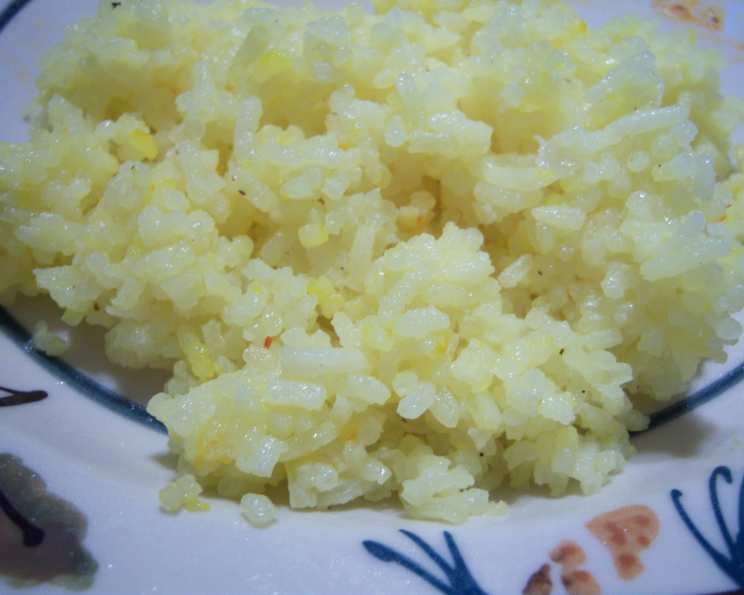
Christiana Campbell’s Tavern Saffron Rice Pilaf: A Taste of Colonial Williamsburg
The first time I experienced Christiana Campbell’s Tavern Saffron Rice Pilaf was during a family trip to Colonial Williamsburg. The aroma alone, a delicate dance of saffron and warm butter, was intoxicating. Sitting in that dimly lit tavern, surrounded by the echoes of history, the pilaf felt like more than just a side dish. Each grain, perfectly cooked and infused with that subtle golden hue, transported me back in time. It was a simple dish, yet profoundly satisfying, a culinary snapshot of a bygone era.
Recipe Overview
- Prep Time: 5 minutes
- Cook Time: 25 minutes
- Total Time: 30 minutes
- Servings: 4-6
- Yield: 1 pilaf
- Dietary Type: Vegetarian
Ingredients
- 1 cup long-grain rice
- 2 1/2 cups water
- 2 tablespoons unsalted butter
- 1 teaspoon salt
- 1/2 teaspoon powdered saffron
- Fresh ground black pepper
Equipment Needed
- Medium colander
- Medium heavy saucepan with a tight-fitting lid
- Fork
Instructions
-
Begin by rinsing the long-grain rice. Place the rice in a colander under cold-running water until the water runs clear. This step is crucial for removing excess starch, ensuring that the pilaf achieves a light and fluffy texture, rather than a sticky one.
-
Transfer the rinsed rice to a medium heavy saucepan. The heavy bottom helps to distribute heat evenly, preventing scorching.
-
Pour 2 1/2 cups of cold water over the rice in the saucepan. Ensure all the rice is submerged.
-
Bring the mixture to a boil over high heat. Keep a close eye on it, as it can quickly boil over.
-
Once boiling, immediately reduce the heat to medium-low. The key here is to maintain a gentle simmer.
-
Cover the saucepan tightly with a lid. A well-fitting lid is essential for trapping steam and cooking the rice evenly.
-
Cook for exactly 20 minutes. Resist the temptation to peek! Lifting the lid releases steam and can disrupt the cooking process. Set a timer to ensure accuracy.
-
After 20 minutes, remove the lid. You should see that all the water has been absorbed and the rice is tender.
-
Gently fluff the rice with a fork. This separates the grains and prevents them from clumping together.
-
Add 2 tablespoons of unsalted butter to the rice. The butter adds richness and a delicate flavor.
-
Sprinkle 1 teaspoon of salt over the rice.
-
Evenly distribute 1/2 teaspoon of powdered saffron over the rice. Saffron is what gives the pilaf its distinctive color and aroma.
-
Re-cover the saucepan and let it sit for 5 minutes. This allows the flavors to meld and the rice to fully absorb the butter and saffron.
-
Season with more salt (if needed) and freshly ground black pepper to taste before serving. Be mindful of the salt content; a little pepper can add a nice touch of warmth.
Expert Tips & Tricks
- For a richer flavor, toast the rice in the saucepan with the butter before adding the water. This enhances the nutty notes of the rice.
- If you don’t have powdered saffron, you can use saffron threads. Steep the threads in a small amount of warm water for about 15 minutes before adding them to the rice. This will help to extract their color and flavor.
- For extra flavor, add a tablespoon or two of minced onion when you add the rice, as suggested by some cooks. Sauté the onion in butter until softened before adding the rice.
- If the rice is still a little wet after 20 minutes of cooking, simply remove the lid and cook for a few more minutes, stirring occasionally, until the excess moisture has evaporated.
- Make it ahead: prepare the pilaf up to a day in advance, store it in the refrigerator, and gently reheat it before serving. Add a splash of water or broth during reheating to prevent it from drying out.
Serving & Storage Suggestions
Christiana Campbell’s Tavern Saffron Rice Pilaf is a versatile side dish that complements a wide range of entrees. It pairs beautifully with roasted chicken, grilled fish, or vegetarian dishes. Serve it warm, garnished with a sprig of parsley or a sprinkle of chopped chives.
Leftover pilaf can be stored in an airtight container in the refrigerator for up to 3 days. To reheat, add a tablespoon of water or broth to the rice and microwave it on medium heat until warmed through. Alternatively, you can reheat it in a saucepan over low heat, stirring occasionally. The saffron rice pilaf can also be frozen for up to 2 months. Thaw it in the refrigerator overnight before reheating.
Nutritional Information
| Nutrient | Amount per Serving | % Daily Value |
|---|---|---|
| Calories | 220 kcal | N/A |
| Calories from Fat | 54 g | 25% |
| Total Fat | 6.1 g | 9% |
| Saturated Fat | 3.7 g | 18% |
| Cholesterol | 15.3 mg | 5% |
| Sodium | 587.6 mg | 24% |
| Total Carbohydrate | 37 g | 12% |
| Dietary Fiber | 0.6 g | 2% |
| Sugars | 0.1 g | 0% |
| Protein | 3.4 g | 6% |
Note: Nutritional information is an estimate and may vary based on specific ingredients and preparation methods.
Variations & Substitutions
- For a vegan version, substitute the butter with a plant-based butter alternative or olive oil.
- Add vegetables: Incorporate diced vegetables like carrots, peas, or bell peppers for added color and nutrition. Sauté them with the butter before adding the rice.
- Use broth instead of water: Substituting water with chicken or vegetable broth will enhance the savory flavor of the pilaf.
- Spice it up: Add a pinch of red pepper flakes for a touch of heat.
- Nutty twist: Add toasted slivered almonds or chopped pistachios for added texture and flavor. Stir them in after the rice has cooked.
FAQs (Frequently Asked Questions)
Q: Can I use brown rice instead of long-grain white rice?
A: Yes, you can, but you will need to adjust the cooking time and the amount of water. Brown rice typically requires longer cooking and more liquid.
Q: Can I make this in a rice cooker?
A: Absolutely! Follow the rice cooker’s instructions for cooking rice, but add the butter, salt, and saffron before starting the cooking cycle.
Q: What can I do if my rice is still crunchy after 20 minutes?
A: Add a little more water (about 1/4 cup) and continue cooking, covered, over low heat until the rice is tender.
Q: Is saffron necessary for this recipe?
A: While saffron is traditional and adds a unique flavor and color, you can omit it if you don’t have it on hand. The pilaf will still be delicious, just without the saffron’s distinctive characteristics.
Q: How do I store leftover saffron rice pilaf?
A: Allow the pilaf to cool completely before storing it in an airtight container in the refrigerator for up to 3 days.
Final Thoughts
Christiana Campbell’s Tavern Saffron Rice Pilaf is more than just a recipe; it’s a journey back in time, a taste of history brought to life in your own kitchen. Don’t be intimidated by the saffron – its delicate flavor and vibrant color make this dish truly special. I encourage you to try this recipe and experience the warmth and simplicity of colonial cuisine. Share your creations, and don’t hesitate to experiment with variations that suit your personal tastes. Perhaps pair it with a simple roasted chicken and a crisp white wine for a truly memorable meal. Happy cooking!