
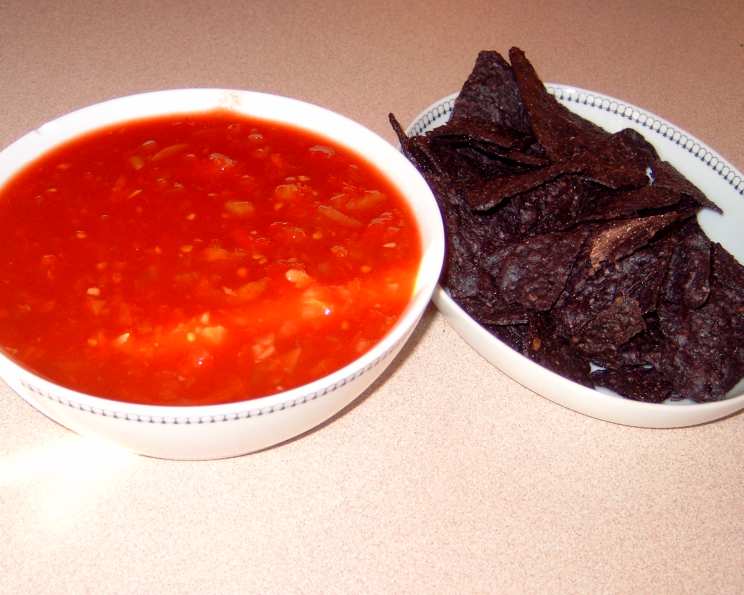
Garden Bounty Salsa: A Taste of Summer Preserved
I can still remember the scent of late summer afternoons at my grandmother’s farm. The air, thick with the buzzing of bees and the earthy aroma of ripe tomatoes, always carried a hint of something else: the sharp, tangy promise of salsa. Grandma Betty, with her flour-dusted apron and mischievous grin, would always be elbow-deep in a huge pot, transforming the garden’s abundance into jars of vibrant, chunky salsa. It was more than just a condiment; it was a taste of sunshine bottled for the colder months, a reminder of family, and the satisfying crunch of a perfect tortilla chip loaded with flavor. This recipe is my attempt to capture that magic, to bring a little bit of Grandma Betty’s summer to your table.
Recipe Overview
- Prep Time: 30 minutes
- Cook Time: 60 minutes
- Total Time: 1 hour 30 minutes
- Yields: Approximately 12 (500ml/2 cup) canning jars
- Dietary Type: Vegan, Gluten-Free
Ingredients
- 12 cups skinned tomatoes, chopped and drained well (approximately 15 lbs)
- 3 cups chopped sweet red peppers
- 3 cups chopped sweet green peppers
- 3 cups chopped jalapeno peppers (include seeds if you like it very hot)
- 3 cups chopped onions
- 1 cup granulated sugar
- 1 head garlic, minced
- 3 teaspoons salt
- 4 1/2 cups cider vinegar
- 2 (5 ounce) cans tomato paste
Equipment Needed
- Large, heavy-bottomed pot (at least 12-quart capacity)
- Cutting board
- Sharp knives
- Measuring cups and spoons
- Canning jars with lids and rings (sterilized)
- Jar lifter
- Large spoon for stirring
- Food processor (optional, for quicker chopping)
- Hot water bath canner (optional, for long-term storage)
Instructions
-
Prepare the Tomatoes: The first step is tackling the tomatoes. To skin them easily, bring a large pot of water to a boil. Score the bottom of each tomato with an “X,” then carefully drop them into the boiling water for about 30-60 seconds, or until the skins start to peel back. Immediately transfer them to an ice bath to stop the cooking process. The skins should now slip off easily. Chop the skinned tomatoes and place them in a colander to drain excess liquid. This step is crucial for preventing a watery salsa.
-
Chop the Vegetables: While the tomatoes are draining, prepare the other vegetables. Finely chop the sweet red peppers, sweet green peppers, jalapeno peppers, and onions. If you prefer a finer salsa, you can pulse the vegetables in a food processor, but be careful not to over-process them into a puree. Remember to wear gloves when handling the jalapenos to avoid skin irritation.
-
Combine the Ingredients: In a REALLY large, heavy pot (a corn pot works perfectly), combine all the prepared vegetables: the chopped and drained tomatoes, red peppers, green peppers, jalapeno peppers, and onions. Add the sugar, minced garlic, salt, cider vinegar, and tomato paste.
-
Bring to a Boil and Simmer: Place the pot over high heat and bring the mixture to a rolling boil. Once boiling, reduce the heat to medium to maintain a simmer.
-
Cook and Thicken: Cook the salsa, uncovered, for approximately 60 minutes, stirring frequently to prevent sticking and burning. The salsa is ready when it has thickened to your desired consistency. Remember that it will thicken further as it cools.
-
Canning (Optional): If you plan to store the salsa for longer than a month, canning is recommended. Ensure your canning jars, lids, and rings are sterilized according to USDA guidelines. Ladle the hot salsa into the sterilized jars, leaving 1/2-inch headspace at the top. Wipe the rims of the jars clean, place the lids on top, and screw on the rings until finger-tight.
-
Process in a Hot Water Bath (Optional): Carefully lower the filled jars into a hot water bath canner. Ensure the water covers the jars by at least an inch. Bring the water to a boil and process for 20 minutes. After processing, turn off the heat and let the jars sit in the hot water for 5 minutes before removing them.
-
Cool and Check Seals: Carefully remove the jars from the canner using a jar lifter and place them on a towel-lined surface to cool completely. As the jars cool, you should hear a “pop” sound, indicating that the lids have sealed properly. After 12-24 hours, check the seals by pressing down on the center of each lid. If the lid doesn’t flex, it’s sealed. If it flexes, the jar isn’t properly sealed and should be refrigerated and used within a week or reprocessed with a new lid.
Expert Tips & Tricks
- Tomato Variety Matters: Roma tomatoes and other paste tomatoes are ideal for salsa because they have less water content. Using a mix of tomato varieties adds complexity to the flavor.
- Roast the Peppers: For a deeper, smokier flavor, roast the sweet and jalapeno peppers before chopping. Place them under a broiler until the skins are blackened, then transfer them to a bowl and cover with plastic wrap for 10 minutes. The skins will peel off easily.
- Adjust the Heat: Control the spiciness by adjusting the amount of jalapeno peppers and whether or not you include the seeds. Removing the seeds significantly reduces the heat.
- Don’t Overcook: Overcooking can lead to a bitter taste and a mushy texture. Keep a close eye on the salsa as it simmers, and remove it from the heat when it reaches your desired consistency.
- Acid is Key: The cider vinegar is crucial for preserving the salsa and ensuring it’s safe for canning. Do not reduce the amount of vinegar called for in the recipe.
- Fresh Herbs: For an extra burst of fresh flavor, add a handful of chopped cilantro or fresh oregano during the last 15 minutes of cooking.
- Thickening Assistance: If your salsa is too thin after an hour of cooking, you can add a tablespoon of cornstarch mixed with a tablespoon of cold water to the pot and stir until thickened.
Serving & Storage Suggestions
This chunky tomato salsa is incredibly versatile. Serve it chilled with tortilla chips as an appetizer, or use it as a topping for tacos, quesadillas, grilled chicken, fish, or eggs. It’s also delicious as a base for chili or stews.
- Room Temperature: Freshly made salsa (uncanned) can be left at room temperature for no more than two hours.
- Refrigerator: Uncanned salsa will keep in the refrigerator for up to one week.
- Freezer: Salsa can be frozen for up to one month. Store it in airtight containers or freezer bags, leaving some headspace for expansion. Thaw in the refrigerator overnight before serving. The texture may change slightly after freezing, but the flavor will remain good.
- Canned: Properly canned salsa can be stored in a cool, dark place for up to one year. Once opened, refrigerate and use within two weeks.
Nutritional Information
(Estimated per serving, based on 1/2 cup serving size)
| Nutrient | Amount per Serving | % Daily Value |
|---|---|---|
| Calories | 183 kcal | N/A |
| Total Fat | 0.8 g | 1% |
| Saturated Fat | 0.2 g | 0% |
| Cholesterol | 0 mg | 0% |
| Sodium | 787 mg | 32% |
| Total Carbohydrate | 40 g | 13% |
| Dietary Fiber | 6 g | 23% |
| Sugars | 30 g | N/A |
| Protein | 4 g | 8% |
Variations & Substitutions
- Spicier Salsa: Add more jalapenos or use hotter varieties like serrano peppers. A pinch of cayenne pepper can also boost the heat.
- Smoked Salsa: Use smoked paprika instead of regular paprika for a smoky flavor.
- Fruit Salsa: Add diced mango, pineapple, or peaches for a sweet and tangy twist.
- Black Bean Salsa: Stir in a can of rinsed and drained black beans for added protein and fiber.
- Corn Salsa: Add grilled or roasted corn kernels for a summery flavor.
- Roasted Garlic Salsa: Roast the whole head of garlic before mincing for a sweeter, milder garlic flavor.
- Vinegar Variation: While cider vinegar is classic, you can experiment with white vinegar or even lime juice for a different tang.
FAQs (Frequently Asked Questions)
Q: Do I really need to skin the tomatoes?
A: Yes, skinning the tomatoes is recommended for a smoother salsa texture. The skins can be tough and detract from the overall eating experience.
Q: Can I use canned tomatoes instead of fresh?
A: While fresh tomatoes are ideal, you can substitute with canned diced tomatoes in a pinch. Use about 6 cups of canned tomatoes, drained well.
Q: How can I make this recipe less sweet?
A: Reduce the amount of sugar or omit it altogether. Taste the salsa as it cooks and adjust the sweetness to your liking. You can also add a squeeze of lime juice to balance the flavors.
Q: My salsa is too watery. What can I do?
A: Continue simmering the salsa to reduce the liquid, or add a tablespoon of tomato paste. Draining the chopped tomatoes thoroughly before cooking helps prevent a watery salsa.
Q: Can I use a blender instead of a food processor?
A: You can use a blender, but pulse it carefully to avoid pureeing the vegetables. The goal is to chop them finely, not create a smooth sauce.
Final Thoughts
Now it’s your turn to create a jar of sunshine! Don’t be afraid to experiment with the recipe and make it your own. Adjust the heat, sweetness, and flavor to suit your taste. Whether you’re a seasoned canner or a salsa newbie, this recipe is a delicious way to preserve the flavors of summer and enjoy them all year round. So gather your ingredients, put on some music, and get ready to transform your garden bounty into a taste sensation! Share your creations and feedback – I’d love to hear how your Garden Bounty Salsa turns out! And if you’re feeling adventurous, try pairing it with grilled fish tacos and a refreshing margarita. Enjoy!