
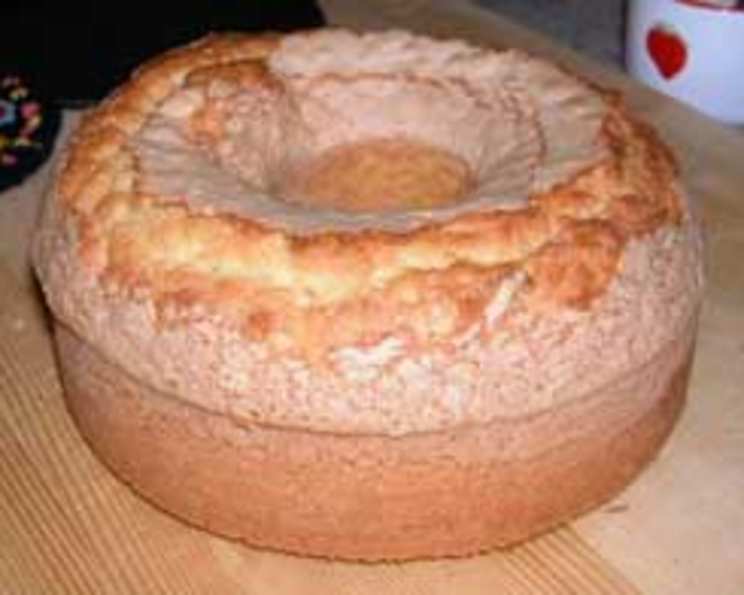
Ciambellone: A Taste of Italian Mornings
The scent of Ciambellone instantly transports me back to my Nonna’s kitchen in Tuscany. Every Sunday, without fail, this simple yet exquisite cake would emerge from her ancient oven, its golden crust glistening under a dusting of powdered sugar. It wasn’t just a cake; it was a symbol of family, warmth, and the unhurried joy of starting the day together, sharing stories and laughter over thick slices dipped in milky coffee. The recipe was always a little different, depending on what she had in her pantry, but the love baked into it was consistently perfect.
Recipe Overview
- Prep Time: 20 minutes
- Cook Time: 50 minutes
- Total Time: 1 hour 10 minutes
- Servings: 20
- Yield: 1 cake
- Dietary Type: Vegetarian
Ingredients
- 5 large eggs
- 500 g whole wheat flour
- 400 g white sugar (or half white and half dark brown)
- 4 teaspoons baking powder
- 300 ml vegetable oil
- 200 ml water (or any infusion you like, lukewarm)
- 1/2 teaspoon lemon rind, grated
- 1/4 teaspoon salt
Optional additions:
- Chocolate chips
- Grated nuts
- Coconut flakes
- Small pieces of fruits
- Raisins
Equipment Needed
- Large mixing bowl
- Electric mixer
- Sifter
- 9-10 inch tube pan
- Measuring cups and spoons
- Long cake tester or toothpick
- Wire rack
Instructions
-
Begin by preheating your oven to 350°F (175°C). This ensures even baking and a beautiful rise for the Ciambellone.
-
In a medium bowl, sift together the whole wheat flour, salt, and baking powder. Sifting is crucial for incorporating air and preventing clumps, resulting in a lighter, more tender cake. Set the dry ingredients aside.
-
In a large mixing bowl, using an electric mixer, beat the eggs with the sugar (either all white sugar, or a combination of white and dark brown sugar) until the mixture becomes light and fluffy. This step is vital for creating volume and a delicate crumb. Beat for several minutes until the mixture is pale and has nearly doubled in size.
-
Gradually add the vegetable oil to the egg mixture, continuing to beat until well combined. Ensure the oil is fully incorporated to maintain the cake’s moistness.
-
Slowly beat in the flour mixture, a little at a time, alternating with the grated lemon peel. This prevents overmixing, which can develop the gluten in the flour and lead to a tough cake. Mix until just combined.
-
Finally, gradually add the lukewarm water (or your preferred infusion, such as chamomile or orange blossom), mixing until the batter reaches the right consistency. The batter should be smooth and easily pourable.
-
Note: You may need slightly more or less water depending on the type of flour used and the ambient humidity. The average amount needed is around 200ml. Adjust accordingly until you achieve a smooth, flowing batter.
-
Continue to beat the batter until it is completely smooth and uniform in texture.
-
Thoroughly grease and flour a 9-10 inch tube pan. This is essential for this type of water-based cake to cook perfectly on the inside and release cleanly after baking. Make sure to coat every nook and cranny of the pan to prevent sticking.
-
Pour the batter into the prepared tube pan, ensuring it is evenly distributed.
-
Bake in the preheated oven for approximately 50 minutes. The exact baking time may vary depending on your oven, so it’s important to check for doneness.
-
To check if the cake is done, insert a long cake tester or toothpick into the center of the cake. If it comes out clean or with only a few moist crumbs attached, the cake is ready. If it comes out with wet batter, continue baking for a few more minutes and check again.
-
Once the cake is baked, remove it from the oven and let it cool in the pan for about 10-15 minutes before inverting it onto a wire rack to cool completely. This prevents the cake from breaking apart while still warm.
-
Once cooled, dust with powdered sugar or top with a simple glaze if desired.
Expert Tips & Tricks
- For a richer flavor, try using a combination of olive oil and vegetable oil. The olive oil will add a subtle fruity note.
- Don’t overmix the batter! Overmixing develops the gluten in the flour, resulting in a tough cake. Mix until just combined.
- To prevent the cake from sticking to the pan, grease and flour it thoroughly. You can also use baking spray with flour.
- If the top of the cake is browning too quickly, tent it loosely with aluminum foil during the last 15 minutes of baking.
- For an extra burst of flavor, try adding a teaspoon of vanilla extract or almond extract to the batter.
- If you are using a dark-colored tube pan, reduce the oven temperature by 25°F (15°C) to prevent the cake from browning too quickly.
Serving & Storage Suggestions
Ciambellone is best served at room temperature, either plain or lightly dusted with powdered sugar. It pairs wonderfully with a cup of coffee, tea, or a glass of milk. You can also serve it with a dollop of whipped cream or a scoop of ice cream for a more decadent treat.
To store leftovers, wrap the cake tightly in plastic wrap or store it in an airtight container at room temperature for up to 3 days. For longer storage, you can freeze the cake for up to 2 months. Thaw it overnight in the refrigerator before serving.
This cake freezes well, either whole or in slices. You may add chocolate chips, grated nuts, coconut, small pieces of fruits, raisins, etc.
Nutritional Information
| Nutrient | Amount per Serving | % Daily Value |
|---|---|---|
| Calories | 220 kcal | N/A |
| Calories from Fat | 133 g | 61% |
| Total Fat | 14.8 g | 22% |
| Saturated Fat | 2.2 g | 10% |
| Cholesterol | 52.9 mg | 17% |
| Sodium | 120.6 mg | 5% |
| Total Carbohydrate | 18.7 g | 6% |
| Dietary Fiber | 3 g | 12% |
| Sugars | 0.5 g | 1% |
| Protein | 5 g | 9% |
Variations & Substitutions
- Gluten-Free Ciambellone: Substitute the whole wheat flour with a gluten-free all-purpose flour blend. You may also need to add a binder like xanthan gum to help with the texture.
- Dairy-Free Ciambellone: Replace the vegetable oil with melted coconut oil. Ensure your infusion is also dairy-free (e.g., almond milk infusion).
- Citrus Zest Variations: Experiment with different citrus zests, such as orange, grapefruit, or lime, to add a unique flavor profile.
- Spice Infusion: Add a pinch of cinnamon, nutmeg, or cardamom to the batter for a warm and comforting spice flavor.
- Chocolate Ciambellone: Add 1/4 cup of unsweetened cocoa powder to the dry ingredients for a chocolatey twist.
FAQs (Frequently Asked Questions)
Q: Why is a tube pan essential for this recipe?
A: The tube pan allows heat to circulate evenly through the center of the cake, ensuring it cooks thoroughly, especially given the water-based batter.
Q: Can I use regular all-purpose flour instead of whole wheat flour?
A: Yes, you can substitute all-purpose flour, but the texture might be slightly different, resulting in a less dense and more tender cake.
Q: What can I use instead of water for the infusion?
A: You can use any type of herbal tea, fruit juice, or even coffee for a unique flavor twist. Chamomile tea or orange juice work particularly well.
Q: How do I prevent the bottom of the cake from burning?
A: Place a baking sheet on the rack below the cake to deflect some of the heat, or lower the oven rack position.
Q: Can I add other flavors to this cake?
A: Absolutely! Feel free to add vanilla extract, almond extract, or even a splash of rum for a more complex flavor.
Final Thoughts
Ciambellone is more than just a cake; it’s a celebration of simplicity and the joy of homemade goodness. I urge you to try this recipe and experience the warmth and comfort it brings. Feel free to experiment with different flavors and ingredients to make it your own. And, most importantly, share it with loved ones and create your own cherished memories around this classic Italian treat. Let me know how it turns out – I can’t wait to hear about your Ciambellone adventures!