
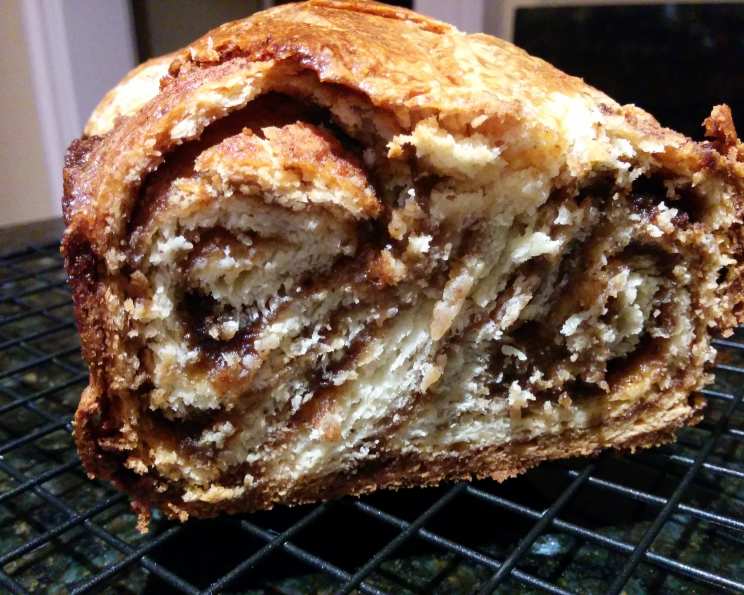
Cinnamon Babka: A Sweet Slice of Nostalgia
The scent of cinnamon and warm, yeasty dough always transports me back to my grandmother’s kitchen. Bubbe Rose, as we called her, wasn’t one for fancy techniques, but she possessed an innate talent for coaxing simple ingredients into extraordinary comfort food. Her babka, a twisted, cinnamon-swirled bread, was legendary. It was never perfectly shaped, often a bit lopsided, but the taste was pure heaven. Every bite was filled with love, and this recipe attempts to capture that essence, that warm, familiar feeling of home.
Recipe Overview
- Prep Time: 2 hours 15 minutes
- Cook Time: 45 minutes
- Total Time: 4 hours 15 minutes
- Servings: 8
- Yield: 1 Loaf
- Dietary Type: Not specified
Ingredients
Filling:
- 1 cup light brown sugar, packed (7 ounces)
- ¼ cup all-purpose flour (1 ¾ ounces)
- 2 tablespoons unsalted butter, melted and cooled
- 1 large egg white
- 2 teaspoons ground cinnamon
- ⅛ teaspoon salt
Dough:
- ½ cup whole milk, heated to 110 degrees
- 2 large egg yolks
- 1 large egg
- 1 teaspoon vanilla extract
- 2 cups all-purpose flour (10 ounces)
- ¼ cup sugar (1 ¾ ounces)
- 1 ½ teaspoons instant yeast or 1 ½ teaspoons fast rising yeast
- ½ teaspoon salt
- 8 tablespoons unsalted butter, cut into 8 pieces and softened
Equipment Needed
- Stand mixer fitted with dough hook
- Large bowl
- 1-cup liquid measuring cup
- Rolling pin
- 8½ by 4½-inch loaf pan
- Parchment paper
- Wire rack
Instructions
-
Prepare the Filling: In a medium bowl, combine the brown sugar, flour, melted butter, egg white, cinnamon, and salt. Mix thoroughly until well combined and set aside. Reserve 1 tablespoon of the filling for later.
-
Prepare the Dough – Wet Ingredients: Adjust your oven rack to the middle position and heat the oven to 200 degrees Fahrenheit. Once the oven reaches 200 degrees, turn it off. Grease a large bowl. In a 1-cup liquid measuring cup, whisk together the warmed milk, egg yolks, whole egg, and vanilla extract.
-
Prepare the Dough – Dry Ingredients: Using a stand mixer fitted with the dough hook, combine the flour, sugar, yeast, and salt in the mixer bowl. Mix on low speed until the ingredients are just combined.
-
Combine Wet and Dry: Slowly add the milk mixture to the dry ingredients and mix until a dough comes together, approximately 3 minutes.
-
Incorporate the Butter: Increase the mixer speed to medium-low and add the softened butter, one piece at a time, until each piece is fully incorporated. This should take about 1 minute.
-
Knead the Dough: Continue mixing the dough until it is smooth and pulls away from the sides of the bowl, about 10 to 12 minutes. This step is crucial for developing the gluten and achieving the proper texture. Note: Once you’ve added the butter, if the dough is still sticking to the sides of the bowl after five minutes of mixing, add 2 to 4 tablespoons of extra flour, one tablespoon at a time.
-
First Rise: Transfer the dough to the greased bowl, cover it tightly with plastic wrap, and place it in the turned-off oven. Let the dough rise slightly, approximately 1 hour.
-
Chill and Second Rise: Remove the bowl from the oven and place it in the refrigerator. Allow the dough to chill until it is firm and has doubled in size, which will take at least 1 hour.
-
Prepare the Pan: Line an 8½ by 4½-inch loaf pan with parchment paper, allowing the excess paper to hang over the edges. This will make it easier to remove the baked babka later. Note: The test kitchen’s favorite loaf pan measures 8½ by 4½ inches; if you use a standard 9 by 5-inch loaf pan, start checking the babka for doneness after 40 minutes.
-
Shape the Babka: Punch down the dough on a lightly floured counter to release any trapped air. Roll out the dough into a 20 by 14-inch rectangle.
-
Add the Filling: Spread all but 1 tablespoon of the reserved filling evenly over the dough, leaving a ½-inch border around the edges.
-
Roll and Seal: Working from the short side, roll the dough into a tight cylinder and pinch along the seam to seal it completely.
-
Stretch and Reserve Filling: Position the cylinder seam-side up and gently roll it back and forth until it is stretched to an 18-inch length. Spread the remaining 1 tablespoon of reserved filling over the top of the cylinder.
-
Fold and Twist: Carefully fold the cylinder in half, placing one half on top of the other. Pinch the ends to seal them. Gently twist the double cylinder twice to form a double figure eight.
-
Final Proof: Place the shaped dough, seam-side down, into the prepared loaf pan. Cover it loosely with plastic wrap and let it rise in the turned-off oven until it has doubled in size, approximately 1 hour.
-
Egg Wash and Bake: Lightly beat a whole egg in a small bowl. Remove the loaf from the oven and discard the plastic wrap. Heat the oven to 350 degrees Fahrenheit. Brush the loaf evenly with the beaten egg.
-
Bake to Perfection: Bake the babka until it is a deep golden brown and an instant-read thermometer inserted into the center registers 190 degrees Fahrenheit, about 45 minutes.
-
Cooling: Let the babka cool in the pan on a wire rack for 20 minutes. Then, remove it from the pan using the parchment paper overhang and cool completely on the wire rack, approximately 2 hours.
-
Serve: Once completely cooled, slice and serve the cinnamon babka.
To Make Ahead: Instead of letting the dough rise in step 15, cover the shaped loaf with plastic wrap and refrigerate for up to 24 hours. Let the dough sit at room temperature for 1 hour before baking.
Expert Tips & Tricks
-
Warm Milk is Key: Make sure the milk is heated to around 110 degrees Fahrenheit. This activates the yeast more effectively. Too hot, and you’ll kill the yeast; too cold, and it won’t activate properly.
-
Don’t Overmix: Overmixing the dough after the first rise can result in a tough babka. Be gentle when shaping and twisting.
-
Patience is a Virtue: Don’t rush the rising times. The dough needs time to develop its flavor and airy texture.
-
Even Baking: If your oven has hot spots, rotate the loaf halfway through baking to ensure even browning.
-
Adjust Sweetness: If you prefer a less sweet babka, reduce the amount of sugar in the filling. You can also add a pinch of salt to the filling to balance the sweetness.
Serving & Storage Suggestions
Serve the cinnamon babka at room temperature, sliced, and enjoyed with a cup of coffee or tea. It’s also delicious slightly warmed.
To store, wrap the babka tightly in plastic wrap or place it in an airtight container. It will keep at room temperature for up to 3 days or in the refrigerator for up to 5 days.
For longer storage, freeze the babka, well wrapped, for up to 2 months. Thaw it overnight in the refrigerator before serving. You can also reheat individual slices in the microwave or toaster oven.
Nutritional Information
| Nutrient | Amount per Serving | % Daily Value |
|---|---|---|
| Calories | 423.6 kcal | N/A |
| Calories from Fat | 153 g | 36% |
| Total Fat | 17 g | 26% |
| Saturated Fat | 10.1 g | 50% |
| Cholesterol | 109 mg | 36% |
| Sodium | 216.9 mg | 9% |
| Total Carbohydrate | 61.9 g | 20% |
| Dietary Fiber | 1.5 g | 6% |
| Sugars | 34 g | 135% |
| Protein | 6.5 g | 13% |
Variations & Substitutions
-
Chocolate Babka: Substitute ¼ cup of unsweetened cocoa powder for an equal amount of flour in the filling and add ½ cup of chocolate chips.
-
Nutella Babka: Spread Nutella instead of the cinnamon filling. You may need to warm it slightly to make it easier to spread.
-
Gluten-Free Babka: Use a high-quality gluten-free flour blend designed for baking. You may need to adjust the liquid slightly as gluten-free flours absorb moisture differently.
-
Citrus Zest: Add the zest of an orange or lemon to the dough for a bright, aromatic twist.
-
Dried Fruit and Nuts: Incorporate chopped dried cranberries, raisins, or toasted nuts into the filling for added texture and flavor.
FAQs (Frequently Asked Questions)
Q: Can I use active dry yeast instead of instant yeast?
A: Yes, but you’ll need to proof the active dry yeast first. Dissolve it in the warm milk with a teaspoon of sugar and let it sit for 5-10 minutes until foamy before adding it to the flour mixture.
Q: Why is my babka dry?
A: Overbaking is the most common cause of dry babka. Make sure to check the internal temperature with an instant-read thermometer and remove it from the oven as soon as it reaches 190 degrees Fahrenheit. Adding a simple syrup glaze after baking can also help to keep it moist.
Q: Can I skip the chilling step?
A: While you can technically skip the chilling step, it’s highly recommended. Chilling the dough makes it easier to handle and roll out, and it also allows the flavors to develop further.
Q: What if my babka is browning too quickly?
A: If the babka is browning too quickly, tent it loosely with aluminum foil during the last 15-20 minutes of baking.
Q: My babka is not rising properly. What am I doing wrong?
A: Several factors can affect the rise of the dough, including the temperature of the milk, the freshness of the yeast, and the ambient temperature of your kitchen. Ensure your milk is warm but not hot, use fresh yeast, and provide a warm, draft-free environment for the dough to rise.
Final Thoughts
This cinnamon babka recipe is more than just a set of instructions; it’s an invitation to create a delicious memory, to connect with tradition, and to fill your home with the irresistible aroma of warm, sweet bread. Don’t be afraid to experiment with variations and make it your own. And most importantly, share your creation with loved ones and savor every delicious bite. I encourage you to try this recipe and make your own version, maybe adding a hint of cardamom or a sprinkle of chopped walnuts. Let me know how it turns out – I can’t wait to hear your stories!