
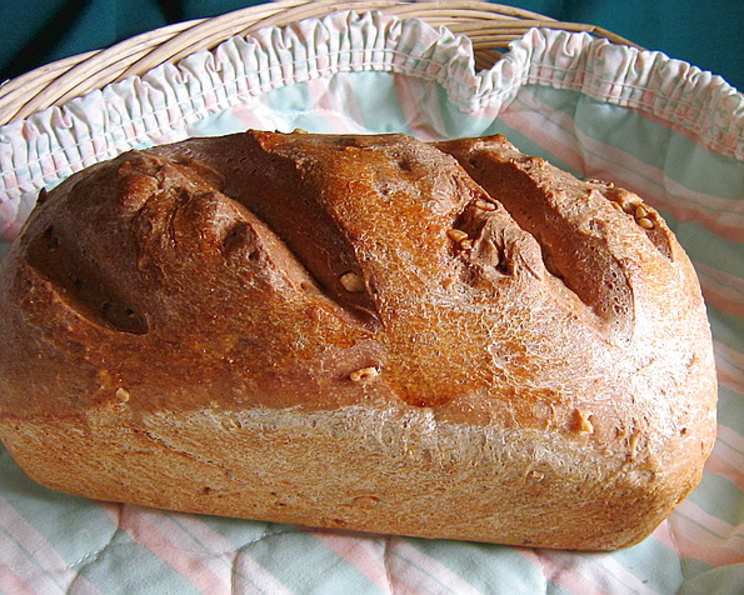
Cinnamon Buckwheat Bread: A Taste of Nostalgia
The scent of cinnamon baking in the oven… It transports me straight back to my grandmother’s kitchen. I can almost feel the warmth radiating from her old wood-fired stove, the flour dusting her apron as she expertly kneaded dough. This Cinnamon Buckwheat Bread isn’t just a recipe; it’s a cherished memory, a warm embrace in every slice, a link to simpler times filled with love and homemade goodness. The earthy notes of buckwheat combined with the comforting aroma of cinnamon create a symphony of flavors that I’m so excited to share with you.
Recipe Overview
- Prep Time: 1 hour 30 minutes
- Cook Time: 30-40 minutes
- Total Time: 2 hours 49 minutes
- Yields: 2 loaves
- Dietary Type: Vegetarian
Ingredients
- 3 tablespoons dry yeast, plus 1 teaspoon dry yeast
- 2 cups warm water
- 1⁄2 cup dry milk
- 2⁄3 cup sugar
- 1⁄4 cup buckwheat flour
- 5 1⁄4 – 6 cups flour (all-purpose or bread flour)
- 2 tablespoons cinnamon
- 2 1⁄2 teaspoons salt
- 1 tablespoon corn oil
- 2 egg whites, beaten
Equipment Needed
- Two 4 1/2 x 8 1/2 inch loaf pans
- Large mixing bowl
- Measuring cups and spoons
- Plastic wrap
- Cooling rack
Instructions
- First, grease two 4 1/2 x 8 1/2 inch loaf pans thoroughly. This ensures that your bread will release easily after baking.
- In a small bowl, sprinkle 3 tablespoons plus 1 teaspoon of dry yeast over the warm water. Let it sit for 10 minutes, or until the mixture becomes bubbling and frothy. This step activates the yeast, ensuring a good rise for your bread.
- In a large mixing bowl, combine the dry milk, sugar, buckwheat flour, and 5 1/4 cups of the flour, along with the cinnamon and salt. Whisk all the dry ingredients together to evenly distribute the spices and create a uniform base for the dough.
- Stir in the yeast mixture into the dry ingredients. Then, beat the dough until it becomes silky and smooth. If the dough is too sticky, add more flour, a little at a time, until it pulls away from the sides of the bowl. If kneading by hand, this process should take about 8-10 minutes.
- Grease a large bowl with corn oil. This will prevent the dough from sticking as it rises.
- Place the dough in the greased bowl, turning it to coat all sides with the oil. Then, cover the bowl tightly with plastic wrap.
- Let the dough rise in a warm place for about 30 minutes, or until it has doubled in size. The warmer the environment, the faster it will rise.
- Punch the dough down to release the air. This helps to develop the gluten and create a more even texture in the final product.
- Let the dough rise again for another 30 minutes. This second rise contributes to a lighter and airier bread.
- Divide the dough in half and form each half into a log shape.
- Place each log of dough into the prepared loaf pans.
- Brush the tops of the loaves with the beaten egg whites. This gives the crust a beautiful golden-brown color and a slightly shiny finish.
- Let the dough rise again in the pans for 30 minutes. This final proofing allows the bread to achieve its full height before baking.
- Make two diagonal cuts in the top of each loaf using a sharp knife or a lame. These cuts allow the bread to expand evenly in the oven and prevent it from cracking.
- Sprinkle the tops of the loaves with the remaining 2 tablespoons of flour. This adds a rustic touch and helps to create a slightly crispier crust.
- Bake in a preheated 400-degree oven for 30-40 minutes, or until the crust is golden brown and the bread sounds hollow when tapped on the bottom. Ovens vary, so keep a close eye on the bread during the last 10 minutes of baking to prevent burning.
- Turn the loaves onto a cooling rack to cool completely before slicing and serving. This prevents the bread from becoming soggy.
Expert Tips & Tricks
- For a richer flavor, try using brown sugar instead of granulated sugar.
- To prevent the crust from becoming too dark, tent the loaves with foil during the last 15 minutes of baking.
- If you don’t have corn oil, you can substitute it with another neutral-flavored oil, such as canola or vegetable oil.
- The dough can be made ahead of time and stored in the refrigerator overnight. Just be sure to punch it down before refrigerating and allow it to come to room temperature before shaping and baking.
- For an extra touch of sweetness, drizzle a simple glaze made from powdered sugar and milk over the cooled loaves.
Serving & Storage Suggestions
This Cinnamon Buckwheat Bread is delicious served warm with a pat of butter or a drizzle of honey. It’s also fantastic toasted and topped with your favorite jam or preserves. It makes excellent sandwiches and is a perfect accompaniment to soups and salads.
To store, wrap the bread tightly in plastic wrap or place it in an airtight container at room temperature for up to 3 days. For longer storage, you can freeze the bread for up to 2 months. Thaw it completely before slicing and serving. To revive slightly stale bread, wrap it in a damp paper towel and microwave for a few seconds.
Nutritional Information
| Nutrient | Amount per Serving | % Daily Value |
|---|---|---|
| Calories | 1775 kcal | N/A |
| Calories from Fat | N/A | N/A |
| Total Fat | 15.7 g | 24% |
| Saturated Fat | 6.4 g | 32% |
| Cholesterol | 31 mg | 10% |
| Sodium | 3105 mg | 129% |
| Total Carbohydrate | 353.2 g | 117% |
| Dietary Fiber | 18.2 g | 72% |
| Sugars | 80.6 g | 322% |
| Protein | 55.7 g | 111% |
Note: Nutritional information is an estimate and may vary based on specific ingredients and preparation methods.
Variations & Substitutions
- Gluten-Free: Substitute the all-purpose flour with a gluten-free blend. You may need to adjust the amount of liquid to achieve the desired dough consistency.
- Dairy-Free: Replace the dry milk with a dairy-free alternative, such as soy milk powder or almond milk powder. You can also use water instead of dry milk.
- Nutty Flavor: Add 1/2 cup of chopped walnuts or pecans to the dough for added texture and flavor.
- Spice It Up: Experiment with different spices, such as nutmeg, cardamom, or ginger, to create your own unique flavor profile.
FAQs (Frequently Asked Questions)
Q: Can I use active dry yeast instead of instant yeast?
A: Yes, you can. Just proof the active dry yeast in warm water for about 10-15 minutes before adding it to the other ingredients.
Q: Why is my bread not rising?
A: Make sure your yeast is fresh and active. Also, the temperature of the water is crucial; it should be warm (around 105-115°F), not too hot or too cold.
Q: Can I freeze the dough instead of baking it right away?
A: Yes, you can freeze the dough after the first rise. Thaw it overnight in the refrigerator before shaping and baking.
Q: How do I know when the bread is done?
A: The bread is done when the crust is golden brown and the loaf sounds hollow when tapped on the bottom. You can also use a thermometer to check the internal temperature, which should be around 200-210°F.
Q: Can I make this recipe into rolls instead of loaves?
A: Absolutely! Divide the dough into smaller portions and shape them into rolls. Reduce the baking time accordingly.
Final Thoughts
This Cinnamon Buckwheat Bread is more than just a recipe; it’s an invitation to create your own cherished memories. The combination of earthy buckwheat and warm cinnamon creates a flavor that’s both comforting and unique. I encourage you to try this recipe and experience the simple joy of baking homemade bread. Share it with loved ones, experiment with variations, and most importantly, savor every delicious bite. Let me know how it turns out for you – I’d love to hear your thoughts and any creative twists you add!