
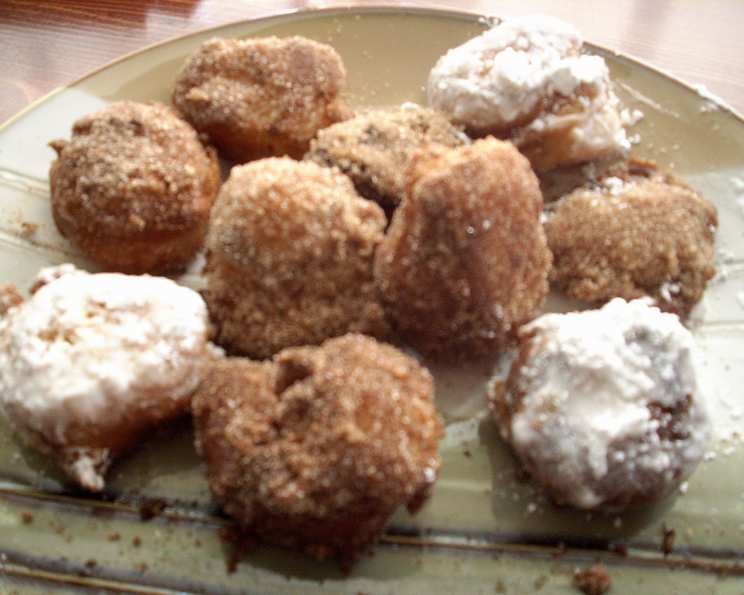
Cinnamon Doughnut Holes: A Sweet Bite of Nostalgia
The memory is as vivid as if it were yesterday: the aroma of warm cinnamon swirling through my grandmother’s kitchen, the gentle sizzle of oil in her well-worn cast iron skillet, and the anticipation of those tiny, golden orbs she called “doughnut babies.” These weren’t fancy, gourmet creations, but simple, honest-to-goodness bites of pure comfort. Each one, perfectly imperfect, was a reminder of her boundless love and the sweet simplicity of childhood. They’re more than just a treat; they’re a hug in edible form.
Recipe Overview
- Prep Time: 5 minutes
- Cook Time: 15 minutes
- Total Time: 20 minutes
- Yields: 24 doughnut holes
- Dietary Type: Vegetarian
Ingredients
- 1 cup Bisquick baking mix
- 1 tablespoon sugar
- 1 tablespoon vanilla
- ½ cup milk
- ¼ cup sugar
- 1 teaspoon cinnamon
Equipment Needed
- Deep pot or fryer
- Slotted spoon or spider
- Paper towels
- Small bowl
Instructions
- In a mixing bowl, combine the 1 cup Bisquick baking mix, 1 tablespoon sugar, 1 tablespoon vanilla, and ½ cup milk. Stir until just blended. The batter should be thick but pourable. Avoid overmixing. A few lumps are okay.
- Heat your choice of cooking oil (vegetable, canola, or peanut oil work well) in a deep pot or fryer to 350°F (175°C). The oil should be deep enough to allow the doughnut holes to float freely.
- Carefully drop rounded half-teaspoons of the batter into the hot oil. Work in batches of 4-6 doughnut holes at a time to avoid overcrowding the pot and lowering the oil temperature too much. Overcrowding can also cause the doughnut holes to stick together.
- Fry the doughnut holes until they are golden brown, turning them occasionally to ensure even browning on all sides. This should take approximately 2-3 minutes per batch.
- Use a slotted spoon or spider to remove the fried doughnut holes from the oil and place them on a plate lined with paper towels to drain excess oil.
- While the doughnut holes are still warm, roll them in a mixture of ¼ cup sugar and 1 teaspoon cinnamon. Ensure they are fully coated for the best flavor.
- Repeat steps 3-6 with the remaining batter.
- Serve immediately and enjoy!
- Important note: Do not double the recipe. The longer the batter stands, the more leavening power it loses.
Expert Tips & Tricks
- Temperature is Key: Maintaining the correct oil temperature is crucial for perfectly cooked doughnut holes. If the oil is too hot, the outside will burn before the inside is cooked. If it’s too cool, the doughnut holes will absorb too much oil and become greasy. Use a candy thermometer to monitor the oil temperature accurately.
- Don’t Overmix: Overmixing the batter develops the gluten, resulting in tough doughnut holes. Stir just until the ingredients are combined.
- Consistent Size: Use a small cookie scoop or two spoons to drop consistent amounts of batter into the hot oil. This will ensure even cooking and a uniform appearance.
- Cinnamon-Sugar Coating Secrets: For a truly irresistible coating, try adding a pinch of nutmeg or cardamom to the cinnamon-sugar mixture. You can also melt a little butter and brush it on the doughnut holes before rolling them in the coating for extra adhesion and richness.
Serving & Storage Suggestions
Serve these delightful cinnamon doughnut holes warm, fresh from the fryer. They’re perfect as a sweet breakfast treat, a delightful afternoon snack, or a simple dessert. Pair them with a cup of hot coffee, tea, or a glass of cold milk.
Leftover doughnut holes can be stored in an airtight container at room temperature for up to 2 days. However, they are best enjoyed on the same day they are made, as they tend to lose their crispness over time. To reheat, you can briefly microwave them (about 10-15 seconds) or warm them in a low oven (300°F/150°C) for a few minutes. Note that reheating may make them slightly less crispy. Freezing is not recommended as it alters the texture significantly.
Nutritional Information
| Nutrient | Amount per Serving | % Daily Value |
|---|---|---|
| Calories | 36.6 kcal | N/A |
| Calories from Fat | 8 g | 24% |
| Total Fat | 1 g | 1% |
| Saturated Fat | 0.3 g | 1% |
| Cholesterol | 0.8 mg | 0% |
| Sodium | 66.4 mg | 2% |
| Total Carbohydrate | 6.2 g | 2% |
| Dietary Fiber | 0.2 g | 0% |
| Sugars | 3.3 g | 13% |
| Protein | 0.6 g | 1% |
Note: Nutritional information is an estimate and may vary based on specific ingredients and preparation methods.
Variations & Substitutions
- Gluten-Free: Substitute the Bisquick baking mix with a gluten-free all-purpose baking mix. Be sure to check the label to ensure it contains xanthan gum for binding.
- Dairy-Free: Use your favorite non-dairy milk alternative, such as almond milk, soy milk, or oat milk.
- Spice it Up: Add a pinch of ground nutmeg, cardamom, or ginger to the batter for a warmer, more complex flavor profile.
- Lemon Zest: Incorporate a teaspoon of lemon zest into the batter for a bright, citrusy twist.
- Chocolate Glaze: Instead of rolling the doughnut holes in cinnamon-sugar, dip them in a simple chocolate glaze made with melted chocolate chips and a little milk or cream.
- Cake Doughnut Holes: You can also make these with a cake mix! Simply follow the instructions on the box, substituting the water with milk for a richer flavor, then proceed with the frying instructions as written.
FAQs (Frequently Asked Questions)
Q: Can I bake these instead of frying them?
A: While frying provides the most authentic texture and flavor, you can bake them in a mini muffin tin at 350°F (175°C) for about 10-12 minutes. They won’t be as light and airy, but it’s a healthier alternative.
Q: What kind of oil is best for frying doughnut holes?
A: Oils with a high smoke point, such as vegetable oil, canola oil, or peanut oil, are ideal for frying. Avoid using olive oil, as it has a lower smoke point and can impart an unwanted flavor.
Q: How do I prevent the doughnut holes from sticking together while frying?
A: Avoid overcrowding the pot and ensure the oil temperature is consistent. Also, don’t drop the batter too close together.
Q: Can I make the batter ahead of time?
A: It’s best to fry the doughnut holes immediately after mixing the batter. If the batter sits for too long, the leavening power will diminish, and the doughnut holes will be dense.
Q: My doughnut holes are greasy. What did I do wrong?
A: The most common cause of greasy doughnut holes is frying them at too low of a temperature. Make sure your oil is at 350°F (175°C) before adding the batter. Also, avoid overcrowding the pot, as this can lower the oil temperature.
Final Thoughts
I hope this recipe brings you as much joy as it has brought my family over the years. Don’t be afraid to experiment with different flavors and variations to make it your own. Whether you’re recreating a childhood memory or creating a new one, these cinnamon doughnut holes are sure to be a hit. So, gather your ingredients, preheat that oil, and get ready to indulge in a bite-sized piece of happiness! And please, if you try this recipe, leave a comment below and let me know how they turned out. I’d love to hear your sweet stories.