
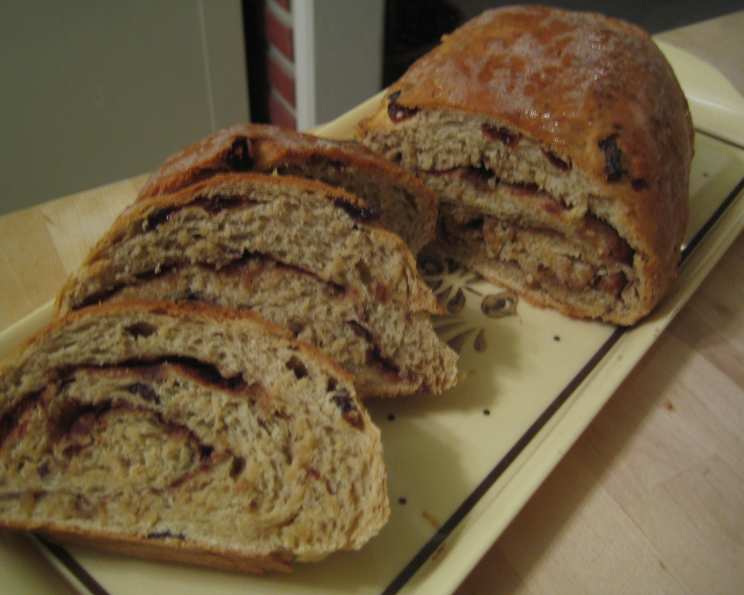
Cinnamon Oatmeal Bread: A Slice of Nostalgia
I remember the first time I tasted truly exceptional bread. It wasn’t some fancy sourdough from a trendy bakery, but a humble loaf of cinnamon oatmeal bread made by my grandmother. The scent alone – warm oats mingling with cinnamon and a touch of sweetness – transported me back to her cozy kitchen. It was more than just bread; it was a symbol of her love, a comfort food that wrapped you in a warm hug. That memory has inspired me to recreate that same comforting experience for others, and this recipe comes remarkably close.
Recipe Overview
- Prep Time: 2 hours
- Cook Time: 40 minutes
- Total Time: 2 hours 40 minutes
- Yields: 2 loaves
- Dietary Type: Vegetarian
Ingredients
- 1 1⁄2 cups rolled oats
- 1 1⁄2 cups boiling water
- 3 tablespoons butter
- 3 tablespoons honey
- 1 tablespoon brown sugar
- 2 teaspoons salt
- 1⁄2 cup raisins
- 1 (1/4 ounce) package yeast
- 2 eggs, room temperature
- 4-5 cups flour, approximately
- 3 tablespoons butter, melted
- 1 cup sugar
- 2 tablespoons cinnamon
Equipment Needed
- 2 medium loaf pans (greased or non-stick)
- Large mixing bowl
- Wooden spoon or stand mixer with flat beater and dough hook
- Plastic wrap or kitchen towel
- Rolling pin
- Wax paper
- Metal cooling rack
Instructions
-
Prepare two medium loaf pans by greasing them generously or spraying with non-stick cooking spray. This will ensure the bread releases easily after baking.
-
In a large bowl, combine the rolled oats and boiling water. Stir well to ensure all the oats are moistened. This initial step softens the oats, creating a wonderfully moist and tender crumb in the final bread.
-
Add the butter, honey, brown sugar, salt, and raisins to the oat mixture. Stir to blend all ingredients thoroughly. The residual heat from the oats will help melt the butter and dissolve the sugars.
-
Let the mixture cool until it reaches a temperature of no more than 130°F (54°C). This is crucial because temperatures above this can kill the yeast. A kitchen thermometer is your best friend here, but if you don’t have one, err on the side of caution and let it cool longer.
-
Add the yeast to the cooled oat mixture and stir gently. Allow the yeast to sit for about 5 minutes. This allows it to proof, ensuring it’s alive and ready to leaven the bread.
-
Add the eggs (at room temperature) and two cups of flour. Room temperature eggs incorporate more easily and contribute to a smoother dough.
-
Using a wooden spoon or the flat beater attachment of a stand mixer, stir the mixture vigorously for 2-3 minutes. This step develops some initial gluten, helping to create a sturdy structure in the bread.
-
Gradually work in the remaining flour, about 1/2 cup at a time, using a spoon initially, then switching to your hands or the dough hook of your mixer. The amount of flour you need might vary slightly depending on humidity and the type of flour you’re using.
-
The dough will transform into a soft, cohesive mass that can be picked up and placed on a work surface, or left to knead under the dough hook. Avoid adding too much flour; the dough should still be slightly tacky, but not sticky.
-
Knead the dough with a strong push-turn-fold rhythm for approximately 8 minutes. If the dough is slack or wet and sticky, add flour sparingly. If using a stand mixer with a dough hook, add sprinkles of flour as needed to prevent the dough from clinging to the sides of the bowl. Kneading develops the gluten, resulting in a light and airy loaf.
-
First Rising: Place the dough in a buttered bowl, turning to coat the entire surface. Cover the bowl with plastic wrap or a clean kitchen towel to prevent the dough from drying out.
-
Set the dough aside to rise at room temperature until it has doubled in bulk, approximately 1 hour. The rising time may be shorter if using rapid-rise yeast. This fermentation process is essential for developing flavor and texture.
-
Shaping: Turn the risen dough out onto a lightly floured surface and divide it into two equal pieces.
-
Using your hands and a rolling pin, shape each piece into a rectangle, approximately 8 inches wide and 12 inches long. Aim for a uniform thickness to ensure even baking.
-
Generously butter the surface of each rectangle with the melted butter.
-
Sprinkle the buttered dough with sugar and cinnamon, ensuring even coverage. The cinnamon-sugar mixture adds a delightful swirl of flavor and sweetness to the bread.
-
Roll up each rectangle tightly, as you would for a jelly roll, and press the seams securely together to prevent them from opening during baking.
-
Place each rolled loaf, seam-down, into the prepared loaf pans, gently pushing the dough into the corners and ends to fill the pan evenly.
-
Second Rising: Cover the pans loosely with wax paper to prevent a skin from forming on the dough’s surface.
-
Allow the loaves to rise again until the center of the dough rises just above the edge of the pan, approximately 45 minutes. This final rise contributes to the bread’s final texture.
-
Preheat the oven to 375°F (190°C) about 20 minutes before baking to ensure it is fully heated when the loaves are ready to bake.
-
Bake the loaves on the middle rack of the oven until the crusts are nicely browned, about 40 minutes. I recommend checking the loaves after 30 minutes to prevent overbaking.
-
To check for doneness, tap the bottom crust of the loaves. The bottom crust may be sticky from the melted sugar, but it should sound hard and hollow when tapped. An internal temperature of 200-210°F (93-99°C) indicates the bread is fully baked.
-
When the loaves are removed from the oven, brush them with melted butter. This will create a beautiful, glossy crust.
-
Turn the loaves out onto a metal rack to cool completely before slicing and serving. Cooling on a rack allows air to circulate, preventing the bottom crust from becoming soggy.
Expert Tips & Tricks
- For an extra touch of sweetness, consider adding a simple glaze of powdered sugar and milk after the bread has cooled.
- If you don’t have raisins on hand, chopped dried cranberries or other dried fruits work beautifully.
- To ensure a perfect rise, create a warm, humid environment by placing the dough in a slightly warmed oven (turned off) with a pan of hot water underneath.
- For a richer flavor, use browned butter instead of melted butter for brushing the dough.
Serving & Storage Suggestions
Serve this Cinnamon Oatmeal Bread warm or at room temperature. It’s delicious on its own, toasted with butter, or as a base for French toast. For storage, wrap the cooled loaves tightly in plastic wrap or place them in an airtight container. At room temperature, it will last for 2-3 days. Refrigerated, it will keep for up to a week. For longer storage, freeze the bread for up to 2 months. Thaw completely at room temperature before serving. Reheat in a low oven or toaster for the best texture.
Nutritional Information
| Nutrient | Amount per Serving | % Daily Value |
|---|---|---|
| Calories | 2167.7 kcal | N/A |
| Calories from Fat | 417 g | 19% |
| Total Fat | 46.4 g | 71% |
| Saturated Fat | 24.6 g | 122% |
| Cholesterol | 303.1 mg | 101% |
| Sodium | 2663.3 mg | 110% |
| Total Carbohydrate | 400 g | 133% |
| Dietary Fiber | 18.6 g | 74% |
| Sugars | 156 g | 623% |
| Protein | 45 g | 90% |
Note: Nutritional information is an estimate and can vary based on specific ingredients and serving sizes.
Variations & Substitutions
- Vegan Cinnamon Oatmeal Bread: Substitute the butter with a vegan butter alternative and replace the eggs with flax eggs (1 tablespoon ground flaxseed mixed with 3 tablespoons of water per egg). Use maple syrup instead of honey.
- Spiced Apple Cinnamon Oatmeal Bread: Add 1 cup of finely diced apples and 1 teaspoon of apple pie spice to the dough.
- Nutty Cinnamon Oatmeal Bread: Incorporate 1/2 cup of chopped walnuts or pecans into the dough for added texture and flavor.
- Gluten-Free Option: Substitute the all-purpose flour with a gluten-free bread flour blend, but be aware that the texture may be slightly different. You might need to add a binding agent like xanthan gum.
FAQs (Frequently Asked Questions)
Q: Why is my bread so dense?
A: Over-kneading or not allowing the dough to rise sufficiently can result in a dense loaf. Ensure you knead for the correct amount of time and allow ample time for both the first and second rise.
Q: Can I use instant yeast instead of active dry yeast?
A: Yes, you can substitute instant yeast (also known as rapid-rise yeast) for active dry yeast. However, you may not need to proof it beforehand, and the rising times may be shorter.
Q: How do I prevent the bottom of my bread from getting too sticky?
A: Make sure your oven is preheated correctly, and bake the bread on the middle rack. If the bottom still appears sticky, you can place a baking sheet underneath the loaf pan to shield it from direct heat.
Q: Can I make the dough ahead of time and bake it later?
A: Yes, you can refrigerate the dough after the first rise for up to 24 hours. Allow the dough to come to room temperature for about 30 minutes before shaping and continuing with the recipe.
Q: What if I don’t have raisins?
A: If you don’t have raisins, you can leave them out entirely or substitute them with another dried fruit like dried cranberries, chopped dates, or chopped apricots.
Final Thoughts
This Cinnamon Oatmeal Bread is more than just a recipe; it’s an invitation to create a warm, comforting experience in your own kitchen. The aroma alone is enough to fill your home with joy, and the taste is simply irresistible. I encourage you to try this recipe and share it with your loved ones. I’d love to hear your feedback – let me know how it turns out and any variations you try! Pair it with a warm cup of coffee or tea for the perfect cozy treat. Happy baking!