
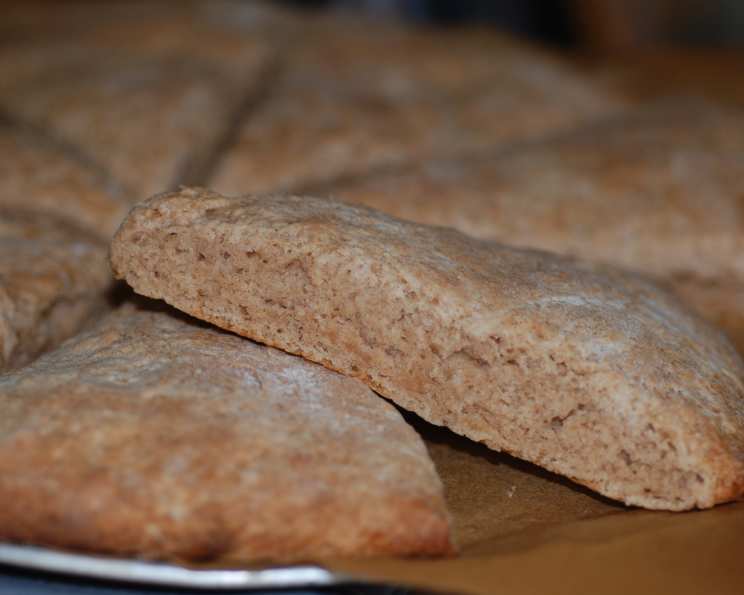
The Comfort of Cinnamon: Baking the Perfect Scone
The scent of cinnamon, warm butter, and baking dough—it’s a sensory symphony that instantly transports me back to my grandmother’s kitchen. I can almost see her now, flour dusting her apron as she expertly kneaded dough for what seemed like an eternity. Those were the days of simple pleasures, the kind you can almost taste in every bite of a perfectly baked scone. This recipe is my attempt to capture that memory, that feeling of warmth and simple happiness.
Recipe Overview
- Prep Time: 15 minutes
- Cook Time: 20-23 minutes
- Total Time: 35-38 minutes
- Servings: 8
- Yield: 8 scones
- Dietary Type: Vegetarian
Ingredients
- 2 ¼ cups flour
- ⅓ cup sugar
- ¼ cup brown sugar, packed
- 1 tablespoon baking powder
- 2 teaspoons cinnamon
- ¼ teaspoon salt
- ½ cup (1 stick) butter, cold and cubed
- ⅔ cup milk
- 1 egg, slightly beaten
- 1 teaspoon vanilla extract
Equipment Needed
- Large mixing bowl
- Small mixing bowl
- Measuring cups and spoons
- Baking sheet
- Parchment paper or silicone mat
- Pastry blender or your hands
- Knife or pastry cutter
Instructions
-
Preheat your oven to 400 degrees F (200 degrees C). Ensure your oven rack is positioned in the center.
-
In a large mixing bowl, whisk together the flour, sugar, brown sugar, baking powder, cinnamon, and salt. This ensures even distribution of the leavening agent and spices.
-
Add the cold, cubed butter to the dry ingredients. Using a pastry blender or your fingertips, cut or rub the butter into the flour mixture until it resembles coarse crumbs. It’s crucial to keep the butter cold to achieve a flaky scone. You should still see small chunks of butter throughout the mixture.
-
In a separate small bowl, whisk together the milk, slightly beaten egg, and vanilla extract. Combine until just blended.
-
Pour the wet ingredients into the bowl with the flour and butter mixture. Gently stir until just combined. Be careful not to overmix; this will result in tough scones. The dough will be shaggy and slightly sticky – this is exactly what you want!
-
Lightly flour your work surface and place the dough onto it. Gently pat the dough into a circle, approximately 8-9 inches in diameter and about ½ inch thick. The dough may be sticky, so use a bit more flour if needed.
-
Line a baking sheet with parchment paper or a silicone mat. This will prevent the scones from sticking and make for easy cleanup.
-
Using a sharp knife or a pastry cutter, cut the circle of dough into 8 even wedges, like you would slice a pizza.
-
Carefully transfer the scone wedges to the prepared baking sheet, spacing them about an inch apart. This allows for even baking and prevents them from sticking together as they expand.
-
Bake in the preheated oven for 20-23 minutes, or until the scones are golden brown on top and cooked through. A toothpick inserted into the center of a scone should come out clean.
-
Remove the scones from the oven and let them cool on the baking sheet for a few minutes before transferring them to a wire rack to cool completely.
Expert Tips & Tricks
- Keep ingredients cold: The key to flaky scones is cold butter. You can even chill the flour mixture and milk before combining.
- Don’t overmix: Overmixing develops the gluten in the flour, resulting in tough scones. Mix until just combined.
- Adjust flour as needed: Humidity can affect the dough. If it’s too sticky, add a tablespoon of flour at a time until it’s manageable. On a very humid day, you may need to add up to ¼ cup of extra flour.
- Egg Wash: For a shinier, more golden crust, brush the tops of the scones with an egg wash (1 egg beaten with 1 tablespoon of milk or water) before baking.
- Freeze for later: You can freeze unbaked scones for up to 2 months. Freeze them on a baking sheet until solid, then transfer them to a freezer bag. Bake from frozen, adding a few extra minutes to the baking time.
- Flavor Boost: Add a pinch of nutmeg or cardamom to the dough for an extra layer of warmth.
Serving & Storage Suggestions
Serve these cinnamon scones warm, ideally fresh from the oven, with a dollop of clotted cream, a smear of your favorite jam, or a drizzle of honey. They’re also delightful with a cup of hot coffee or tea.
Store leftover scones in an airtight container at room temperature for up to 2 days. For longer storage, freeze them in a freezer bag for up to 2 months. To reheat, warm them in a 350°F (175°C) oven for about 5-10 minutes, or until heated through. You can also reheat them in the microwave, but they may become slightly softer.
Nutritional Information
| Nutrient | Amount per Serving | % Daily Value |
|---|---|---|
| Calories | 314 kcal | – |
| Calories from Fat | 118 | – |
| Total Fat | 13.2 g | 20% |
| Saturated Fat | 8 g | 40% |
| Cholesterol | 56.6 mg | 18% |
| Sodium | 331.8 mg | 13% |
| Total Carbohydrate | 43.9 g | 14% |
| Dietary Fiber | 1.3 g | 5% |
| Sugars | 15.2 g | – |
| Protein | 5.2 g | 10% |
Note: Nutritional information is an estimate and may vary based on specific ingredients and portion sizes.
Variations & Substitutions
- Gluten-Free: Substitute the all-purpose flour with a gluten-free blend designed for baking. You may need to add a little extra liquid to compensate for the different absorption properties of gluten-free flours.
- Dairy-Free: Replace the butter with a non-dairy butter alternative and the milk with almond, soy, or oat milk.
- Spice it up: Add a pinch of ground ginger or cloves along with the cinnamon for a warmer, more complex flavor.
- Add-ins: Mix in ½ cup of chopped nuts, dried cranberries, or chocolate chips to the dough for added texture and flavor.
- Lemon Zest: Add the zest of one lemon to the dry ingredients for a bright, citrusy twist.
FAQs (Frequently Asked Questions)
Q: Why are my scones tough?
A: Overmixing the dough is the most common cause of tough scones. Mix the wet and dry ingredients until just combined.
Q: Can I make the dough ahead of time?
A: Yes, you can make the dough ahead of time and store it in the refrigerator for up to 24 hours. Wrap it tightly in plastic wrap to prevent it from drying out.
Q: How do I get my scones to rise higher?
A: Make sure your baking powder is fresh and that you’re not overmixing the dough. Cold ingredients also help with rise.
Q: Can I use self-rising flour?
A: If you use self-rising flour, omit the baking powder in the recipe.
Q: What if I don’t have brown sugar?
A: You can substitute with granulated sugar, but the brown sugar adds a depth of flavor and moisture. If you must substitute, add a tablespoon of molasses to the granulated sugar.
Final Thoughts
Baking these cinnamon scones is more than just following a recipe; it’s about creating a moment of comfort and connection. The simple act of measuring, mixing, and baking transforms basic ingredients into something truly special. I encourage you to try this recipe, experiment with your own variations, and share the warmth and joy of homemade scones with your loved ones. And if you happen to make these on a rainy day, remember to adjust the flour as needed—the dough will tell you what it needs. Happy baking!