
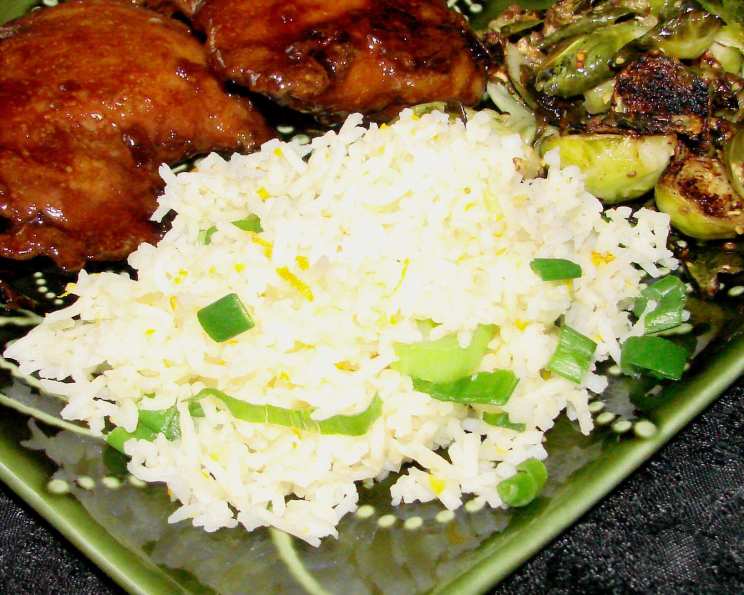
Citrus Jasmine Rice: Aromatic Perfection
The first time I tasted rice prepared with citrus zest, I was traveling through Southeast Asia. A tiny street vendor in Bangkok was serving up bowls of fragrant rice alongside grilled chicken skewers. The subtle citrus notes elevated the entire dish, cutting through the richness of the meat and adding a layer of freshness that I couldn’t get enough of. This Citrus Jasmine Rice recipe recreates that delightful experience, bringing a touch of the exotic to your own kitchen.
Recipe Overview
- Prep Time: 5 minutes
- Cook Time: 20 minutes
- Total Time: 25 minutes
- Servings: 2-4
- Dietary Type: Vegetarian
Ingredients
- 1 cup jasmine rice
- Water, according to package instructions
- 1 teaspoon chicken bouillon granule
- ¼ – ½ teaspoon salt (or to taste)
- ½ orange, zest of
- 1 lemon, zest of (small)
- One garlic clove, smashed (optional)
- ¼ cup green onion, sliced thin (optional)
Equipment Needed
- Lidded saucepan
- Measuring cups and spoons
- Zester
- Fork
Instructions
- Begin by thoroughly rinsing the jasmine rice several times under cold water until the water runs clear. This removes excess starch, preventing the rice from becoming sticky during cooking. Drain the rice completely.
- In a lidded saucepan, bring the water (according to package instructions for your brand of jasmine rice) to a rolling boil. The amount of water may vary slightly depending on the rice you use, so refer to the package directions for best results.
- Once the water is boiling, stir in the rinsed rice, chicken bouillon granule, salt, orange zest, lemon zest, and the optional smashed garlic clove. Stir well to ensure the bouillon granule is fully dissolved.
- Cover the saucepan tightly, reduce the heat to low, and simmer for about 20 minutes, or until all the water has been absorbed. Resist the urge to lift the lid or stir the rice during the cooking process. This is crucial for achieving perfectly cooked, fluffy grains. Stirring can release starch and result in gummy rice.
- After 20 minutes (or when the water is absorbed), remove the saucepan from the heat and let it stand, covered, for 5-10 minutes. This allows the steam to redistribute evenly throughout the rice, further improving the texture.
- Finally, remove the lid and fluff the rice gently with a fork. If using, stir in the sliced green onions. Serve immediately and enjoy the fragrant flavors!
Expert Tips & Tricks
- Zesting for Maximum Flavor: When zesting the orange and lemon, be careful to only remove the outer layer of the peel, avoiding the white pith underneath. The pith can be bitter and detract from the overall flavor. A microplane zester works wonders for this task.
- Bouillon Variations: While chicken bouillon adds a savory depth, you can substitute vegetable bouillon for a vegetarian version. You can also omit the bouillon altogether and simply increase the salt to taste.
- Garlic Infusion: If you choose to use the smashed garlic clove, remember to remove it after the rice is cooked. The garlic is there to infuse the rice with its aroma, not to be eaten directly.
- Rice-to-Water Ratio: The ideal rice-to-water ratio can vary slightly depending on the type of jasmine rice you use. Check the package instructions for the most accurate guidelines.
- Perfectly Cooked Rice: A simple trick to check if your rice is perfectly cooked is to tilt the pot slightly. If there’s no standing water at the bottom, it’s ready. The grains should be tender and separate, not mushy or hard. If the rice is still too firm, add a tablespoon or two of water and continue to simmer for a few more minutes.
- Preventing Sticky Rice: Thoroughly rinsing the rice before cooking is the best way to prevent it from becoming sticky. You can also add a teaspoon of oil to the cooking water.
Serving & Storage Suggestions
This Citrus Jasmine Rice is incredibly versatile and pairs well with a wide range of dishes. It’s a fantastic accompaniment to grilled meats, fish, or tofu. It also works beautifully in stir-fries, rice bowls, or as a base for salads.
To store leftover rice, allow it to cool completely before transferring it to an airtight container. Leftover rice can be stored in the refrigerator for up to 3 days.
To reheat, you can microwave it with a tablespoon of water per cup of rice, covered, for 1-2 minutes, or until heated through. Alternatively, you can reheat it in a saucepan over low heat with a little water, stirring occasionally.
Freezing cooked rice is also an option. Spread the cooked rice in a thin layer on a baking sheet and freeze until solid. Then, transfer the frozen rice to a freezer bag or container. Frozen rice can be stored for up to 2 months. To reheat, microwave directly from frozen with a little water.
Nutritional Information
| Nutrient | Amount per Serving | % Daily Value |
|---|---|---|
| Calories | 344.9 kcal | N/A |
| Calories from Fat | 5 g | 2% |
| Total Fat | 0.7 g | 1% |
| Saturated Fat | 0.1 g | 0% |
| Cholesterol | 0.1 mg | 0% |
| Sodium | 535.9 mg | 22% |
| Total Carbohydrate | 75.7 g | 25% |
| Dietary Fiber | 2.6 g | 10% |
| Sugars | 0.2 g | 0% |
| Protein | 6.5 g | 12% |
Note: Nutritional information is an estimate and may vary based on specific ingredients and portion sizes.
Variations & Substitutions
- Coconut Milk: For a richer, more fragrant rice, substitute half of the water with coconut milk. This adds a subtle sweetness and creamy texture that complements the citrus flavors beautifully.
- Lime Zest: Replace the lemon zest with lime zest for a slightly different citrus profile.
- Ginger: Add a small piece of grated ginger to the rice along with the other ingredients for a warm, spicy note.
- Herbs: Experiment with adding other fresh herbs, such as cilantro or basil, to the rice after cooking.
- Spicy Kick: For a bit of heat, add a pinch of red pepper flakes to the rice during cooking.
- Saffron: A pinch of saffron threads added to the rice will impart a beautiful golden color and a delicate, floral aroma.
FAQs (Frequently Asked Questions)
Q: Can I use brown rice instead of jasmine rice?
A: While you can substitute brown rice, keep in mind that it requires a longer cooking time and more water than jasmine rice. Adjust the cooking time and water accordingly, following the instructions on the brown rice package. The citrus flavor will still be delicious, but the texture will be different.
Q: Is it necessary to rinse the rice?
A: Yes, rinsing the rice is highly recommended as it removes excess starch, preventing the rice from becoming sticky during cooking. Rinse until the water runs clear.
Q: Can I make this recipe without the chicken bouillon?
A: Absolutely! Simply omit the chicken bouillon and increase the salt to taste. You can also substitute vegetable bouillon for a vegetarian option.
Q: How can I prevent the rice from burning on the bottom of the pan?
A: Ensure that you are using low heat and a tightly fitting lid. Also, avoid lifting the lid or stirring the rice during the cooking process.
Q: What do I do if the rice is still too wet after 20 minutes?
A: If the rice is still too wet after the specified cooking time, remove the lid and continue to simmer over low heat until the excess water has evaporated.
Final Thoughts
This Citrus Jasmine Rice is a simple yet elegant dish that elevates any meal. The bright citrus notes and fragrant jasmine rice create a delightful combination that is both refreshing and satisfying. I encourage you to try this recipe and experiment with different variations to find your own perfect blend of flavors. Don’t hesitate to share your feedback and let me know how it turns out! This rice is also wonderful served alongside grilled shrimp or a simple vegetable curry. Enjoy!