
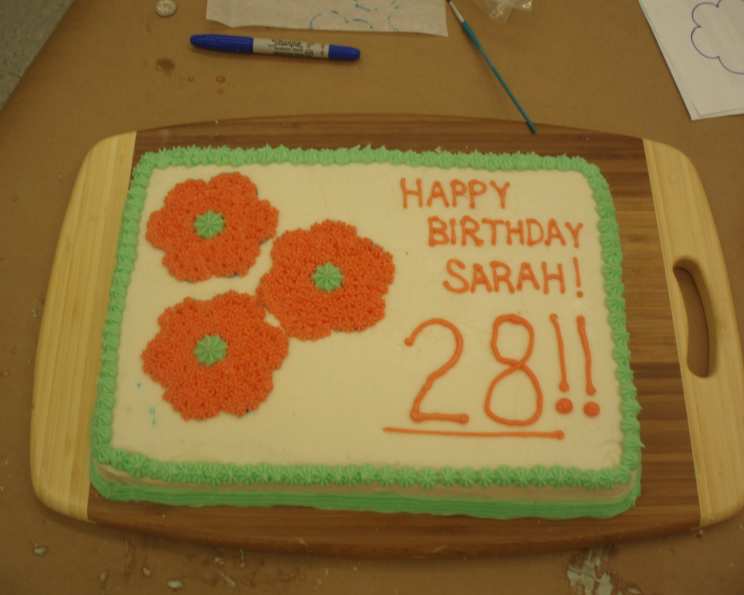
The Enduring Elegance of Classic Buttercream Frosting
I remember the first time I truly appreciated buttercream. It wasn’t just a sweet topping; it was an art form. My grandmother, a woman whose hands seemed to hold the secrets to all things delicious, would let me stand on a stool beside her as she whipped up this magical concoction. The rhythmic whir of the mixer, the cloud of powdered sugar dusting the air, the anticipation of that first taste – those are memories etched in my mind, forever linked to the simple perfection of classic buttercream. This recipe is her legacy, passed down and cherished through generations.
Recipe Overview
- Prep Time: 15 minutes
- Total Time: 15 minutes
- Servings: Varies depending on use
- Yield: Enough to frost a 9×13 inch cake or a 2-layer 8-inch cake
- Dietary Type: Vegetarian
Ingredients
- ¾ cup unsalted butter, softened
- ¼ cup shortening
- ½ cup milk
- ¼ teaspoon salt
- 1 ½ teaspoons vanilla extract
- 2 lbs confectioners’ sugar (powdered sugar)
Equipment Needed
- Large mixing bowl
- Electric mixer (stand mixer or hand mixer)
- Rubber spatula
- Plastic wrap
Instructions
- In a large mixing bowl, combine the ¾ cup of softened unsalted butter, ¼ cup of shortening, ½ cup of milk, ¼ teaspoon of salt, and 1 ½ teaspoons of vanilla extract. Ensure the butter is properly softened for a smooth frosting.
- Add one pound of the confectioners’ sugar (powdered sugar) to the bowl.
- Begin mixing on low speed until the ingredients are combined. This prevents the sugar from flying everywhere.
- Gradually add the remaining one pound of confectioners’ sugar, continuing to mix on low speed. Add the sugar slowly to ensure it incorporates evenly.
- Stop the mixer and use a rubber spatula to scrape down the sides of the bowl. This ensures that all ingredients are fully incorporated.
- Increase the mixer speed to high and beat until the mixture is light and fluffy. This should take about 3-5 minutes. Watch the texture carefully; you want it to be smooth and airy.
- If the buttercream seems too thick, add a tablespoon of milk at a time until you reach the desired consistency. If it’s too thin, add a few tablespoons of confectioners’ sugar.
- To prevent crusting, keep the buttercream covered with plastic wrap until ready to use. Press the plastic wrap directly onto the surface of the frosting.
Expert Tips & Tricks
- Softened Butter is Key: Using softened, but not melted, butter is crucial for a smooth and creamy buttercream. Take the butter out of the refrigerator at least an hour before starting.
- Sifting the Sugar: Sifting the confectioners’ sugar before adding it to the mixture can help prevent lumps and create an even smoother frosting.
- Flavor Boost: Enhance the flavor of your buttercream by using different extracts. Almond, lemon, or peppermint extract can add a unique twist.
- Coloring Buttercream: Use gel food coloring for the best results. Gel colors are more concentrated than liquid colors, so you’ll need less to achieve vibrant shades. Add the color a little at a time until you reach your desired shade.
- Troubleshooting: If your buttercream appears curdled, it’s likely due to temperature differences between the ingredients. Continue beating the mixture; it should come back together. You can also gently warm the sides of the bowl with a hairdryer while mixing.
Serving & Storage Suggestions
Classic buttercream frosting is incredibly versatile. It’s perfect for frosting cakes, cupcakes, cookies, and even filling pastries. For a beautiful presentation, use piping bags and decorative tips to create elegant designs.
- Room Temperature: Buttercream frosting can sit at room temperature for up to 2 days, especially if it’s been made with shortening in addition to butter. However, in warmer climates, it’s best to refrigerate it.
- Refrigerator: Store leftover buttercream in an airtight container in the refrigerator for up to a week. Allow it to come to room temperature before re-whipping it to restore its fluffy texture.
- Freezer: For longer storage, buttercream can be frozen for up to 3 months. Thaw it in the refrigerator overnight and then re-whip it before using.
Nutritional Information
Note: Nutritional information is an estimate and can vary based on specific ingredients and serving sizes.
| Nutrient | Amount per Serving (approx. 1/12 of total) | % Daily Value |
|---|---|---|
| Calories | 331 kcal | 17% |
| Total Fat | 16g | 25% |
| Saturated Fat | 10g | 50% |
| Cholesterol | 41mg | 14% |
| Sodium | 42mg | 2% |
| Total Carbohydrate | 49g | 16% |
| Dietary Fiber | 0g | 0% |
| Sugars | 48g | |
| Protein | 0g | 0% |
Variations & Substitutions
- Chocolate Buttercream: As the original recipe suggests, for each pound of sugar used in the buttercream, add ⅔ cup unsweetened cocoa, 3 tablespoons butter, and ⅛ teaspoon salt. Adjust the milk as needed for consistency.
- Vegan Buttercream: Substitute the butter with a high-quality vegan butter alternative and the milk with your favorite plant-based milk, like almond or soy milk. Be aware that some vegan butters may require slight adjustments to the amount of liquid needed.
- Brown Butter Buttercream: Brown the butter before making the buttercream. Let it cool and solidify slightly before whipping it with the other ingredients. This adds a nutty, caramel-like flavor.
- Citrus Buttercream: Add the zest and juice of a lemon, orange, or lime to the buttercream for a bright and refreshing twist. Reduce the amount of milk slightly to compensate for the added liquid from the citrus juice.
- Peanut Butter Buttercream: Add ½ to 1 cup of creamy peanut butter to the buttercream. Adjust the sugar and milk to taste.
- Coffee Buttercream: Dissolve instant coffee granules in a tablespoon or two of hot water and add it to the buttercream. Adjust the amount of coffee to your preference.
FAQs (Frequently Asked Questions)
Q: Why is my buttercream grainy?
A: A grainy texture usually indicates that the sugar wasn’t fully dissolved. Make sure to beat the buttercream for a sufficient amount of time and scrape down the sides of the bowl regularly.
Q: Can I use salted butter instead of unsalted butter?
A: While you can, it’s generally recommended to use unsalted butter so you can control the amount of salt in the recipe. If you use salted butter, omit the additional salt.
Q: How do I fix buttercream that is too sweet?
A: Add a pinch of salt or a tablespoon of lemon juice to balance the sweetness. You can also add a small amount of unsweetened cocoa powder for a chocolatey flavor that cuts through the sweetness.
Q: Why is my buttercream melting?
A: Buttercream can melt in warm temperatures. If you’re working in a hot environment, keep the buttercream refrigerated until you’re ready to use it. You can also add a tablespoon of cornstarch to help stabilize it.
Q: Can I make buttercream without shortening?
A: Yes, you can use all butter instead of shortening. The shortening helps to stabilize the buttercream and prevent it from melting as easily, but all-butter buttercream is delicious.
Final Thoughts
This classic buttercream frosting is more than just a recipe; it’s a foundation for countless culinary creations. Whether you’re a seasoned baker or just starting out, I encourage you to try this recipe and make it your own. Experiment with different flavors, colors, and decorations, and don’t be afraid to get creative. Share your creations with friends and family, and let the simple joy of homemade buttercream bring a little sweetness to their day. And please, let me know how your baking goes! I would love to hear of the new family memories you’re creating.