
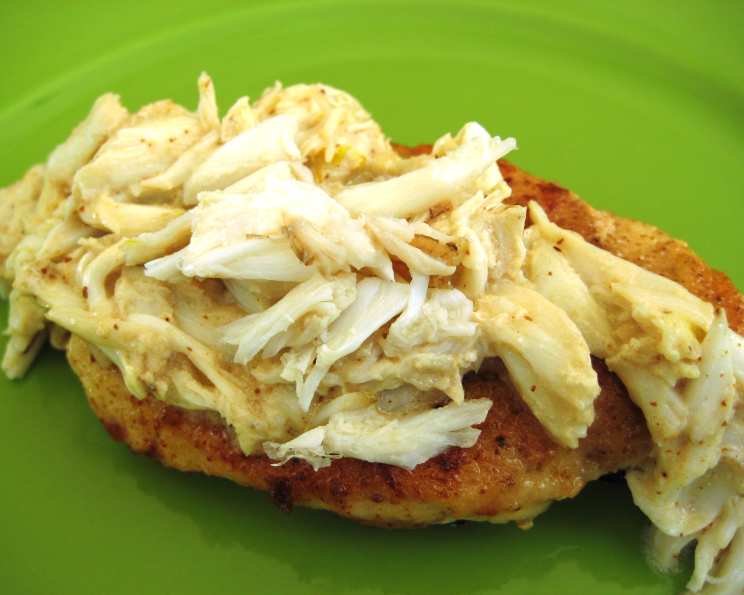
Classic Chicken Maryland: A Culinary Embrace from My Childhood
The aroma of Chicken Maryland instantly transports me back to my grandmother’s bustling kitchen. I can almost see her, apron dusted with flour, carefully dredging chicken pieces before gently browning them in a pan filled with sizzling butter and oil. The sweet scent of cream and the subtle tang of Dijon mustard mingled in the air, a promise of comfort and satisfaction. It wasn’t just a meal; it was an experience – a warm embrace of family, tradition, and, of course, exquisite flavor. This dish, simple yet elegant, holds a special place in my heart, and I’m thrilled to share my take on this classic.
Recipe Overview
- Prep Time: 15 minutes
- Cook Time: 25 minutes
- Total Time: 40 minutes
- Servings: 2
- Dietary Type: Not Gluten-Free
Ingredients
- 8 ounces chicken breasts, boneless, skinless
- 1/4 cup flour
- 1 tablespoon olive oil
- 1 tablespoon butter
- 8 ounces heavy cream
- 4 ounces white wine
- 2 teaspoons Dijon mustard
- Salt and pepper to taste
- 4 ounces lump crabmeat
Equipment Needed
- Medium skillet
- Knife
- Cutting board
Instructions
-
In a medium skillet, melt butter and heat together with olive oil over medium heat. This combination adds both richness and a higher smoke point to prevent burning.
-
While the fats are heating, prepare the chicken. Fillet the chicken breasts horizontally to create thinner cutlets. This helps them cook more quickly and evenly.
-
In a shallow dish, place the flour. Season generously with salt and pepper to your liking. You can also add a pinch of garlic powder for extra flavor, if desired. Dredge each chicken breast in the seasoned flour, ensuring it’s fully coated. Shake off any excess flour to prevent a gummy texture.
-
Once the butter and oil are hot, carefully add the floured chicken breasts to the skillet. Be careful not to overcrowd the pan; cook in batches if necessary to ensure proper browning.
-
Sauté the chicken in the hot butter/oil until golden brown on both sides, approximately 7 minutes per side. Use a spatula to gently flip the chicken. The internal temperature of the chicken should reach 165°F (74°C).
-
Once the chicken is cooked through and browned, add the heavy cream, white wine, and Dijon mustard to the skillet. The white wine will deglaze the pan, lifting any browned bits from the bottom and adding depth of flavor to the sauce.
-
Season the sauce with salt and pepper to taste. Gently stir to combine all the ingredients.
-
Add the lump crabmeat to the skillet. Be careful not to overstir, as the crabmeat can break apart easily.
-
Reduce the heat to low and simmer for 5 minutes, allowing the sauce to thicken slightly and the flavors to meld together.
-
Serve immediately. For a more rustic presentation, if serving over biscuits, remove the chicken from the pan after browning and dice into bite-sized chunks. Return the diced chicken to the pan and proceed with the rest of the instructions as written. This ensures the chicken is coated evenly with the sauce.
Expert Tips & Tricks
- For a richer sauce, consider using a dry sherry instead of white wine.
- To prevent the cream from curdling, do not boil the sauce vigorously. Simmer gently.
- If the sauce is too thin, thicken it with a cornstarch slurry (1 tablespoon cornstarch mixed with 2 tablespoons cold water). Add the slurry to the sauce while simmering, stirring constantly until thickened.
- Fresh herbs like parsley or thyme can add a bright, aromatic touch to the dish. Stir them in at the end of cooking.
- If you don’t have lump crabmeat, you can substitute it with other types of crabmeat, but lump crabmeat offers the best flavor and texture. Imitation crabmeat can also be used as a budget-friendly option.
Serving & Storage Suggestions
Chicken Maryland is traditionally served over rice, pasta, or biscuits. The creamy sauce is perfect for soaking into these starches. A side of steamed green beans or asparagus adds a fresh, vibrant contrast to the richness of the dish.
Leftovers should be stored in an airtight container in the refrigerator. They will keep for up to 3 days. To reheat, gently warm in a saucepan over low heat, stirring occasionally, or microwave on low power. Be careful not to overheat, as the sauce may separate. Freezing is not recommended, as the cream sauce may become grainy upon thawing.
Nutritional Information
| Nutrient | Amount per Serving | % Daily Value* |
|---|---|---|
| Calories | 907 kcal | N/A |
| Calories from Fat | 612 kcal | N/A |
| Total Fat | 68 g | 104% |
| Saturated Fat | 35 g | 175% |
| Cholesterol | 294 mg | 98% |
| Sodium | 432 mg | 18% |
| Total Carbohydrate | 18 g | 6% |
| Dietary Fiber | 1 g | 2% |
| Sugars | 1 g | N/A |
| Protein | 41 g | 81% |
*Percent Daily Values are based on a 2,000 calorie diet. Your daily values may be higher or lower depending on your calorie needs.
Variations & Substitutions
- Gluten-Free: Substitute the all-purpose flour with a gluten-free flour blend for a gluten-free version.
- Dairy-Free: While it will significantly alter the flavor, you could try using a full-fat coconut cream instead of heavy cream, but be mindful that it will impart a coconut flavor.
- Seafood Variation: Substitute shrimp or scallops for the crabmeat for a different seafood twist.
- Spicy Kick: Add a pinch of red pepper flakes or a dash of hot sauce to the sauce for a spicy kick.
- Vegetable Additions: Sauté some mushrooms or bell peppers along with the chicken for added nutrients and flavor.
FAQs (Frequently Asked Questions)
Q: Can I use chicken thighs instead of chicken breasts?
A: Yes, you can. Chicken thighs will add more flavor and remain more moist during cooking. Adjust the cooking time accordingly to ensure they are cooked through.
Q: Can I make this ahead of time?
A: You can prepare the sauce ahead of time and store it in the refrigerator. However, it is best to cook the chicken just before serving to prevent it from drying out.
Q: What if I don’t have white wine?
A: You can substitute chicken broth or apple cider vinegar in a pinch. If using apple cider vinegar, use only 2 tablespoons and add a teaspoon of sugar to balance the acidity.
Q: Can I use frozen crabmeat?
A: Yes, but make sure to thaw it completely and squeeze out any excess water before adding it to the sauce.
Q: How do I know when the chicken is done?
A: The chicken is done when it reaches an internal temperature of 165°F (74°C). Use a meat thermometer to check. The juices should also run clear when pierced with a fork.
Final Thoughts
I urge you to bring this classic Chicken Maryland into your kitchen and create your own memories with it. It’s a dish that transcends generations, offering comfort and elegance in every bite. Don’t be afraid to experiment with variations to make it your own. Share your creations and feedback; I’m eager to hear how this recipe becomes a part of your culinary story. Pair it with a crisp white wine or a refreshing salad for a complete and satisfying meal. Happy cooking!