
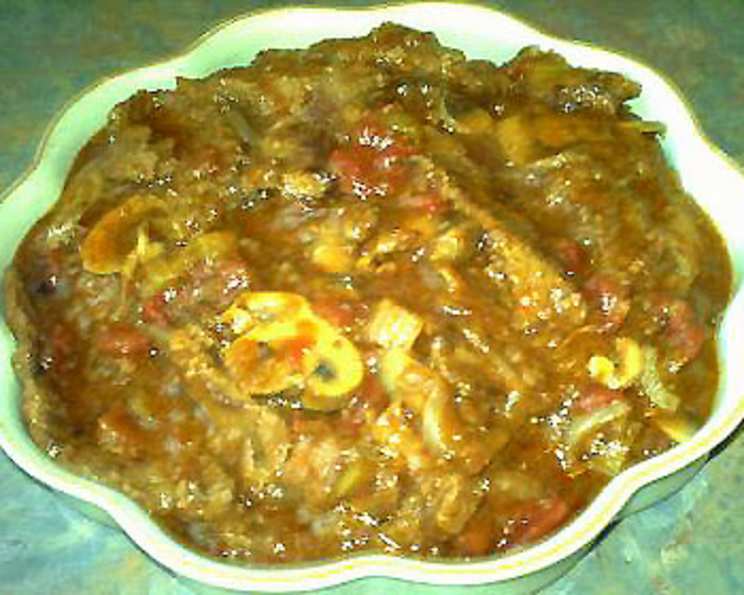
Classic Swiss Steak: A Taste of Home
The aroma alone transports me back to my grandmother’s kitchen. The low hum of the oven, the simmering scent of tomatoes and savory beef, and the promise of a hearty, comforting meal—Swiss steak was always a special occasion dish. It wasn’t fancy, but it was made with love, and every bite was a warm hug on a plate. I remember sneaking a taste of the tender, braised beef while she wasn’t looking, the rich sauce clinging to my fingers, a testament to the hours of slow cooking.
Recipe Overview
- Prep Time: 20 minutes
- Cook Time: 1 hour 50 minutes
- Total Time: 2 hours 10 minutes
- Servings: 6
- Yield: 6 servings
- Dietary Type: Gluten-Friendly (can be made gluten-free with gluten-free flour)
Ingredients
- 1⁄4 cup all-purpose flour (or gluten-free flour blend)
- 1⁄4 teaspoon black pepper
- 1⁄4 teaspoon salt
- 1 tablespoon canola oil
- 1 1⁄2 lbs round steaks, trimmed of all visible fat
- 1 teaspoon canola oil
- 2 teaspoons garlic, minced
- 1 cup celery, chopped
- 1 cup onion, sliced
- 1⁄2 lb fresh mushrooms, sliced (cremini or white button work well)
- 1 cup diced canned tomato
- 1 cup water
- 2 tablespoons steak sauce (such as A.1.)
Equipment Needed
- Cutting board
- Knife
- Meat mallet or rolling pin
- Waxed paper or plastic wrap
- Skillet
- 2-1/2 quart casserole dish or baking dish with a lid
Instructions
-
Preheat your oven to 350 degrees Fahrenheit (175 degrees Celsius). Make sure the oven rack is positioned in the center for even baking.
-
Prepare the steak: Place the round steaks between two sheets of waxed paper or plastic wrap. Using a meat mallet or rolling pin, pound the meat on each side to tenderize it. Pounding to about 1/4-inch thickness helps break down tough fibers and ensures a more tender final product.
-
Cut the pounded steak into bite-sized pieces, approximately 1-inch squares. This makes it easier to eat and helps the meat absorb the flavorful sauce.
-
Prepare the dredging mixture: In a shallow dish, combine the flour, pepper, and salt. Mix well to ensure the spices are evenly distributed throughout the flour.
-
Dredge the meat: Thoroughly coat each piece of steak in the flour mixture, pressing lightly to ensure the flour adheres. Shake off any excess flour. This coating will help create a beautiful crust when browning and will also thicken the sauce as it cooks.
-
Brown the meat: Heat 1 tablespoon of canola oil in a large skillet over medium-high heat. Once the oil is hot and shimmering, add the dredged steak in a single layer, working in batches if necessary to avoid overcrowding the pan. Brown the meat on all sides until it’s nicely seared. Browning the meat adds depth of flavor to the final dish through the Maillard reaction.
-
Drain and transfer: Remove the browned meat from the skillet and drain any excess oil. Place the meat in a 2-1/2 quart casserole dish or baking dish. Ensure the dish is oven-safe and has a lid.
-
Sauté the aromatics: Add the remaining 1 teaspoon of canola oil to the skillet. Reduce the heat to medium. Add the minced garlic, chopped celery, and sliced onion. Sauté for about 2 minutes, stirring frequently, until the vegetables begin to soften and the garlic is fragrant. Be careful not to burn the garlic.
-
Add the mushrooms: Add the sliced mushrooms to the skillet with the celery and onion. Continue to cook until the onions become translucent and the mushrooms have softened and released their moisture, about 5-7 minutes. Stir occasionally to prevent sticking.
-
Add the tomatoes: Add the diced canned tomatoes to the skillet with the sautéed vegetables. Mix thoroughly to combine. Cook for another minute or two, allowing the flavors to meld.
-
Layer the vegetables: Pour the vegetable mixture over the browned meat in the casserole dish, spreading it evenly over the top.
-
Prepare the sauce: In a separate bowl, combine the water and steak sauce. Mix well.
-
Pour the sauce: Pour the water and steak sauce mixture over the vegetables and meat in the casserole dish. Ensure that the liquid covers most of the ingredients.
-
Bake: Cover the casserole dish tightly with a lid or aluminum foil. Bake in the preheated oven at 350 degrees Fahrenheit (175 degrees Celsius) for 1 1/2 hours, or until the meat is very tender. Check for tenderness by piercing a piece of steak with a fork. It should be easily pierced and fall apart. If the meat is not tender after 1 1/2 hours, continue baking for an additional 15-30 minutes.
Expert Tips & Tricks
- Tenderizing the meat is key: Don’t skip the pounding step! It makes a huge difference in the final tenderness of the Swiss steak. If you don’t have a meat mallet, a rolling pin or even the bottom of a heavy saucepan will work in a pinch.
- Browning is essential: Don’t rush the browning process. A good sear adds depth of flavor that you can’t get any other way.
- Low and slow: The long, slow cooking time is what makes this dish so tender and flavorful. Resist the urge to increase the temperature to speed things up.
- Deglaze the pan: After browning the meat, you can deglaze the skillet with a splash of red wine or beef broth before adding the vegetables. This will loosen any browned bits from the bottom of the pan and add even more flavor to the sauce.
- Make ahead: Swiss steak is a great make-ahead dish. You can prepare it completely and store it in the refrigerator for up to 24 hours before baking. Just add an extra 15-20 minutes to the baking time to ensure it’s heated through.
Serving & Storage Suggestions
Serve your classic Swiss steak hot, right out of the oven. It’s traditionally served with mashed potatoes, rice, or egg noodles to soak up the delicious sauce. A side of steamed green beans or a simple salad provides a nice contrast.
Leftovers can be stored in an airtight container in the refrigerator for up to 3-4 days. To reheat, simply microwave until heated through, or warm it gently in a saucepan over low heat, adding a little water or broth if needed to prevent it from drying out. You can also freeze Swiss steak for up to 2-3 months. Thaw it overnight in the refrigerator before reheating.
Nutritional Information
| Nutrient | Amount per Serving | % Daily Value |
|---|---|---|
| Calories | 226 kcal | – |
| Calories from Fat | 70g | 31% |
| Total Fat | 7.8g | 12% |
| Saturated Fat | 1.8g | 8% |
| Cholesterol | 64.6mg | 21% |
| Sodium | 224.3mg | 9% |
| Total Carbohydrate | 10.3g | 3% |
| Dietary Fiber | 1.6g | 6% |
| Sugars | 3.1g | – |
| Protein | 28.3g | 56% |
Note: Nutritional information is an estimate and may vary based on specific ingredients and preparation methods.
Variations & Substitutions
- Gluten-Free: Use a gluten-free all-purpose flour blend instead of regular flour. Make sure your steak sauce is also gluten-free.
- Vegetarian “Swiss Steak”: Substitute the beef round steak with thick slices of portobello mushrooms or extra-firm tofu, pressed to remove excess water.
- Spicy Kick: Add a pinch of red pepper flakes or a dash of hot sauce to the vegetable mixture for a little heat.
- Wine Infusion: Deglaze the skillet with a dry red wine after browning the meat for a richer, more complex flavor.
- Herbaceous Twist: Add a sprig of fresh thyme or rosemary to the casserole dish during baking for an herbaceous aroma.
FAQs (Frequently Asked Questions)
Q: Can I use a different cut of beef?
A: While round steak is traditional, you can use chuck steak or even sirloin steak as a substitute. However, keep in mind that different cuts may require slightly different cooking times to achieve optimal tenderness.
Q: Can I make this in a slow cooker?
A: Yes, Swiss steak is easily adapted to a slow cooker. Brown the meat and sauté the vegetables as directed, then transfer everything to your slow cooker. Cook on low for 6-8 hours or on high for 3-4 hours, or until the meat is very tender.
Q: What if my sauce is too thin?
A: If the sauce is too thin after baking, you can thicken it by whisking together 1 tablespoon of cornstarch with 2 tablespoons of cold water. Stir the slurry into the sauce and cook over medium heat until thickened, about 1-2 minutes.
Q: Can I add other vegetables?
A: Absolutely! Feel free to add other vegetables such as carrots, bell peppers, or potatoes to the casserole dish. Just be sure to adjust the cooking time as needed to ensure the vegetables are cooked through.
Q: How do I prevent the meat from drying out?
A: Covering the casserole dish tightly with a lid or aluminum foil is crucial to prevent the meat from drying out during baking. If you notice the sauce is getting too thick, you can add a little extra water or beef broth.
Final Thoughts
Classic Swiss steak is more than just a recipe; it’s a memory, a tradition, a taste of home. It’s a dish that brings people together, and it’s surprisingly easy to make. Don’t be intimidated by the long cooking time – the result is well worth the effort. I encourage you to try this recipe and create your own memories around this comforting classic. Share your creations and feedback – I’d love to hear how it turns out! This pairs beautifully with a robust red wine, like a Cabernet Sauvignon or Merlot, and a crusty loaf of bread for soaking up every last drop of that delicious sauce.