
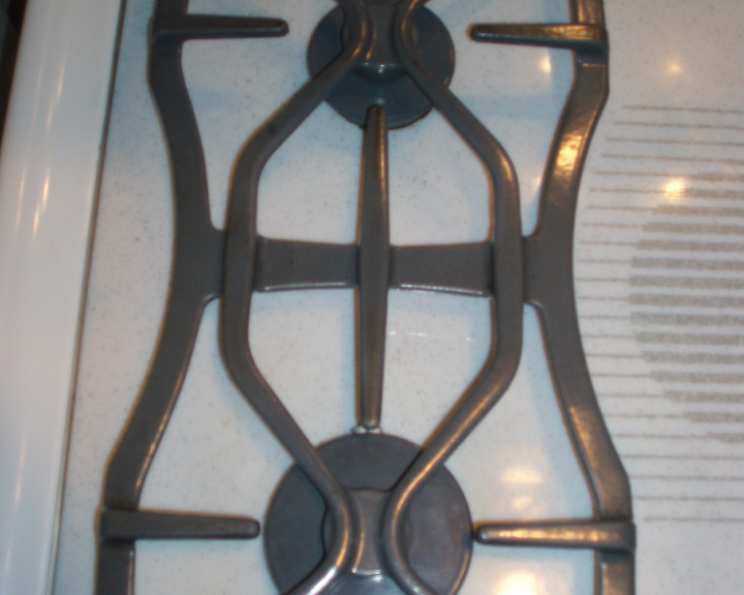
Restoring Sparkle: A Chef’s Guide to Cleaning Gas Cooktop Burner Grates
The rhythmic hiss and satisfying blue flame of a gas cooktop have always been a comforting soundtrack to my culinary adventures. I remember, as a child, watching my grandmother expertly maneuver pots and pans across her well-loved gas range, the heart of her bustling kitchen. The aromas of simmering sauces and freshly baked bread filled the air, creating an atmosphere of warmth and delicious anticipation. Even now, years later, the sight of a gas cooktop ignites a nostalgic spark, reminding me of those cherished moments and the simple joy of creating memorable meals. But let’s be honest, those burner grates? They’re a magnet for spills, splatters, and baked-on messes that can quickly dull the shine of even the most pristine cooktop. Through countless experiments and kitchen mishaps, I’ve discovered an surprisingly effective method to restore my gas cooktop burner grates to their former glory.
Recipe Overview
- Prep Time: 5 minutes
- Soak Time: 30 minutes
- Total Time: 35 minutes
- Servings: Varies (depends on number of grates)
- Yield: Clean burner grates
- Dietary Type: Not Applicable
Ingredients
- 1/4 cup ammonia (adjust quantity depending on bag size and number of grates)
- 1 large plastic bag (heavy-duty trash bag or large Ziploc bag) with a tie or seal
Equipment Needed
- Large plastic bag (trash bag or large Ziploc)
- Gloves (optional, but recommended)
- Sink or outdoor space for rinsing
- Sponge or non-abrasive scrub brush (for minimal scrubbing if needed)
Instructions
- Gather your materials: Ensure you have a large, sturdy plastic bag, enough ammonia to create strong fumes within the bag (but not necessarily submerge the grates), and a place to work – preferably outside or in a well-ventilated area.
- Bag the grates: Carefully place your burner grates (and burner caps, if desired) inside the plastic bag. Ensure they are arranged in a way that allows for maximum exposure to the ammonia fumes.
- Add the ammonia: Gently pour 1/4 cup of ammonia into the bag. The goal isn’t to submerge the grates, but to create a concentrated ammonia vapor within the enclosed space. You may need to adjust the amount of ammonia depending on the size of your bag and the number of grates. The fumes do the cleaning, not the liquid.
- Seal the bag: Securely close the plastic bag. If using a trash bag, tightly tie the top. If using a Ziploc bag, ensure the seal is completely closed. The key is to trap the ammonia fumes inside the bag.
- Wait patiently: Allow the grates to sit in the sealed bag for at least 30 minutes. The longer they soak in the ammonia fumes, the easier it will be to remove the grime. For heavily soiled grates, you can let them sit for several hours, or even overnight.
- Rinse thoroughly: After the soaking period, carefully remove the grates from the bag. It’s best to do this outdoors or in a well-ventilated area, as the ammonia fumes will be strong. Discard the used plastic bag.
- Wash away residue: Rinse the grates thoroughly with water. You’ll notice that much of the cooked-on food and grease will simply wash away.
- Gentle scrubbing (if needed): For any stubborn residue that remains, use a sponge or non-abrasive scrub brush to gently scrub the grates. In most cases, minimal scrubbing will be required.
- Dry completely: Ensure the grates are completely dry before placing them back on your cooktop. This will prevent rusting. You can air-dry them or use a clean towel.
Expert Tips & Tricks
- Ventilation is key: Always perform this cleaning process in a well-ventilated area, preferably outdoors, to avoid inhaling concentrated ammonia fumes. If working indoors, open windows and use a fan to circulate air.
- Don’t mix with bleach: Never mix ammonia with bleach, as this can create dangerous and potentially lethal fumes.
- Adjust ammonia amount: The amount of ammonia needed will depend on the size of your bag and the number of grates. Start with 1/4 cup and adjust as needed to create a strong fume concentration within the bag.
- Protect yourself: Wear gloves to protect your hands from the ammonia.
- Tackle burner caps too: This method works wonders on burner caps as well. Include them in the bag for a complete clean.
- Heavily soiled grates: For extremely dirty grates, consider soaking them overnight in the ammonia fumes.
- Grease buildup? If you are still experiencing grease buildup, try to degrease them with a solution of warm water and dish soap before or after cleaning with ammonia.
Serving & Storage Suggestions
This is a cleaning process, not a dish! Once your burner grates are clean and dry, simply place them back on your gas cooktop. There are no specific storage requirements. Maintaining clean grates regularly will prevent heavy build-up and make future cleaning easier.
Nutritional Information
Not applicable for a cleaning process.
Variations & Substitutions
- Alternative Cleaning Agents: While ammonia is highly effective, some people prefer to use alternative cleaning agents. However, the results may vary, and it’s important to research the safety and effectiveness of any alternative before use. Some options include baking soda paste, vinegar solutions, or specialized cooktop cleaning products.
- Natural Degreasers: For a more natural approach, try pre-soaking the grates in a solution of warm water and dish soap to loosen grease and grime before using the ammonia method.
FAQs (Frequently Asked Questions)
Q: Is ammonia safe to use for cleaning?
A: Yes, ammonia is safe to use for cleaning when handled properly. Always use it in a well-ventilated area, avoid mixing it with bleach, and wear gloves to protect your skin.
Q: How often should I clean my gas cooktop burner grates?
A: The frequency depends on how often you cook. For regular use, cleaning them every 1-2 weeks is recommended to prevent excessive buildup.
Q: Can I use this method on other types of cooktop grates?
A: This method is specifically designed for porcelain enamel grates. Check your cooktop’s user manual for recommended cleaning methods for other materials.
Q: What if the ammonia fumes don’t remove all the grime?
A: For stubborn residue, try gently scrubbing with a non-abrasive sponge or brush after the ammonia soak. You can also repeat the ammonia soak for longer if needed.
Q: Will the ammonia damage the grates?
A: When used as directed, ammonia will not damage porcelain enamel grates. However, it’s always a good idea to test a small, inconspicuous area first if you are concerned.
Final Thoughts
Cleaning gas cooktop burner grates might not be the most glamorous task, but the satisfaction of seeing them sparkling clean and knowing you’re maintaining your cooking equipment properly is truly rewarding. This simple yet effective method using ammonia fumes has been a game-changer for me, and I hope it will be for you too. Don’t be intimidated by the process – with a little patience and precaution, you can easily restore your burner grates to their former glory. So, go ahead, give it a try, and get ready to enjoy the pristine shine of your gas cooktop. Your culinary creations will thank you for it!