
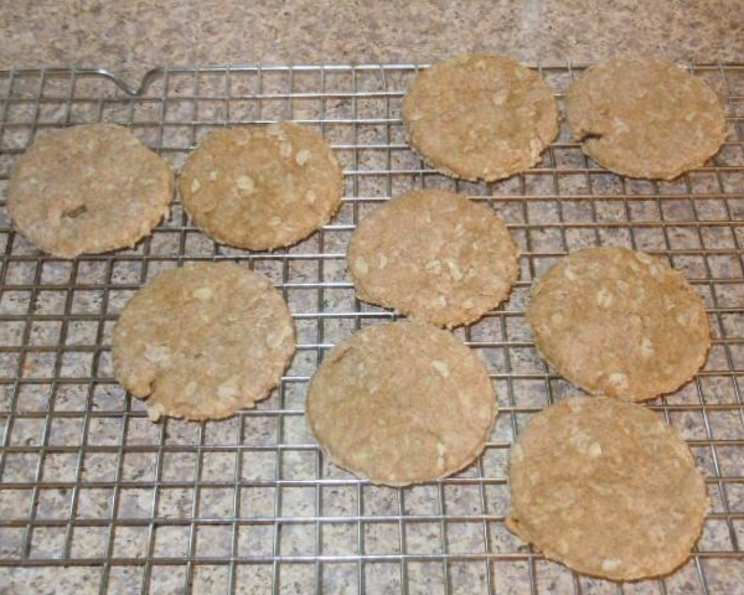
Cleaned-Up Scottish Oatcakes: A Taste of Tradition, Reimagined
I can still picture them: the little hands of my children reaching for a stack of golden-brown oatcakes every morning before school. It was a ritual, a comforting start to their day fueled by these simple, rustic delights. Back then, my recipe wasn’t exactly a health food masterpiece, relying on ingredients I now try to avoid. But as my own wellness journey evolved, so did my approach to these beloved oatcakes. The challenge? Recreating that same satisfying texture and flavor with healthier, wholesome ingredients, without sacrificing the joy they brought my family. Turns out, you can have your oatcake and eat it too – guilt-free!
Recipe Overview
- Prep Time: 15 minutes
- Cook Time: 12-15 minutes
- Total Time: 30 minutes
- Yields: 18 oatcakes
- Serves: 9
- Dietary Type: Vegetarian
Ingredients
- 1 cup slow cook oats
- 1 cup whole wheat flour
- ½ teaspoon baking soda
- ¼ teaspoon salt
- ½ cup coconut oil
- 2-3 tablespoons water, ice cold
Equipment Needed
- Large mixing bowl
- Measuring cups and spoons
- Pastry cutter or fork (optional)
- Food processor (optional)
- Rolling pin
- Lightly floured surface
- Cookie cutter or glass (about 2 1/2″ diameter) or knife
- Ungreased baking sheet
- Wire rack
Instructions
-
Preheat your oven to 375°F (190°C). This crucial step ensures even baking and a crisp, golden finish.
-
In a large mixing bowl, thoroughly combine the dry ingredients: slow cook oats, whole wheat flour, baking soda, and salt. Whisking them together will help to distribute the baking soda evenly, resulting in a lighter texture.
-
Now, it’s time to incorporate the fat. Add the coconut oil to the dry ingredients. Traditionally, this is where a pastry cutter comes in handy. Use the cutter to “cut” the coconut oil into the flour mixture until it resembles coarse crumbs. If you don’t have a pastry cutter, don’t fret! You can simply use your fingertips to rub the coconut oil into the flour. I sometimes just use my hands – a bit messy, but it works! The goal is to break down the coconut oil into smaller pieces that will create flaky layers in the oatcakes.
-
Next, gradually add the ice cold water, one tablespoon at a time, mixing after each addition. The key here is to add just enough water to bring the dough together. You want it to form a stiff dough that holds its shape when pressed. Be careful not to overwork the dough, as this can develop the gluten in the whole wheat flour and make the oatcakes tough. Alternatively, you can combine the ingredients in a food processor, pulsing until the dough just comes together.
-
Lightly flour a clean, flat surface with whole wheat flour. Turn the dough out onto the floured surface. Using a rolling pin, roll the dough out to about 1/8-inch thick. It’s important to work quickly and efficiently, as the dough can become sticky if it sits for too long. If the dough starts to tear or fall apart, don’t panic! A little ice water can act as “glue” to patch it back together.
-
Using a large cookie cutter (about 2 1/2 inches in diameter) or the top of a glass, cut the dough into rounds. You can also use a knife to cut the dough into squares if you prefer. Squares are perfectly rustic and eliminate any dough scraps from re-rolling.
-
Carefully place the oatcakes onto an ungreased baking sheet, leaving a little space between each one.
-
Bake in the preheated oven for approximately 12-15 minutes, or until the oatcakes start to turn a light golden brown around the edges. Keep a close eye on them, as baking times can vary depending on your oven.
-
Once baked, remove the oatcakes from the oven and transfer them to a wire rack to cool slightly. Resist the urge to eat them all at once! Though, fresh from the oven, it can be difficult!
-
Serve warm or at room temperature. These oatcakes are not sweet, so they make a versatile base for a variety of toppings.
Expert Tips & Tricks
- For a flakier texture, make sure your coconut oil is very cold before using it. You can even chill it in the freezer for a few minutes.
- If you’re struggling with the dough being too sticky, try adding a little more whole wheat flour, one tablespoon at a time, until it becomes easier to handle.
- To ensure even baking, rotate the baking sheet halfway through the baking time.
- Don’t overcrowd the baking sheet. Bake the oatcakes in batches if necessary.
- For a richer flavor, try using toasted oats. Toast the oats in a dry skillet over medium heat until lightly golden and fragrant, then let them cool completely before using them in the recipe.
Serving & Storage Suggestions
Oatcakes are incredibly versatile and can be served in countless ways. As a savory option, try topping them with cheese, smoked salmon, avocado, or hummus. For a sweeter treat, spread them with jam, honey, peanut butter, or a sprinkle of cinnamon sugar. Leftover oatcakes can be stored in an airtight container at room temperature for up to 3 days. For longer storage, you can freeze them for up to 2 months. To reheat, simply toast them in a toaster oven or warm them in a low oven until heated through.
Nutritional Information
| Nutrient | Amount per Serving (2 oatcakes) |
|---|---|
| Calories | 183 kcal |
| Protein | 3g |
| Carbohydrate | 16g |
| Total Fat | 12g |
| Fiber | 2.5g |
| Sodium | 135mg |
Variations & Substitutions
- Gluten-Free: Substitute the whole wheat flour with a gluten-free all-purpose flour blend. You may need to adjust the amount of water slightly to achieve the desired dough consistency.
- Different Flours: Experiment with other flours such as spelt flour or rye flour for a different flavor profile.
- Added Flavor: Add a teaspoon of dried herbs such as rosemary or thyme to the dough for a savory twist.
- Sweet Oatcakes: Add a tablespoon or two of maple syrup or honey to the dough for a slightly sweeter oatcake.
- Vegan Option: This recipe is already vegan!
FAQs (Frequently Asked Questions)
Q: Can I use quick-cooking oats instead of slow-cook oats?
A: While you can use quick-cooking oats, the texture of the oatcakes will be slightly different. Slow-cook oats provide a chewier, more rustic texture.
Q: Can I make the dough ahead of time?
A: Yes, you can make the dough ahead of time and store it in the refrigerator for up to 24 hours. Let it come to room temperature slightly before rolling it out.
Q: My dough is too dry and crumbly. What should I do?
A: Add a little more ice cold water, one teaspoon at a time, until the dough comes together.
Q: My oatcakes are browning too quickly. What should I do?
A: Reduce the oven temperature slightly or cover the baking sheet with foil for the last few minutes of baking.
Q: Can I freeze the baked oatcakes?
A: Yes, you can freeze the baked oatcakes. Let them cool completely, then wrap them individually or in small stacks in plastic wrap or freezer bags. They can be stored in the freezer for up to 2 months. Reheat them in a toaster oven or low oven until heated through.
Final Thoughts
These cleaned-up Scottish oatcakes are more than just a recipe; they’re a connection to tradition, a testament to the power of wholesome ingredients, and a delicious way to nourish yourself and your loved ones. I encourage you to try this recipe and make it your own. Experiment with different toppings, flours, and flavor combinations to create oatcakes that perfectly suit your taste. And don’t be afraid to share your creations with others! Whether enjoyed with a cup of tea or a dollop of your favorite topping, these oatcakes are sure to bring a smile to your face. I hope you enjoy the process of creating and sharing them as much as I do.