
Mastering the Microwave: A Chef’s Guide to Sparkling Cleanliness
I remember one particularly chaotic Thanksgiving. The gravy splattered everywhere as I frantically tried to reheat it in the microwave between courses. It wasn’t just on the carousel; the roof, the walls – it was a gravy explosion. I swore that day there had to be a better, easier way to clean a microwave than endless scrubbing. Thankfully, I discovered a simple method that I’m eager to share with you. It’s a game-changer, trust me.
Recipe Overview
- Prep Time: 1 minute
- Cook Time: 1 minute
- Total Time: 2 minutes + cooling time
- Servings: 1 microwave
- Yield: 1 clean microwave
- Dietary Type: N/A
Ingredients
- 2 paper towels
- Ammonia
Equipment Needed
- Microwave
- Microwave-safe container (optional, for soaking paper towels)
Instructions
-
Begin by soaking the paper towels in ammonia. You can do this in a microwave-safe container or by directly applying the ammonia to the towels. Ensure the towels are thoroughly saturated but not dripping excessively.
-
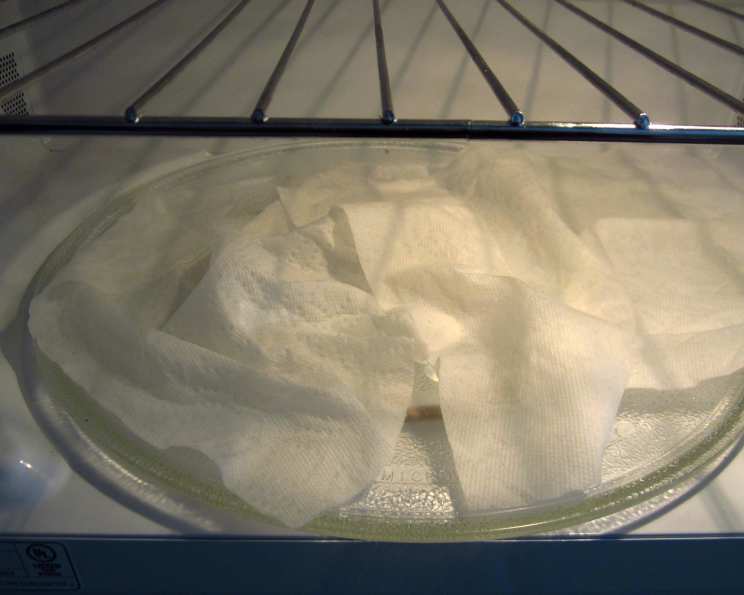
Carefully place the soaked paper towels inside the microwave. Position them in a way that they cover the areas most affected by splatters, if possible.
-
Cook on high for one minute. This will heat the ammonia and create a steam that will loosen the grime.
-
Let the microwave sit with the door closed until the interior is cool enough to handle. This allows the ammonia steam to penetrate and soften the stuck-on food particles. This may take anywhere from 5-15 minutes depending on your microwave.
-
Once cooled, wipe out the microwave with the same paper towels. The loosened grime should come off easily. For stubborn spots, you may need to apply a bit more pressure.
-
After wiping the microwave, it’s recommended to leave the microwave door open for a period of time to allow it to air out. This helps to dissipate any lingering ammonia odor. An optional method to further eliminate the odor is to place a lemon slice inside the microwave.
Expert Tips & Tricks
- Ventilation is Key: Always ensure proper ventilation when using ammonia. Open a window or turn on your kitchen exhaust fan.
- Dilute for Sensitivity: If you are sensitive to strong odors, consider diluting the ammonia with water before soaking the paper towels. Start with a 1:1 ratio and adjust to your preference.
- Safety First: Wear gloves to protect your skin when handling ammonia.
- Lemon Power: A slice of lemon microwaved for a minute afterward will leave a fresh, clean scent.
- Targeted Cleaning: For particularly stubborn spots, leave a soaked paper towel directly on the area for a longer period before wiping.
- Regular Maintenance: Performing this cleaning method regularly (e.g., once a week) will prevent buildup and make future cleaning even easier.
Serving & Storage Suggestions
This cleaning method doesn’t involve creating a dish for consumption, so traditional serving and storage suggestions do not apply. However, properly maintaining a clean microwave ensures that your food heats evenly and avoids any unwanted flavors or odors from lingering food residue.
Nutritional Information
Since this recipe describes a cleaning method rather than a food recipe, nutritional information is not applicable.
Variations & Substitutions
- Vinegar Alternative: If you prefer to avoid ammonia, you can substitute it with a solution of equal parts water and white vinegar. Microwave for a longer period (e.g., 3-5 minutes) to create steam.
- Citrus Power: Add a few drops of lemon, orange, or grapefruit essential oil to the ammonia solution for a more pleasant scent.
- Baking Soda Paste: For extremely stubborn stains, create a paste of baking soda and water and apply it directly to the stain. Let it sit for a few minutes before wiping away.
- Herbal Infusion: Add a few sprigs of rosemary or thyme to the water and vinegar solution for a fragrant, natural cleaner.
FAQs (Frequently Asked Questions)
Q: Is it safe to use ammonia in the microwave?
A: Yes, when used correctly. Ensure proper ventilation, wear gloves, and allow the microwave to cool before wiping it out.
Q: Can I use a sponge instead of paper towels?
A: Yes, a sponge can be used, but paper towels are often more effective at absorbing and holding the ammonia solution.
Q: How often should I clean my microwave using this method?
A: It depends on how frequently you use your microwave. A good rule of thumb is to clean it every week or two to prevent buildup.
Q: What if the ammonia smell lingers?
A: Leaving the microwave door open to air out and microwaving a lemon slice can help eliminate any residual ammonia odor.
Q: Can I use this method on all types of microwaves?
A: Yes, this method is safe for most microwave models. However, it’s always a good idea to check your microwave’s manual for specific cleaning recommendations.
Final Thoughts
Cleaning the microwave doesn’t have to be a dreaded chore. With this simple ammonia steam method, you can quickly and easily remove even the most stubborn splatters and grime. Give it a try, and I guarantee you’ll be amazed at the results. Remember to prioritize safety and ventilation, and enjoy the feeling of a sparkling clean microwave! Feel free to share your experiences or any variations you discover. Happy cleaning!