
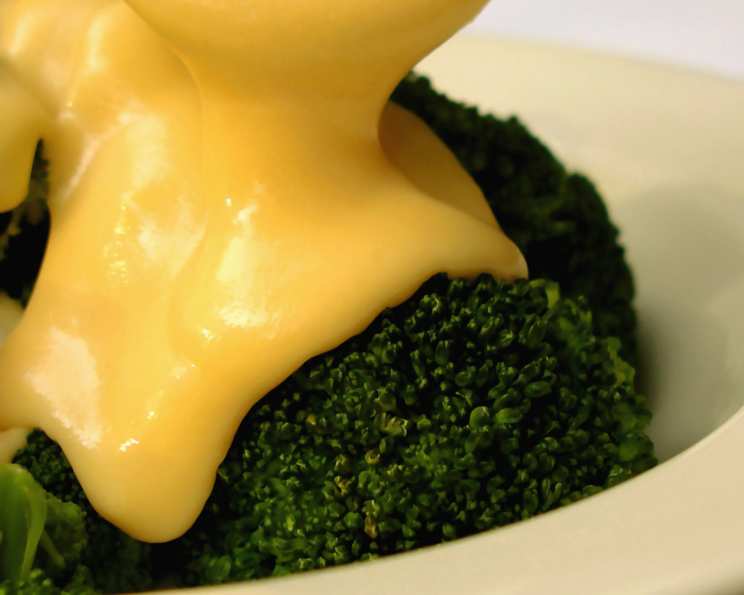
The Ultimate Coating Cheese Sauce Recipe
There’s a certain comfort that only a generous blanket of cheese sauce can provide. I remember, as a kid, my grandmother making this sauce every Sunday to go with our roast dinner. The smell of butter and flour melting together, followed by the sharp tang of cheddar, would fill the entire house. It was pure magic, and even the most reluctant vegetable eater in the family (that was usually me with Brussels sprouts) would happily devour anything smothered in that golden goodness. This recipe brings back those memories every time, and I’m thrilled to share it with you.
Recipe Overview
- Prep Time: 5 minutes
- Cook Time: 15 minutes
- Total Time: 20 minutes
- Servings: 3-6
- Yields: 1 pint
- Dietary Type: Vegetarian
Ingredients
- 2 ounces butter
- 2 ounces plain flour
- 1 pint milk
- 4-6 ounces grated cheddar cheese
- ½ teaspoon mustard (ex. Colmans powder) (optional)
Equipment Needed
- Medium saucepan
- Whisk
- Fork
- Measuring jug
Instructions
-
Begin by melting the butter in a medium saucepan over medium heat. Allow the butter to fully melt before proceeding.
-
Gradually add the plain flour to the melted butter, beating constantly with a whisk until a smooth paste forms. This mixture is called a roux. Make sure there are no lumps.
-
Remove the saucepan from the heat. This is a crucial step to prevent lumps from forming when adding the milk. Slowly pour in the milk, whisking continuously to ensure a smooth consistency. Incorporate the milk bit by bit, ensuring each addition is fully mixed in before adding more.
-
Return the saucepan to medium heat. Bring the mixture to a boil, stirring constantly. Once boiling, reduce the heat to low and cook gently for 2-3 minutes, stirring constantly. This allows the sauce to thicken and the flour to cook out.
-
Remove the saucepan from the heat once more. Add the grated cheddar cheese and mustard (if using). Stir until the cheese is fully melted and the sauce is smooth and creamy. The amount of cheese you add will affect the thickness of the sauce; use 4 ounces for a thinner sauce and up to 6 ounces for a thicker, richer sauce.
-
Serve the cheese sauce immediately. Alternatively, pour it into a Tupperware container and refrigerate. Once chilled, the sauce will firm up considerably. To serve later, simply cut off the desired amount and reheat in the microwave or in a saucepan over low heat. If the sauce becomes too thick upon reheating, add a little milk to thin it to your desired consistency.
Expert Tips & Tricks
-
Cheese Choice: The type of cheddar cheese you use significantly impacts the flavor. A strong, mature cheddar will give a more pronounced and intense flavor. For a milder sauce, use a mild or medium cheddar. Experiment with different cheeses to find your favorite flavor profile. You can also use a blend of cheeses for a more complex flavor.
-
Lump Prevention: The key to a smooth cheese sauce is preventing lumps. Whisking the flour and butter together thoroughly to form a smooth roux is essential. When adding the milk, do so gradually, whisking continuously to ensure it’s fully incorporated. If lumps do form, don’t panic! You can try fishing them out with a spoon and pressing them against the side of the pan with a fork to break them up. Alternatively, you can use an immersion blender to smooth out the sauce.
-
Mustard Power: While the mustard is optional, it adds a subtle tang that complements the cheese beautifully. Colman’s mustard powder is a classic choice, but you can also use Dijon mustard or even a touch of horseradish for a spicier kick.
-
Make-Ahead Magic: This cheese sauce is excellent for making ahead of time. Store it in the refrigerator for up to 3 days. When reheating, be sure to stir it frequently to prevent it from sticking to the pan or scorching in the microwave.
-
Seasoning Savvy: Don’t forget to season your cheese sauce to taste! A pinch of salt and pepper can enhance the flavors. You can also add other seasonings, such as garlic powder, onion powder, or a pinch of cayenne pepper for a touch of heat.
Serving & Storage Suggestions
This versatile cheese sauce is delicious served over a variety of dishes. Classic pairings include steamed vegetables such as broccoli, cauliflower, and asparagus. It’s also fantastic with mashed potatoes, baked potatoes, or pasta. Get creative and use it as a topping for nachos, a dip for pretzels, or even as a base for a homemade mac and cheese.
Leftover cheese sauce should be stored in an airtight container in the refrigerator. It will keep for up to 3 days. To reheat, gently warm it in a saucepan over low heat, stirring frequently. You can also reheat it in the microwave in 30-second intervals, stirring in between. If the sauce becomes too thick, add a little milk or cream to thin it out.
Nutritional Information
| Nutrient | Amount per Serving (approximate) | % Daily Value* |
|---|---|---|
| Calories | 350 kcal | 18% |
| Total Fat | 25g | 38% |
| Saturated Fat | 16g | 80% |
| Cholesterol | 75mg | 25% |
| Sodium | 300mg | 13% |
| Total Carbohydrate | 10g | 4% |
| Dietary Fiber | 0g | 0% |
| Sugars | 2g | N/A |
| Protein | 15g | 30% |
*Percent Daily Values are based on a 2,000 calorie diet. Your daily values may be higher or lower depending on your calorie needs.
Variations & Substitutions
-
Spicy Cheese Sauce: Add a pinch of cayenne pepper or a dash of hot sauce to the cheese sauce for a spicy kick. You can also use pepper jack cheese instead of cheddar for a naturally spicy flavor.
-
Garlic Cheese Sauce: Sauté a clove of minced garlic in the butter before adding the flour. This will infuse the sauce with a delicious garlic flavor.
-
Smoked Cheese Sauce: Use smoked cheddar or add a few drops of liquid smoke to the cheese sauce for a smoky flavor.
-
Herbaceous Cheese Sauce: Stir in some fresh herbs, such as parsley, chives, or thyme, at the end of cooking for a fresh and flavorful sauce.
-
Gluten-Free Cheese Sauce: Substitute the plain flour with a gluten-free flour blend. Ensure the blend contains xanthan gum or another binding agent to help thicken the sauce.
FAQs (Frequently Asked Questions)
Q: Can I use a different type of cheese?
A: Absolutely! While cheddar is the classic choice, you can experiment with other cheeses such as Gruyere, Monterey Jack, or even a blend of different cheeses.
Q: How do I prevent the cheese sauce from becoming grainy?
A: Avoid overheating the cheese sauce, as this can cause the cheese to separate and become grainy. Cook the sauce over low heat and stir constantly.
Q: Can I make this recipe dairy-free?
A: Yes, you can substitute the butter with a plant-based butter and the milk with a plant-based milk, such as almond milk or soy milk. You will also need to use a dairy-free cheese alternative.
Q: My cheese sauce is too thick. How do I thin it out?
A: Simply add a little more milk or cream, one tablespoon at a time, until you reach your desired consistency. Stir well after each addition.
Q: Can I freeze leftover cheese sauce?
A: While you can freeze cheese sauce, the texture may change slightly upon thawing. The sauce may become slightly grainy. To minimize this, cool the sauce completely before freezing and thaw it slowly in the refrigerator overnight.
Final Thoughts
Now it’s your turn! Gather your ingredients, put on some good music, and get ready to create this comforting and delicious Coating Cheese Sauce. Don’t be afraid to experiment with different cheeses, seasonings, and variations to make it your own. I encourage you to share your creations and any feedback you have. Perhaps you’ll serve it alongside a perfectly grilled steak or use it as the star ingredient in a bubbling casserole. Whatever you choose, I hope this recipe brings as much joy to your kitchen as it has to mine.