
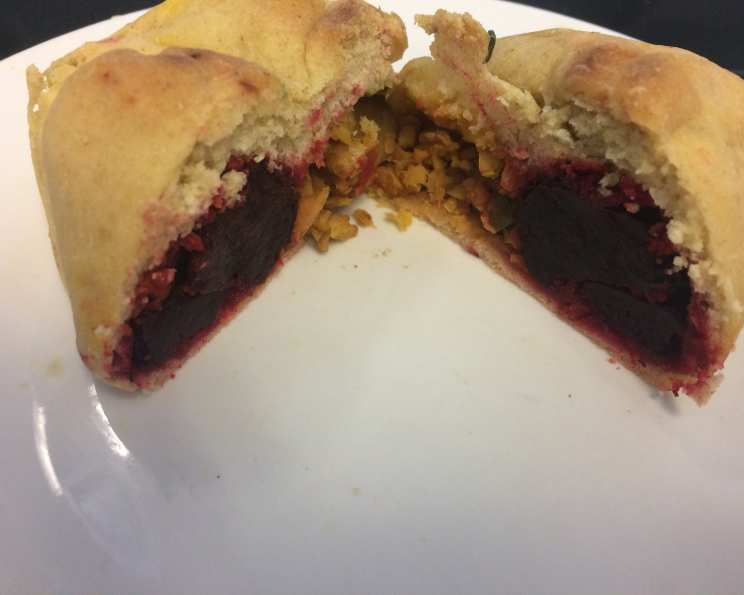
Coconut Beet Samosas: A Flavorful Fusion
The first time I truly appreciated beets was not in some fancy restaurant, but at a bustling Indian street food stall. The vendor, a wizened man with decades of experience etched on his face, served a beet and potato filled samosa, spiked with ginger and spices, unlike anything I had tasted before. It was an epiphany – the earthy sweetness of the beet paired perfectly with the savory warmth of the spices. These Coconut Beet Samosas are an homage to that memory, a playful twist incorporating the creamy richness of coconut to elevate the humble beet to new heights.
Recipe Overview
- Prep Time: 1 hour
- Cook Time: 1 hour
- Total Time: 2 hours
- Yields: 16 Samosas
- Dietary Type: Vegetarian (easily adaptable to vegan)
Ingredients
- For the Filling:
- 1 lb beet
- 1 lb russet potato
- 1 coconut (or 1 lb unsweetened shredded coconut)
- 1 serrano pepper
- 1 small onion, chopped
- 2 garlic cloves, grated
- 1 tsp ginger, freshly grated
- 10 curry leaves, diced
- 1 tbsp garam masala, divided
- 1 tsp coriander seed
- 1 tsp mustard seeds
- 1 tbsp ground fenugreek
- 2 tbsp lemon juice
- 1 tsp turmeric
- 1 cup coconut water (reserved from opening the coconut)
- 4 tbsp olive oil, divided
- 1 tsp kosher salt
- For the Crust:
- 2 1/2 cups self-rising flour
- 7 tbsp light butter, cold and cut into pieces (can substitute vegan butter for a vegan option)
- 3/4 cup water
Equipment Needed
- Oven
- Baking sheets
- Parchment paper (optional)
- Meat mallet or hammer
- Butter knife
- Potato peeler
- Food processor
- Large pan or skillet
- Rolling pin
- Plastic wrap
- Cooling rack
Instructions
-
Preheat your oven to 350 degrees F (175 degrees C).
-
Prepare the Coconut: Carefully pierce one of the “eyes” of the coconut. Enlarge the hole and drain the coconut water, retaining it for later use. Using a meat mallet or a clean hammer, carefully break open the coconut shell. Be mindful of flying shards. Separate the flesh of the coconut from the inside of the shell using a butter knife. Peel the brown skin from the coconut flesh with a potato peeler. Cut the coconut flesh into chunks.
-
Roast the Coconut, Beets, Potatoes, and Pepper: Coat the coconut chunks with some of the olive oil and dust with some of the garam masala and salt. Place on a baking sheet. Cut the beets from their stems (retain the greens if you wish to use them elsewhere, like in a salad or chimichurri). Scrub the skin of the beets and cut into wedges. Coat the beet wedges with some of the olive oil and dust with some of the garam masala and salt. Place on a separate baking sheet from the coconut (beets can stain). Peel the potatoes and cut into chunks. Coat the potato chunks with some of the olive oil and dust with some of the garam masala and salt. Place on a separate baking sheet from the coconut and beets. Coat the serrano pepper with oil and place it on one of the baking sheets. Bake the coconut, beets, potatoes, and pepper for 30 minutes, turning the pieces over halfway through to ensure even roasting.
-
Make the Dough: In a large bowl, mix together the self-rising flour, cold butter (cut into pieces), ground fenugreek, and salt. Work the butter into the flour with your fingers or a pastry blender until the mixture has a shaggy, crumbly consistency with visible chunks of butter.
-
Hydrate the Dough: Add a little water at a time, mixing until the mixture starts to come together and become crumbly. Continue to add water gradually, kneading the mixture until it forms a soft, pliable dough. Be careful not to overwork the dough.
-
Rest the Dough: Knead the dough until the dry ingredients are fully blended. Wrap the dough in plastic wrap and set aside to rest for at least 20 minutes. This allows the gluten to relax, resulting in a more tender crust.
-
Process the Coconut: After the coconut has roasted, cut it into smaller pieces. Place the roasted coconut pieces and the reserved coconut water into a food processor. Pulse until the mixture is reduced to small pieces but not completely pureed. You want some texture.
-
Sauté the Aromatics: Heat 2 tablespoons of olive oil in a large pan or skillet over medium heat. Add the chopped onion and sauté for about 5 minutes, or until softened and translucent. Add the grated ginger, grated garlic, mustard seeds, and coriander seeds. Stir-fry for about 1 minute, or until fragrant, then continue to sauté until the onion is light brown.
-
Spice the Filling: Dice the roasted serrano pepper (remove seeds if you prefer less heat). Add the diced curry leaves, lemon juice, turmeric, diced serrano pepper, and remaining garam masala to the pan. Stir-fry for 2 minutes, allowing the spices to bloom and release their flavors.
-
Combine the Ingredients: Add the processed coconut pieces to the pan and stir-fry for 2 minutes. Break the roasted potatoes into small pieces (don’t mash them) and add them to the pan. Stir-fry for another 2 minutes. Drain any remaining liquid from the roasted beets. Break the beets into small pieces (again, don’t mash them) and add them to the pan. Stir-fry for 2 more minutes, ensuring all ingredients are well combined and heated through. Set aside the filling and allow it to cool slightly before assembling the samosas.
-
Assemble the Samosas: Divide the rested dough into 8 equal portions. On a lightly floured surface, use a rolling pin to roll out each portion of dough into a 5-inch oval, as thin as possible without tearing. Cut the oval in half.
-
Fill and Shape: Run a moist finger along the perimeter of each half-oval of dough. This will help the edges seal properly. Place a generous tablespoon of the cooled filling into the center of each half. Fold the dough over to fully cover the filling, pressing the edges together firmly to seal. Shape each half into a triangle. Repeat with the remaining dough and filling.
-
Bake the Samosas: Lightly oil baking sheets. Roll each samosa in the oil to coat all sides. This will help them brown evenly and prevent sticking. Place the samosas on the prepared baking sheets, ensuring they aren’t touching. Bake for 30 minutes, checking for doneness. If the samosas are not browned sufficiently, bake for another 10-15 minutes, or until golden brown.
-
Cool and Serve: Remove the baked samosas from the oven and place them on a cooling rack to cool slightly before serving.
Expert Tips & Tricks
- If you can’t find self-rising flour, you can make your own by adding 1 1/2 teaspoons of baking powder and 1/2 teaspoon of salt per cup of all-purpose flour.
- For a flakier crust, use very cold butter and avoid overworking the dough.
- To prevent the filling from becoming too soggy, ensure the roasted beets are well-drained before adding them to the pan.
- Feel free to adjust the amount of serrano pepper to your liking. If you prefer a milder flavor, remove the seeds and membranes before dicing.
- The filling can be made ahead of time and stored in the refrigerator for up to 2 days.
- For a deeper flavor, consider toasting the coriander and mustard seeds before adding them to the pan.
Serving & Storage Suggestions
These Coconut Beet Samosas are delicious served warm as an appetizer, snack, or light meal. They pair well with a cooling yogurt dip, a vibrant chutney, or a fresh salad.
- Room Temperature: Samosas can be kept at room temperature for up to 2 hours.
- Refrigerator: Store leftover samosas in an airtight container in the refrigerator for up to 3 days.
- Freezer: For longer storage, freeze the samosas on a baking sheet until solid, then transfer them to a freezer-safe bag or container. They can be frozen for up to 2 months.
- Reheating: Reheat samosas in a preheated oven at 350 degrees F (175 degrees C) for 10-15 minutes, or until heated through and crispy. You can also reheat them in a microwave, but they may not be as crispy.
Nutritional Information
Note: Nutritional information is an estimate and may vary based on specific ingredients and portion sizes.
| Nutrient | Amount per Serving | % Daily Value |
|---|---|---|
| Calories | 220 kcal | 11% |
| Total Fat | 12g | 18% |
| Saturated Fat | 6g | 30% |
| Cholesterol | 15mg | 5% |
| Sodium | 350mg | 15% |
| Total Carbohydrate | 25g | 8% |
| Dietary Fiber | 3g | 12% |
| Sugars | 5g | – |
| Protein | 4g | 8% |
Variations & Substitutions
- Vegan: Substitute the butter in the crust with vegan butter.
- Gluten-Free: Use a gluten-free flour blend for the crust. You may need to add a binder, such as xanthan gum, to improve the texture.
- Spicy: Add more serrano pepper or a pinch of cayenne pepper to the filling for extra heat.
- Sweet: Add a tablespoon of brown sugar or maple syrup to the filling for a sweeter flavor.
- Other Vegetables: Experiment with adding other vegetables to the filling, such as peas, carrots, or spinach.
FAQs (Frequently Asked Questions)
Q: Can I use pre-cooked beets?
A: Yes, you can use pre-cooked beets to save time. Just be sure to drain them well before adding them to the filling.
Q: How do I prevent the samosas from sticking to the baking sheet?
A: Make sure to lightly oil the baking sheets and roll the samosas in the oil before baking. Parchment paper can also be used.
Q: Can I fry these samosas instead of baking them?
A: Yes, you can deep-fry the samosas in hot oil until golden brown. Be sure to drain them on paper towels to remove excess oil.
Q: What if I don’t have coconut water?
A: You can substitute vegetable broth or plain water for coconut water, but the coconut water adds a subtle sweetness that complements the other flavors.
Q: Can I make these ahead of time and bake them later?
A: Yes, you can assemble the samosas and store them in the refrigerator for up to 24 hours before baking. Just be sure to cover them tightly to prevent them from drying out.
Final Thoughts
These Coconut Beet Samosas are a delightful fusion of flavors and textures, a testament to the magic that happens when seemingly disparate ingredients come together in perfect harmony. Don’t be intimidated by the seemingly long list of steps; the reward is well worth the effort. So, gather your ingredients, put on some music, and embark on this culinary adventure. I encourage you to try this recipe and share your creations and feedback. Perhaps pair these samosas with a crisp Sauvignon Blanc or a refreshing cucumber raita for the perfect culinary experience! Enjoy!