
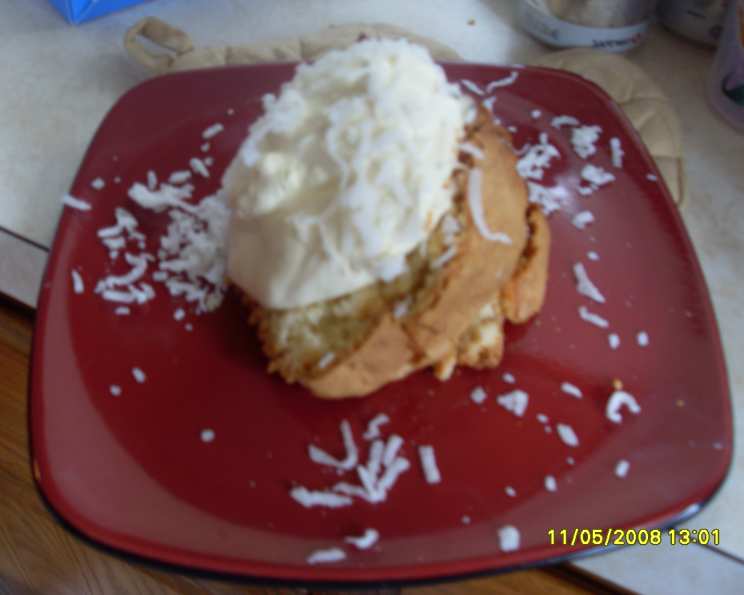
Coconut Cream Pound Cake: A Slice of Tropical Paradise
Growing up in South Florida, the scent of coconut was as commonplace as sunshine. It drifted from sunscreen on the beach to the sweet treats sold at roadside stands. But nothing quite captured the essence of those tropical memories like my grandmother’s coconut cream pound cake. It wasn’t just the flavor, the dense, moist crumb infused with rich coconut. It was the way it brought everyone together, a centerpiece for family gatherings, its aroma filling the air with laughter and love. This recipe is my attempt to recreate that magic, to share a taste of home and a piece of my heart with you.
Recipe Overview
- Prep Time: 20 minutes
- Cook Time: 1 hour 20 minutes
- Total Time: 1 hour 40 minutes
- Servings: 12-16
- Yield: 1 (10-inch) tube cake
- Dietary Type: Not specified (contains dairy and eggs)
Ingredients
- 1 cup butter, softened
- 1 (8 ounce) package cream cheese, softened
- 3 cups white sugar
- 6 eggs
- 1 teaspoon coconut extract
- 3 cups all-purpose flour
- ½ teaspoon baking powder
- 2 cups flaked coconut
Equipment Needed
- 10-inch tube pan
- Large mixing bowl
- Electric mixer (handheld or stand mixer)
- Measuring cups and spoons
- Cooling rack
- Rubber spatula or wooden spoon
Instructions
-
Begin by preheating your oven to 350 degrees Fahrenheit (175 degrees Celsius). It’s crucial to ensure your oven is at the correct temperature for even baking.
-
Prepare your 10-inch tube pan by greasing it thoroughly with butter or shortening. Then, flour the pan, ensuring every surface is coated. This will prevent the cake from sticking and allow for easy removal after baking. Tap out any excess flour.
-
In a large mixing bowl, combine the softened butter and softened cream cheese. Using an electric mixer, cream them together until the mixture is light and fluffy. This step is crucial for creating a tender crumb.
-
Gradually add the sugar to the butter and cream cheese mixture. Continue to beat until the mixture is light and airy. This process incorporates air, which helps the cake rise and gives it a delicate texture.
-
Blend in the eggs one at a time, ensuring each egg is fully incorporated before adding the next. Beating each egg individually helps to emulsify the batter, contributing to a smooth and even texture.
-
Stir in the coconut extract. This adds a concentrated burst of coconut flavor to the cake.
-
In a separate bowl, whisk together the flour and baking powder. This ensures that the baking powder is evenly distributed throughout the flour, which helps the cake rise properly.
-
Gradually mix in the flour and baking powder mixture into the wet ingredients until just moistened. Be careful not to overmix, as this can develop the gluten in the flour and result in a tough cake.
-
Stir in the flaked coconut. Gently fold the coconut into the batter until it is evenly distributed.
-
Spoon the batter into the prepared tube pan, spreading it evenly.
-
Bake for 1 hour and 20 minutes in the preheated oven. To prevent the top from browning too quickly, you can loosely tent the cake with foil after about an hour of baking.
-
To check for doneness, insert a knife or cake tester into the center of the cake. If it comes out clean, the cake is done. If not, continue baking for a few more minutes and check again.
-
Allow the cake to cool in the pan for 10 minutes before inverting it onto a cooling rack. This allows the cake to firm up slightly, making it easier to remove from the pan without breaking.
-
Let the cake cool completely on the cooling rack before slicing and serving.
Expert Tips & Tricks
- For an extra moist cake, consider adding a tablespoon or two of sour cream to the batter.
- Toast the coconut flakes before adding them to the batter for a richer, nuttier flavor. Spread the coconut on a baking sheet and bake at 350°F (175°C) for 5-7 minutes, or until lightly golden, watching carefully to prevent burning.
- To prevent the cake from sticking, use a non-stick tube pan or line the bottom of the pan with parchment paper in addition to greasing and flouring it.
- If you find that the top of the cake is browning too quickly, you can loosely tent it with aluminum foil during the last 20-30 minutes of baking.
- For a more intense coconut flavor, substitute coconut milk for some of the liquid in the recipe, or use coconut oil instead of butter (adjusting the amount as needed).
Serving & Storage Suggestions
This Coconut Cream Pound Cake is delicious served on its own, but it also pairs well with fresh berries, whipped cream, or a scoop of vanilla ice cream. For an extra touch, dust the top of the cake with powdered sugar or drizzle it with a simple glaze made from powdered sugar and coconut milk.
To store, wrap the cooled cake tightly in plastic wrap or place it in an airtight container. It will keep at room temperature for 2-3 days, in the refrigerator for up to a week, or in the freezer for up to 2 months. If freezing, thaw the cake completely before serving. You can also reheat individual slices in the microwave for a few seconds to restore their moistness.
Nutritional Information
| Nutrient | Amount per Serving (estimated) | % Daily Value (estimated) |
|---|---|---|
| Calories | 605 kcal | 30% |
| Total Fat | 38 g | 58% |
| Saturated Fat | 24 g | 120% |
| Cholesterol | 167 mg | 56% |
| Sodium | 247 mg | 10% |
| Total Carbohydrate | 80 g | 27% |
| Dietary Fiber | 1.4 g | 6% |
| Sugars | 56 g | N/A |
| Protein | 8.4 g | 17% |
Note: Nutritional information is an estimate and may vary based on specific ingredients and serving sizes.
Variations & Substitutions
- Gluten-Free: Substitute the all-purpose flour with a gluten-free blend, ensuring it contains xanthan gum for binding.
- Dairy-Free: Use a plant-based butter alternative and a dairy-free cream cheese substitute. Be sure to choose products that perform well in baking.
- Lemon-Coconut: Add the zest of one lemon to the batter for a bright, citrusy twist.
- Chocolate-Coconut: Add ½ cup of cocoa powder to the dry ingredients for a chocolate-infused cake. Consider adding chocolate chips along with the coconut.
- Coconut Glaze: Make a simple glaze by whisking together powdered sugar with coconut milk or cream until smooth. Drizzle over the cooled cake for added sweetness and coconut flavor.
FAQs (Frequently Asked Questions)
Q: Why is my pound cake dry?
A: Overbaking is the most common cause of a dry pound cake. Also, be careful not to overmix the batter, as this can develop the gluten and make the cake tough.
Q: Can I use sweetened or unsweetened coconut flakes?
A: Either sweetened or unsweetened coconut flakes can be used, but keep in mind that sweetened coconut flakes will add more sweetness to the cake. Adjust the amount of sugar in the recipe accordingly if you prefer a less sweet cake.
Q: Can I make this cake in a different type of pan?
A: While a tube pan is recommended for even baking, you can use two loaf pans or a bundt pan. Adjust the baking time accordingly, as the cake may bake faster in smaller pans.
Q: How do I prevent my cake from sticking to the pan?
A: Thoroughly greasing and flouring the pan is essential. You can also use a non-stick baking spray or line the bottom of the pan with parchment paper.
Q: Can I freeze this cake?
A: Yes, this cake freezes well. Wrap it tightly in plastic wrap and then in aluminum foil or place it in an airtight container. Thaw completely before serving.
Final Thoughts
This Coconut Cream Pound Cake is more than just a recipe; it’s a slice of sunshine, a taste of nostalgia, and a testament to the power of simple ingredients to create something truly extraordinary. I encourage you to try this recipe and experience the joy of baking and sharing this delightful treat with your loved ones. Don’t hesitate to add your own personal touches and make it your own. And please, share your creations and feedback – I’d love to hear how it turns out! Perhaps pair it with a cup of strong coffee or a refreshing tropical cocktail for the ultimate indulgence. Happy baking!