
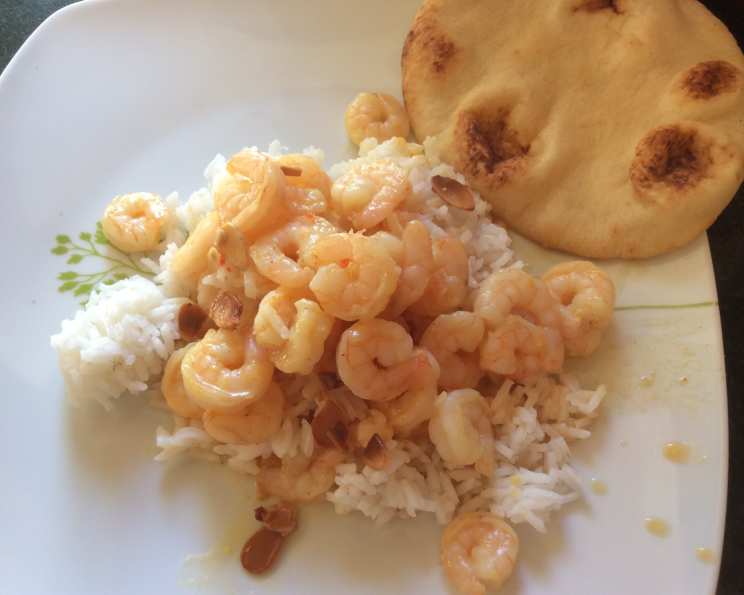
Coconut Curry Shrimp with Basmati Rice
There’s something magical about the scent of coconut milk simmering with spices – it instantly transports me back to a tiny beachside cafe in Thailand, where I first tasted a dish that sparked my lifelong love affair with curry. The vibrant colors, the fragrant steam rising from the bowl, and the explosion of flavors on my tongue… It was an experience that I’ve been trying to recreate ever since, and this Coconut Curry Shrimp with Basmati Rice comes pretty darn close. It’s a dish that feels both exotic and comforting, perfect for a weeknight dinner or a special occasion.
Recipe Overview
- Prep Time: 20 minutes
- Cook Time: 20 minutes
- Total Time: 40 minutes
- Servings: 4
- Dietary Type: Gluten-Free, Dairy-Free
Ingredients
- 1 cup chopped onion
- 1 cup chopped red sweet bell pepper
- 2 tablespoons minced gingerroot
- 3 cloves garlic, minced
- 1 teaspoon grated lime zest
- ½ teaspoon red pepper flakes
- 2 tablespoons ground almonds
- 2 teaspoons ground coriander
- 1 teaspoon paprika
- ¼ teaspoon turmeric
- 2 teaspoons black mustard seeds
- 1 tablespoon vegetable oil
- 1 teaspoon salt
- 1 cup coconut milk
- 1 tablespoon fresh lime juice
- 1 lb shrimp, peeled and deviened
- 1 ½ cups basmati rice
- 3 cups water
- 2 tablespoons toasted almonds
- 2 tablespoons chopped coriander
Equipment Needed
- Food processor or blender
- Large skillet
- Fine sieve
- Bowl
Instructions
-
Begin by preparing the basmati rice. In a saucepan, bring the 3 cups of water to a boil. Add the 1 ½ cups of rice, stir, and return to a boil. Once boiling, cover the saucepan, reduce the heat to medium-low, and let it simmer until all the water is absorbed (about 15-20 minutes). The rice should be tender and fluffy.
-
While the rice is cooking, prepare the curry paste. In a food processor or blender, combine the chopped onion, red bell pepper, minced gingerroot, minced garlic, lime zest, and red pepper flakes. Puree until smooth.
-
Add the ground almonds, ground coriander, paprika, and turmeric to the food processor. Blend until a thick paste forms. Scrape down the sides of the processor as needed to ensure all ingredients are fully incorporated.
-
In a large skillet, toast the black mustard seeds over medium-high heat. Shake the pan frequently to prevent burning. The seeds will start to pop and release their fragrant aroma. Once toasted (about 2-3 minutes), remove the skillet from the heat and pour the mustard seeds into a bowl to cool. Set aside.
-
Reduce the heat to medium and add the vegetable oil to the skillet. Swirl to coat the pan.
-
Add the curry paste to the skillet and cook for 10-12 minutes, stirring frequently. The paste should deepen in color to a rich orange and start to clump together as it cooks. This step is crucial for developing the flavors of the curry.
-
Add the toasted mustard seeds, 1 cup of water, and salt to the skillet with the curry paste. Bring the mixture to a boil.
-
Reduce the heat to a simmer and cook for 5 minutes, allowing the flavors to meld together.
-
Strain the curry through a fine sieve into a bowl, using a spatula to press out as much liquid as possible. This step will create a smooth and flavorful curry sauce.
-
Rinse and dry the skillet, then return the strained liquid to the skillet.
-
Gently whisk in the coconut milk and lime juice until well blended.
-
Bring the mixture to a boil, then reduce the heat to a simmer.
-
Add the shrimp to the simmering curry sauce, stirring gently until they turn pink and are cooked through. This will take approximately 3-4 minutes. Be careful not to overcook the shrimp, or they will become tough.
-
Serve the coconut curry shrimp over the cooked basmati rice. Garnish with toasted almonds and chopped coriander.
Expert Tips & Tricks
- Spice it up: If you prefer a spicier curry, increase the amount of red pepper flakes. You can also add a pinch of cayenne pepper to the curry paste.
- Shrimp size: Adjust the cooking time based on the size of your shrimp. Smaller shrimp will cook faster than larger ones.
- Make it ahead: The curry paste can be made a day or two in advance and stored in the refrigerator. This will save you time on the day you plan to cook the dish.
- Vegetable variations: Feel free to add other vegetables to the curry, such as bell peppers, green beans, or spinach.
- Thickening the sauce: If you prefer a thicker curry sauce, you can whisk in a teaspoon of cornstarch mixed with a tablespoon of cold water before adding the shrimp.
Serving & Storage Suggestions
Serve the Coconut Curry Shrimp with Basmati Rice immediately for the best flavor and texture. Garnish generously with toasted almonds and fresh coriander for added flavor and visual appeal. For a complete meal, consider serving with a side of naan bread or a fresh cucumber salad.
Leftovers can be stored in an airtight container in the refrigerator for up to 3 days. To reheat, gently warm the curry over low heat on the stovetop or in the microwave. Be careful not to overcook the shrimp during reheating. It’s best to add a splash of water or coconut milk to prevent the sauce from drying out. While freezing is possible, the texture of the shrimp might change slightly upon thawing.
Nutritional Information
| Nutrient | Amount per Serving | % Daily Value |
|---|---|---|
| Calories | 450 kcal | 23% |
| Total Fat | 25g | 38% |
| Saturated Fat | 15g | 75% |
| Cholesterol | 150mg | 50% |
| Sodium | 1300mg | 54% |
| Total Carbohydrate | 70g | 23% |
| Dietary Fiber | 6g | 24% |
| Sugars | 5g | – |
| Protein | 30g | 60% |
Variations & Substitutions
- Vegetarian Option: Substitute the shrimp with tofu or chickpeas for a vegetarian-friendly version.
- Spice Level: Adjust the amount of red pepper flakes to your preference for heat.
- Coconut Milk: For a richer flavor, use full-fat coconut milk. For a lighter option, use light coconut milk.
- Basmati Rice: You can substitute basmati rice with jasmine rice, brown rice, or quinoa.
- Nuts: If you’re allergic to almonds, you can use cashews or omit them altogether.
FAQs (Frequently Asked Questions)
Q: Can I use frozen shrimp for this recipe?
A: Yes, you can use frozen shrimp. Make sure to thaw them completely before cooking and pat them dry to remove any excess moisture.
Q: How do I know when the shrimp is cooked properly?
A: Shrimp is cooked when it turns pink and opaque. Be careful not to overcook it, as it will become tough.
Q: Can I make this curry spicier?
A: Absolutely! Add more red pepper flakes, a pinch of cayenne pepper, or a chopped chili pepper to the curry paste.
Q: Is this recipe gluten-free?
A: Yes, this recipe is naturally gluten-free as long as you ensure that your ground almonds are processed in a gluten-free facility.
Q: Can I add other vegetables to this curry?
A: Yes, you can add other vegetables such as bell peppers, green beans, peas, or spinach. Add them along with the shrimp during the last few minutes of cooking.
Final Thoughts
This Coconut Curry Shrimp with Basmati Rice is a delightful culinary adventure that brings a taste of the tropics to your kitchen. Don’t be intimidated by the ingredient list – the process is simpler than it seems, and the results are well worth the effort. So, gather your ingredients, embrace the aroma of simmering spices, and create a dish that will transport your taste buds. I encourage you to try this recipe and make it your own by adding your favorite twists and flavors. And if you do, please share your feedback – I’d love to hear how it turned out! Consider pairing this vibrant curry with a crisp, dry white wine like a Sauvignon Blanc or a light-bodied beer for the perfect complement to the rich flavors. Happy cooking!