
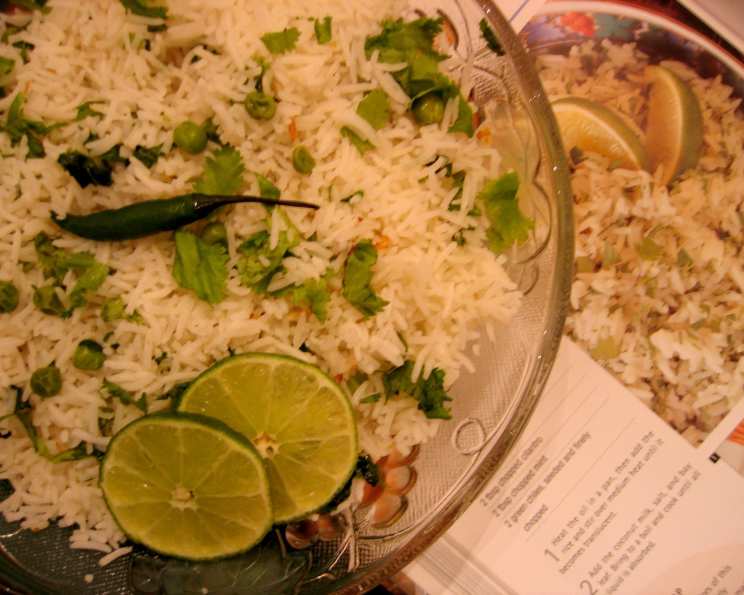
Coconut Green Herb Rice: A Culinary Journey to Southeast Asia
The first time I tasted anything close to this fragrant rice, I was backpacking through Thailand. It wasn’t in a fancy restaurant, but at a small street food stall in Chiang Mai. The aroma alone, a heady mix of coconut, herbs, and something subtly spicy, drew me in. It was served alongside grilled chicken satay, and the combination was pure culinary magic. That simple meal ignited a passion for Southeast Asian cuisine, and I’ve been chasing that perfect balance of flavors ever since. This Coconut Green Herb Rice is my attempt to capture that memory, bringing the exotic tastes of Thailand directly to your kitchen.
Recipe Overview
- Prep Time: 15 minutes
- Cook Time: 30 minutes
- Total Time: 45 minutes
- Servings: 4
- Dietary Type: Vegetarian, Gluten-Free
Ingredients
- 2 tablespoons olive oil
- 4 shallots, finely sliced
- 2 bay leaves
- 1 stalk curry leaf
- 2 1/2 cups rice (basmati or jasmine preferred)
- 1/4 cup peas (frozen)
- 3 cups coconut milk
- 1 teaspoon salt
- 1/4 cup cilantro, chopped
- 2 tablespoons mint, chopped
- 2-3 green chilies, chopped (adjust to your spice preference)
- Lime wedges for garnish
Equipment Needed
- Large saucepan with a tight-fitting lid
- Measuring cups and spoons
- Chopping board
- Knife
- Fork
Instructions
-
In a large saucepan, heat the olive oil over medium heat. The oil should shimmer, but not smoke.
-
Add the sliced shallots to the heated oil and sauté until they are softened and lightly golden brown, about 5-7 minutes. Stir frequently to prevent burning.
-
Introduce the aromatic ingredients: Add the bay leaves and curry leaf to the shallots. Cook for another minute, allowing their fragrance to infuse the oil.
-
Add the rice (either basmati or jasmine) to the saucepan. Stir continuously over medium heat until the rice grains turn translucent. This typically takes 2-3 minutes. Toasting the rice enhances its nutty flavor and helps prevent it from becoming sticky.
-
Pour in the coconut milk, then add the salt and frozen peas. Stir well to combine all ingredients.
-
Bring the mixture to a boil. Once boiling, reduce the heat to very low.
-
Cover the saucepan tightly with a lid. Simmer on very low heat for 20-25 minutes, or until most of the liquid is absorbed and the rice is tender. It is essential to keep the heat low to prevent the rice from scorching at the bottom of the pan.
-
After 20-25 minutes, check the rice. If there is still liquid remaining, continue to cook, covered, for a few more minutes, checking frequently. Be vigilant and make sure the rice does not scald or burn.
-
Once the rice is cooked and most of the liquid is absorbed, remove the bay leaves and curry leaf.
-
Gently stir in the chopped cilantro, mint, and green chilies. The heat from the rice will wilt the herbs slightly, releasing their aromas.
-
Fluff the rice with a fork to separate the grains and distribute the herbs and chilies evenly.
-
Garnish with lime wedges if desired, and serve immediately.
Expert Tips & Tricks
- Rice Selection: Basmati rice offers a fluffy texture and slightly nutty flavor, while jasmine rice provides a more floral aroma and a slightly stickier consistency. Experiment to find your preferred rice.
- Coconut Milk: Full-fat coconut milk provides the richest flavor and creamiest texture. If you prefer a lighter dish, you can use light coconut milk, but the flavor will be less intense.
- Spice Level: Adjust the amount of green chilies to suit your tolerance for heat. For a milder dish, remove the seeds from the chilies before chopping. You can also use a milder variety of chili.
- Preventing Scorching: The key to preventing the rice from scorching is to maintain a very low heat and use a heavy-bottomed saucepan. If you are concerned about scorching, you can also place a heat diffuser under the saucepan.
- Make-Ahead Tip: You can prepare the rice up to a day in advance. Store it in an airtight container in the refrigerator and reheat it gently before serving. Add a splash of coconut milk or water when reheating to prevent it from drying out.
Serving & Storage Suggestions
Serve the Coconut Green Herb Rice hot, as a side dish to grilled meats, fish, or vegetables. It pairs exceptionally well with curries, stir-fries, or even as a base for a flavorful rice bowl. The bright, herby flavors complement a wide range of dishes.
Leftovers can be stored in an airtight container in the refrigerator for up to 3 days. To reheat, microwave on medium power, adding a tablespoon or two of water or coconut milk to prevent drying. You can also reheat the rice in a saucepan over low heat, stirring occasionally. Freezing is not recommended, as the texture of the rice may change upon thawing.
Nutritional Information
| Nutrient | Amount per Serving | % Daily Value* |
|---|---|---|
| Calories | 450 kcal | 23% |
| Total Fat | 25g | 38% |
| Saturated Fat | 20g | 100% |
| Cholesterol | 0mg | 0% |
| Sodium | 400mg | 17% |
| Total Carbohydrate | 55g | 20% |
| Dietary Fiber | 3g | 12% |
| Sugars | 5g | – |
| Protein | 7g | 14% |
*Percent Daily Values are based on a 2,000 calorie diet.
Variations & Substitutions
- Vegan Option: This recipe is naturally vegan.
- Brown Rice: For a healthier option, you can use brown rice instead of white rice. However, brown rice requires a longer cooking time and more liquid. Increase the cooking time to 45-50 minutes and add an extra cup of coconut milk.
- Herb Variations: Feel free to experiment with different herbs. Thai basil, lemongrass, or kaffir lime leaves would all be delicious additions.
- Vegetable Additions: Add other vegetables, such as chopped carrots, bell peppers, or broccoli florets, to the rice during the last 10 minutes of cooking.
- Nut Addition: Toasted cashews or peanuts can be added for extra crunch and flavor. Stir them in after the rice is cooked.
FAQs (Frequently Asked Questions)
Q: Can I use regular milk instead of coconut milk?
A: While you can, the distinctive flavor of coconut milk is central to this dish. Using regular milk will drastically alter the taste and won’t provide the same creamy texture.
Q: How do I prevent the rice from becoming sticky?
A: Rinsing the rice before cooking helps remove excess starch, which contributes to stickiness. Also, avoid over-stirring the rice during cooking, as this can also release starch.
Q: Can I make this recipe in a rice cooker?
A: Yes, you can adapt this recipe for a rice cooker. Follow the manufacturer’s instructions for your rice cooker, but use the same ingredient ratios as specified in the recipe.
Q: What if I don’t have curry leaves?
A: Curry leaves add a unique citrusy aroma, but if you can’t find them, you can omit them. Consider adding a small piece of lime zest for a similar flavor note.
Q: How can I make this spicier?
A: Increase the amount of green chilies, or use a hotter variety. You can also add a pinch of red pepper flakes or a dash of chili oil.
Final Thoughts
I sincerely hope this recipe inspires you to experiment with Southeast Asian flavors in your own kitchen. This Coconut Green Herb Rice is a delightful dish that’s both comforting and exciting, perfect as a side or even a light meal on its own. Don’t be afraid to adjust the ingredients to your liking and share your own variations with me – I’d love to hear how you make it your own. Consider pairing it with some grilled shrimp skewers and a refreshing cucumber salad for a complete and unforgettable culinary experience. Happy cooking!