
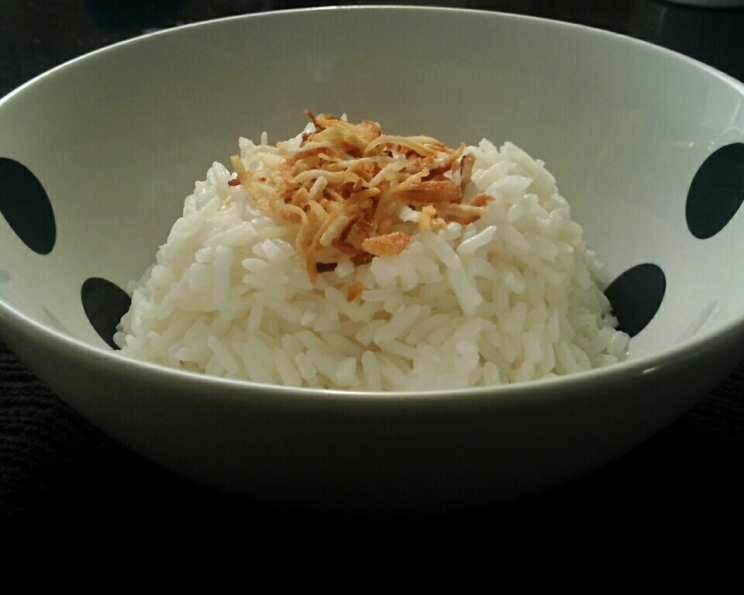
Coconut Jasmine Rice: A Taste of Tropical Comfort
There’s something inherently comforting about the aroma of jasmine rice gently simmering on the stove. It evokes memories of my grandmother’s kitchen, where the fragrant steam would mingle with the scent of spices, promising a warm and satisfying meal. But one day, she added a secret ingredient: coconut milk. The transformation was magical. The rice became richer, creamier, imbued with a subtle sweetness that elevated it from simple side dish to a star in its own right. To this day, coconut jasmine rice remains a cherished family staple, a testament to the power of simple ingredients transformed by love and a touch of tropical inspiration.
Recipe Overview
- Prep Time: 5 minutes
- Cook Time: 25 minutes
- Total Time: 30 minutes
- Servings: 4-6
- Dietary Type: Vegan
Ingredients
- 2 cups jasmine rice
- 2 cups coconut milk
- 1 3/4 cups water
- 1/2 teaspoon salt
- 1/2 teaspoon oil (whatever kind you like)
- Optional: 1/2 lime, zest of or 1 teaspoon brown sugar
Equipment Needed
- Medium saucepan with lid
- Measuring cups and spoons
- Fork
Instructions
-
Begin by preparing your saucepan. Rub oil on the bottom of the pot to prevent the rice from sticking during cooking. This simple step ensures even cooking and easy cleanup.
-
Combine the main ingredients. In the oiled saucepan, add the jasmine rice, coconut milk, water, and salt. Stir gently to combine, ensuring the rice is evenly distributed in the liquid.
-
Bring to a gentle boil. Place the saucepan over medium-high heat. Stir occasionally until the mixture comes to a gentle boil. If you’re opting for a touch of sweetness, add the brown sugar at this stage, stirring until dissolved.
-
Simmer with the lid partially covered. Once boiling, reduce the heat to medium-low to maintain a gentle simmer. Cover the saucepan about 3/4 of the way with the lid. This allows some steam to escape while still trapping enough moisture to cook the rice perfectly.
-
Cook until liquid is absorbed. Let the rice simmer gently for approximately 15 to 20 minutes, or until most of the liquid has been absorbed. Keep an eye on it, as cooking times may vary slightly depending on your stove and the type of rice used.
-
Rest and fluff. Once the liquid is mostly absorbed, remove the saucepan from the heat. Cover it completely with the lid and let it rest for 5 to 10 minutes. This allows the rice to steam and become perfectly tender.
-
Fluff and serve. After resting, remove the lid and fluff the rice gently with a fork to separate the grains. If using, stir in the lime zest to add a bright, citrusy note.
-
Serve immediately and enjoy the subtly sweet aroma of freshly cooked Coconut Jasmine Rice.
Expert Tips & Tricks
- Rinsing the rice: While not strictly necessary for jasmine rice, rinsing it briefly under cold water can remove excess starch, resulting in a slightly less sticky final product.
- Toasting the rice: For an extra nutty flavor, try toasting the uncooked rice in the oiled saucepan for a few minutes before adding the liquids. Watch carefully to prevent burning.
- Adjusting liquid levels: Depending on your preference for rice texture, you may need to adjust the amount of water slightly. If the rice is too dry, add a tablespoon or two of water during the simmering stage. If it’s too wet, cook uncovered for a few minutes at the end to allow excess moisture to evaporate.
- Coconut milk variations: Full-fat coconut milk will yield a richer, creamier result. Light coconut milk can be used for a lighter dish. You can even use a combination of both.
- Infusing with flavor: Consider adding a pandan leaf to the rice during cooking for an even more fragrant and authentic Southeast Asian flavor. Remove the leaf before serving.
- Preventing sticking: Besides oiling the bottom of the pot, using a heavy-bottomed saucepan can also help prevent the rice from sticking and burning.
Serving & Storage Suggestions
Serve Coconut Jasmine Rice warm as a side dish to complement a variety of dishes, from flavorful curries and stir-fries to grilled meats and seafood. Its subtle sweetness pairs particularly well with spicy or savory flavors.
Leftovers can be stored in an airtight container in the refrigerator for up to 3-4 days. To reheat, add a tablespoon or two of water and microwave until heated through, or steam in a saucepan over low heat. You can also freeze Coconut Jasmine Rice for longer storage, up to 2-3 months. Thaw overnight in the refrigerator before reheating.
Nutritional Information
| Nutrient | Amount per Serving | % Daily Value |
|---|---|---|
| Calories | 875.6 kcal | N/A |
| Calories from Fat | 226 g | 26% |
| Total Fat | 25.2 g | 38% |
| Saturated Fat | 23.1 g | 115% |
| Cholesterol | 0 mg | 0% |
| Sodium | 353.6 mg | 14% |
| Total Carbohydrate | 154.3 g | 51% |
| Dietary Fiber | 2.9 g | 11% |
| Sugars | 76.2 g | 304% |
| Protein | 8 g | 16% |
Note: Nutritional information is an estimate and may vary based on specific ingredients and portion sizes.
Variations & Substitutions
- Sweet Coconut Rice Pudding: Increase the amount of coconut milk and brown sugar for a dessert version. Add chopped mango or other tropical fruits after cooking.
- Savory Coconut Rice: Omit the brown sugar and add a pinch of red pepper flakes or a dash of soy sauce for a savory twist.
- Herbed Coconut Rice: Stir in chopped fresh herbs like cilantro, parsley, or basil after cooking for added flavor and freshness.
- Coconut Rice with Vegetables: Add chopped vegetables like peas, carrots, or bell peppers during the last few minutes of cooking for a complete one-pot meal.
- Different Rice Varieties: While jasmine rice is preferred for its fragrance, you can also use basmati rice or other long-grain rice varieties. Adjust the cooking time and liquid levels accordingly.
FAQs (Frequently Asked Questions)
Q: Can I use canned coconut milk instead of fresh?
A: Absolutely! Canned coconut milk is a convenient and readily available option. Just make sure to shake the can well before using to ensure the milk and cream are evenly mixed.
Q: How do I prevent the rice from sticking to the bottom of the pot?
A: Oiling the bottom of the pot, using a heavy-bottomed saucepan, and avoiding high heat are all key to preventing sticking. You can also stir the rice gently a few times during cooking.
Q: Can I make this recipe in a rice cooker?
A: Yes, you can. Simply combine all the ingredients in your rice cooker and cook according to the manufacturer’s instructions.
Q: How do I know when the rice is done?
A: The rice is done when most of the liquid has been absorbed and the grains are tender and fluffy. You can test for doneness by pressing a few grains between your fingers.
Q: Can I add other flavors to the rice?
A: Absolutely! Feel free to experiment with different spices, herbs, or vegetables to create your own unique variation of Coconut Jasmine Rice.
Final Thoughts
Coconut Jasmine Rice is more than just a side dish; it’s a gateway to culinary exploration and a comforting reminder of the simple joys of home cooking. I encourage you to try this recipe, experiment with different variations, and share your creations with loved ones. Whether you serve it alongside a spicy curry or enjoy it on its own, this fragrant and flavorful rice is sure to become a cherished favorite in your own kitchen. So, gather your ingredients, embrace the aroma, and let the taste of tropical comfort transport you to a place of warmth and happiness. Don’t forget to share your feedback and experiences – I’d love to hear how this recipe becomes your own!