
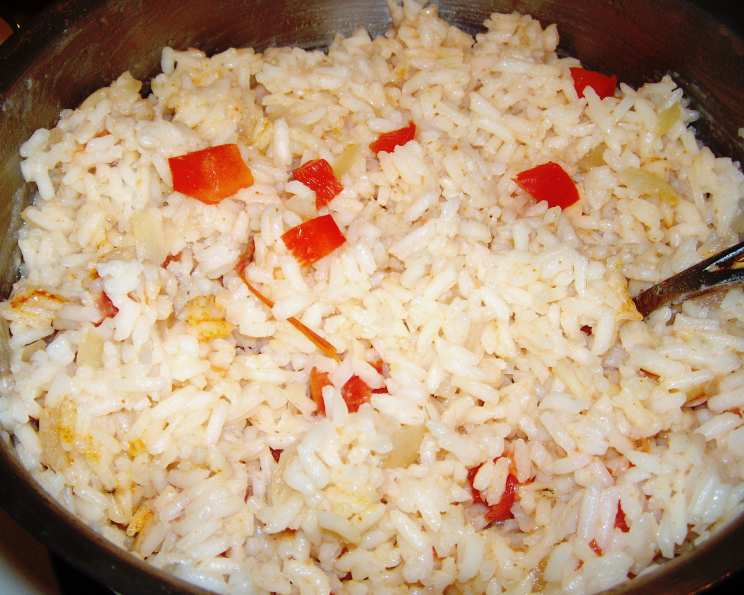
Nigerian Coconut Rice: A Flavorful Journey to West Africa
The scent of coconut rice instantly transports me back to my childhood summers. My auntie, a whirlwind of energy and spice, would always prepare a massive pot of this fragrant dish for family gatherings. The sweet aroma of coconut milk mingling with the fiery kick of habaneros was the soundtrack to laughter, stories, and countless memories. It wasn’t just food; it was love on a plate, a taste of home that I cherish to this day.
Recipe Overview
- Prep Time: 15 minutes
- Cook Time: 25-30 minutes
- Total Time: 40-45 minutes
- Servings: 4
- Yield: Approximately 6 cups
- Dietary Type: Gluten-Free
Ingredients
- 1 cup rice (feel free to substitute brown rice if needed)
- 1 (15 ounce) can coconut milk
- 1 (29 ounce) can diced tomatoes
- 4 medium habanero peppers
- 1 small green pepper, diced
- 1 small yellow onion, diced
- 1/4 cup vegetable oil
- 1 teaspoon sea salt
- 1 teaspoon black pepper
Equipment Needed
- Large pot with lid
- Colander or fine-mesh sieve
- Cutting board
- Knife
Instructions
- Begin by boiling the rice in water for about 10-15 minutes. You want it partially cooked, but still firm. Don’t overcook it at this stage, as it will continue to cook in the coconut milk mixture. The grains should be separate and not mushy.
- While the rice is boiling, prepare the aromatic base. In a large cooking pot, heat the vegetable oil over medium heat. The oil should shimmer but not smoke.
- Add the diced yellow onions to the heated oil and stir with black pepper for about one minute. The onions should become translucent and fragrant. The black pepper will bloom in the hot oil, releasing its aroma.
- Next, add the canned diced tomatoes, habanero peppers, and coconut milk along with the sea salt. Stir well to combine all the ingredients. If you’re sensitive to heat, consider using fewer habaneros or removing the seeds and membranes, as most of the capsaicin (the compound that makes peppers spicy) is concentrated there.
- Cover the pot and cook for about 7 minutes, or until the mixture comes to a boil. This allows the flavors to meld together and the tomatoes to break down slightly, creating a rich and flavorful sauce.
- Drain the partially cooked rice in a colander or fine-mesh sieve, removing excess water.
- Add the rice to the pot with the coconut milk mixture. Stir gently to ensure the rice is evenly coated with the sauce.
- Cover the pot again and cook for about 7 minutes, or until the rice is almost dry. The rice should absorb most of the liquid, but still have a slightly moist consistency.
- Finally, add the diced green peppers to the pot.
- Reduce the heat to low and let simmer until the rice has absorbed all the juices. The rice should be tender and fluffy, with no excess liquid remaining in the pot. This step may take another 5-10 minutes, depending on your stove and the type of rice you are using. Keep the pot covered and stir occasionally to prevent sticking.
- Once the rice is cooked through, remove from heat and let rest for a few minutes before serving. This allows the flavors to fully develop.
- Enjoy!
Note: Feel free to add more salt and pepper to your taste. Taste the rice at the end and adjust the seasoning as needed.
Expert Tips & Tricks
- Spice Level Adjustment: The habaneros provide a significant amount of heat. If you prefer a milder dish, reduce the number of peppers or remove their seeds and membranes. For those who can’t handle any spice, substitute with a milder pepper like a jalapeño, or omit the peppers altogether.
- Rice Selection: While white rice is traditionally used, brown rice offers a nuttier flavor and higher fiber content. Adjust cooking time as needed, as brown rice typically requires longer cooking times. Basmati or Jasmine rice also work well, adding their distinct aroma to the dish.
- Coconut Milk Consistency: Canned coconut milk often separates, with the thicker cream rising to the top. Be sure to shake the can well before opening to ensure even distribution. You can also use fresh coconut milk if available, which will result in an even richer flavor.
- Tomato Options: If you prefer a smoother texture, you can use crushed tomatoes instead of diced tomatoes. Alternatively, you can blend the diced tomatoes before adding them to the pot.
Serving & Storage Suggestions
Serve the Nigerian Coconut Rice hot as a side dish or as a base for grilled chicken, fish, or vegetables. Garnish with fresh cilantro or parsley for a pop of color and flavor. Leftovers can be stored in an airtight container in the refrigerator for up to 3 days. To reheat, simply microwave until heated through, or warm in a skillet over low heat, adding a splash of water or coconut milk if needed to prevent sticking. The rice can also be frozen for up to 2 months. Thaw overnight in the refrigerator before reheating.
Nutritional Information
| Nutrient | Amount per Serving | % Daily Value |
|---|---|---|
| Calories | 759 kcal | N/A |
| Total Fat | 32.7g | 50% |
| Saturated Fat | 19.1g | 95% |
| Cholesterol | 0mg | 0% |
| Sodium | 637.5mg | 26% |
| Total Carbohydrate | 112.6g | 37% |
| Dietary Fiber | 4.8g | 19% |
| Sugars | 66.2g | N/A |
| Protein | 7.6g | 15% |
Nutritional information is an estimate and may vary based on specific ingredients and preparation methods.
Variations & Substitutions
- Vegan Option: This recipe is already vegan! Just be sure to use vegetable oil and not any animal-based fats.
- Protein Boost: Add cooked chicken, shrimp, or tofu to the rice for a complete meal.
- Vegetable Medley: Incorporate other vegetables such as carrots, peas, or bell peppers for added nutrients and flavor.
- Herby Twist: Experiment with different herbs like thyme, rosemary, or bay leaf for a unique flavor profile.
- Spice it Up (Even More!): For serious spice lovers, a dash of cayenne pepper or a scotch bonnet pepper can take the heat to the next level.
FAQs (Frequently Asked Questions)
Q: Can I use unsweetened coconut milk?
A: Yes, you can use unsweetened coconut milk. The sweetness from the tomatoes and the natural sugars in the rice will still provide a balanced flavor. You might want to add a tiny pinch of sugar if you prefer a slightly sweeter dish.
Q: How do I prevent the rice from sticking to the bottom of the pot?
A: Make sure to use a pot with a heavy bottom and stir the rice occasionally during the simmering process. Keeping the heat on low will also help prevent sticking.
Q: Can I make this recipe ahead of time?
A: Absolutely! Coconut rice can be made a day or two in advance and stored in the refrigerator. Reheat gently on the stovetop or in the microwave before serving.
Q: What’s the best way to adjust the spice level?
A: The easiest way is to control the number of habanero peppers you use. You can also remove the seeds and membranes from the peppers, as this is where most of the heat resides.
Q: Can I use a rice cooker for this recipe?
A: While not traditional, you can adapt this recipe for a rice cooker. Follow the instructions for your specific rice cooker, adjusting the liquid levels as needed. Add the coconut milk, tomatoes, peppers, and seasonings along with the rice.
Final Thoughts
Nigerian Coconut Rice is more than just a meal; it’s an experience. It’s a celebration of flavors, a journey to West Africa, and a reminder of the joy of sharing a delicious meal with loved ones. Don’t be intimidated by the spice – adjust it to your liking and make this dish your own. I encourage you to try this recipe, share your creations, and let the vibrant flavors of coconut rice transport you to a place of warmth, laughter, and unforgettable memories. Pair it with some grilled plantains and suya for a truly authentic Nigerian feast!