
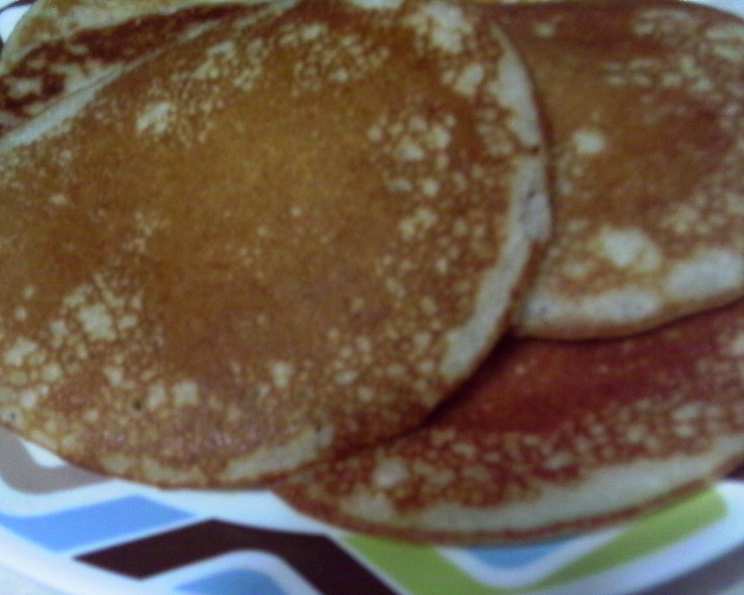
Coconut Rice Pancakes (Vibibi): A Taste of East Africa
I can still recall the aroma of Vibibi wafting through my grandmother’s kitchen in Mombasa. The sweet, slightly tangy scent of coconut and cardamom would fill the air, promising a warm and comforting treat. As children, we’d gather around the table, eagerly awaiting these golden-brown pancakes, ready to devour them with a steaming cup of chai. Every bite was a little piece of home.
Recipe Overview
- Prep Time: 30 minutes + 3-4 hours rising
- Cook Time: 20-30 minutes
- Total Time: 4-5 hours
- Yields: 8 pancakes
- Serves: 2-4
- Dietary Type: Vegetarian
Ingredients
- 1 tablespoon yeast
- ½ cup warm water
- 2 cups rice flour
- 1 ½ cups coconut milk (canned)
- ¼ teaspoon cardamom
- 1 cup sugar
- ¼ cup oil (for cooking)
Equipment Needed
- Blender
- Mixing bowls
- Small frying pan (non-stick recommended)
- Lid for frying pan
- Spatula
Instructions
-
Begin by dissolving the yeast in ½ cup of warm water. Add a pinch of sugar to feed the yeast and set aside for about 5-10 minutes, until the yeast mixture foams. This step is crucial to ensure your pancakes rise properly. If the yeast doesn’t foam, it’s likely old and needs to be replaced.
-
In a blender, combine the 2 cups of rice flour and 1 ½ cups of coconut milk. Blend until smooth. This initial blend ensures a consistent batter. You can also use a whisk if you don’t have a blender, but make sure there are no lumps.
-
Add the foamy yeast mixture and ¼ teaspoon of cardamom to the blended rice flour and coconut milk. Blend again until well combined. The cardamom adds a warm, fragrant note that complements the coconut beautifully.
-
Cover the batter and place it in a warm place to let it rise for a few hours, ideally 2-3 hours. A warm environment encourages the yeast to work its magic, creating air bubbles that result in light and fluffy pancakes. You can place the bowl in a slightly warmed oven (turned off!) or near a sunny window.
-
Once the batter has doubled in size, gently add the 1 cup of sugar and mix well. Be careful not to deflate the batter too much during this step. The sugar adds sweetness and helps to caramelize the pancakes during cooking.
-
Leave the batter again for about an hour or two in a warm place to rise further. This second rise allows the flavors to meld and the batter to become even lighter. Patience is key for perfectly risen Vibibi!
-
Heat up your small frying pan over medium heat. Add a drop of oil (about ½ teaspoon) and spread it around the pan evenly using a paper towel. The oil prevents the pancakes from sticking and helps them achieve a golden-brown color.
-
When the pan is hot, pour some of the batter (about ¼ cup) into the pan and spread it to form a circle, just like when making regular pancakes. The consistency should be pourable but not too runny.
-
Cover the pan with a lid. This traps the heat and helps the pancakes cook evenly.
-
Keep checking the pancake, and when it’s golden brown on the bottom, carefully flip it with a spatula. This usually takes about 3-5 minutes per side, but adjust the cooking time depending on your stove.
-
Repeat the process with the remaining batter, adding more oil to the pan when necessary to prevent sticking. Ensure that the pan is properly heated before adding the batter.
-
Serve warm and enjoy with a cup of Chai (Tea) or your favorite beverage!
Expert Tips & Tricks
- Rice Flour Quality: Use high-quality, finely ground rice flour for the best texture. Coarse rice flour can result in gritty pancakes.
- Coconut Milk Consistency: Full-fat canned coconut milk provides the richest flavor and texture. If you’re using a thinner coconut milk, you may need to adjust the amount of rice flour.
- Yeast Proofing: Always proof your yeast to ensure it’s active before adding it to the batter. This prevents wasted ingredients and ensures a successful rise.
- Low and Slow: Cook the pancakes over medium-low heat to prevent burning and ensure they cook through evenly.
- Gentle Handling: Be gentle when mixing the batter after the first rise to avoid deflating it.
- Pan Temperature: Maintain a consistent pan temperature throughout the cooking process. If the pan is too hot, the pancakes will burn; if it’s too cold, they’ll be pale and sticky.
- Make Ahead: The batter can be made ahead of time and stored in the refrigerator for up to 24 hours. Bring it to room temperature before cooking.
Serving & Storage Suggestions
Serve Vibibi warm, ideally fresh off the pan. They are traditionally enjoyed with a steaming cup of Chai (spiced tea), but coffee or other beverages also complement them well. You can also add a dollop of yogurt or a sprinkle of toasted coconut flakes for extra flavor and texture.
Leftover Vibibi can be stored in an airtight container at room temperature for up to 2 days or in the refrigerator for up to 4 days. To reheat, warm them in a skillet over low heat or in the microwave. They may lose some of their crispness upon reheating. Freezing is not recommended as it can alter the texture.
Nutritional Information
(Estimates based on typical ingredients)
| Nutrient | Amount per Serving | % Daily Value |
|---|---|---|
| Calories | 250 kcal | 13% |
| Total Fat | 8g | 12% |
| Saturated Fat | 6g | 30% |
| Cholesterol | 0mg | 0% |
| Sodium | 50mg | 2% |
| Total Carbohydrate | 40g | 15% |
| Dietary Fiber | 2g | 8% |
| Sugars | 20g | |
| Protein | 3g | 6% |
Variations & Substitutions
- Gluten-Free: This recipe is naturally gluten-free since it uses rice flour. Ensure all ingredients are certified gluten-free if you have a severe allergy.
- Dairy-Free: The recipe is dairy-free when using canned coconut milk.
- Sweetness Level: Adjust the amount of sugar to your preference. You can also use other sweeteners, such as honey or maple syrup, but this will alter the flavor slightly.
- Spice Variations: Experiment with other spices, such as nutmeg, cinnamon, or ginger, to create different flavor profiles.
- Toppings: Get creative with your toppings! Try fresh fruit, shredded coconut, chopped nuts, or a drizzle of honey or maple syrup.
FAQs (Frequently Asked Questions)
Q: Why is my batter not rising?
A: The most common reason is inactive yeast. Make sure to proof your yeast in warm water with a pinch of sugar to ensure it’s alive before adding it to the other ingredients. Also, ensure the batter is in a warm place to rise.
Q: My pancakes are burning on the outside but still raw inside. What am I doing wrong?
A: The heat is too high. Lower the heat to medium-low and cook the pancakes for a longer period, covering the pan with a lid to help them cook through evenly.
Q: Can I use regular milk instead of coconut milk?
A: While you can substitute regular milk, the coconut milk is essential for the authentic flavor and texture of Vibibi. It adds a richness and sweetness that is hard to replicate.
Q: Can I freeze the leftover pancakes?
A: Freezing is not recommended, as it can change the texture of the pancakes, making them slightly soggy. It’s best to store them in the refrigerator and reheat them gently.
Q: How do I prevent the pancakes from sticking to the pan?
A: Make sure your pan is properly heated before adding the batter, and use a non-stick pan if possible. Add a small amount of oil to the pan before each pancake and spread it evenly.
Final Thoughts
Coconut Rice Pancakes, or Vibibi, are more than just a recipe; they’re a taste of East Africa, a connection to family traditions, and a celebration of simple, wholesome ingredients. Don’t be intimidated by the rising time – the end result is absolutely worth the wait. I encourage you to try this recipe and experience the unique flavors of Vibibi for yourself. Feel free to experiment with different spices and toppings to create your own unique variations. And if you do, please share your creations and feedback; I’d love to hear about your culinary journey!