
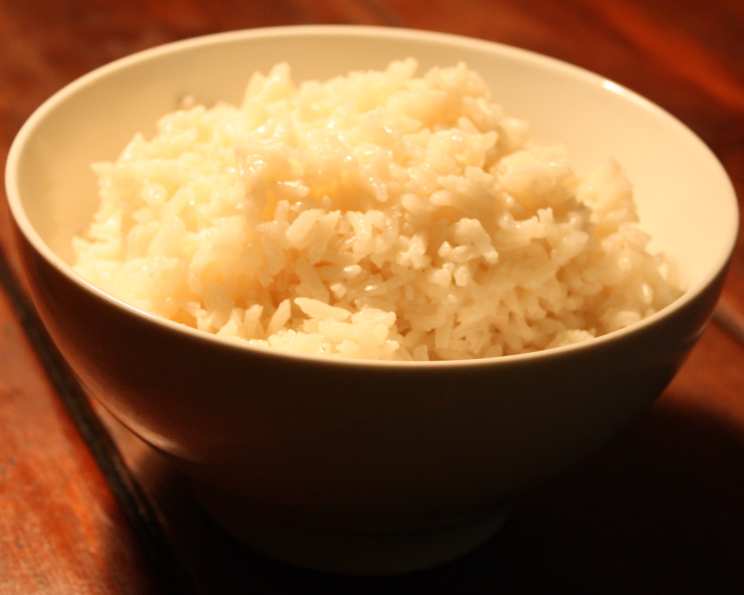
Creamy Coconut Rice: A Taste of Tropical Paradise
The first time I tasted truly exceptional coconut rice was at a tiny beachside shack in Thailand. The air hung heavy with the scent of salt and frangipani, and the rice, served alongside grilled fish, was a revelation. It wasn’t just rice; it was an experience – each grain plump, fragrant, and infused with the subtle sweetness of coconut. I remember thinking, “This is what rice should be.” Ever since, I’ve been chasing that perfect coconut rice, and this recipe is the closest I’ve come to recreating that magic.
Recipe Overview
- Prep Time: 2 minutes
- Cook Time: 15 minutes
- Total Time: 17 minutes
- Servings: 4
- Yield: 4 servings
- Dietary Type: Vegan, Gluten-Free, Dairy-Free
Ingredients
- 1 cup jasmine rice
- 1 (13 1/2 ounce) can coconut milk (about 1 1/2 cups)
- 1/8 cup water
- 3/4 teaspoon kosher salt
Equipment Needed
- Medium saucepan with a tight-fitting lid
Instructions
-
In a medium saucepan, combine the coconut milk and water. Bring the mixture to a boil over medium-high heat.
-
Once boiling, stir in the jasmine rice and kosher salt. Ensure the salt is evenly distributed.
-
Reduce the heat to low, cover the saucepan with the lid (it’s crucial the lid fits tightly to trap the steam), and simmer for 15 minutes. Do not remove the lid during this time, as releasing the steam will affect the final texture of the rice.
-
After 15 minutes, check to see if all the liquid has been absorbed. If not, continue to simmer for another 2-3 minutes, checking periodically. The rice is done when it’s tender and the liquid is fully absorbed.
-
Once cooked, remove the saucepan from the heat and let the rice rest, covered, for 5 minutes. This allows the steam to redistribute, ensuring each grain is perfectly cooked and fluffy.
-
Fluff the rice gently with a fork before serving. This helps to separate the grains and prevent clumping.
Expert Tips & Tricks
- Rice Selection: While this recipe calls for jasmine rice, you can experiment with other long-grain varieties like basmati. Short-grain rice will result in a stickier texture, which may not be desired.
- Coconut Milk Quality: Using high-quality, full-fat coconut milk is key for optimal flavor and creaminess. Avoid “lite” versions, as they lack the richness needed for this dish.
- Salt is Your Friend: Don’t skimp on the salt! It balances the sweetness of the coconut milk and enhances the overall flavor. Adjust the amount to your preference, but ¾ teaspoon is a good starting point.
- Perfecting the Simmer: Maintaining a low, gentle simmer is crucial for preventing the rice from burning on the bottom of the pan. If your stove tends to run hot, you may need to use an even lower setting or a heat diffuser.
- Preventing Sticking: To further prevent sticking, you can lightly grease the bottom of the saucepan with coconut oil before adding the ingredients.
- Adjusting Liquid Ratio: If you find that the rice is still too wet after 15 minutes, remove the lid and cook for a few more minutes to evaporate the excess liquid. Conversely, if the rice is too dry, add a tablespoon or two of water and continue to simmer.
- Flavor Boost: For an extra layer of flavor, try adding a small piece of ginger or a pandan leaf to the rice while it’s simmering. Remove them before serving.
Serving & Storage Suggestions
Coconut rice is incredibly versatile and pairs well with a variety of dishes. Serve it alongside grilled seafood, curries, stir-fries, or roasted meats. It also makes a delicious base for fruit salads or breakfast bowls.
To store leftover coconut rice, let it cool completely before transferring it to an airtight container. It can be stored in the refrigerator for up to 3 days.
To reheat, add a tablespoon of water or coconut milk to the rice and microwave it for 1-2 minutes, or until heated through. You can also reheat it in a saucepan over low heat, stirring occasionally. It’s best to use it within a couple of days, as the rice can dry out over time. Freezing is not recommended as it alters the texture.
Nutritional Information
| Nutrient | Amount per Serving | % Daily Value |
|---|---|---|
| Calories | 527.8 kcal | N/A |
| Calories from Fat | 148 g | 28% |
| Total Fat | 16.6 g | 25% |
| Saturated Fat | 15.5 g | 77% |
| Cholesterol | 0 mg | 0% |
| Sodium | 366.4 mg | 15% |
| Total Carbohydrate | 90.9 g | 30% |
| Dietary Fiber | 1.5 g | 5% |
| Sugars | 51.5 g | N/A |
| Protein | 4.3 g | 8% |
Variations & Substitutions
- Sweet Coconut Rice: Add a tablespoon or two of sugar or honey to the rice while it’s simmering for a sweeter version. This is especially delicious when served with fruit.
- Savory Coconut Rice: Incorporate finely chopped vegetables like bell peppers, onions, or carrots into the rice for a more savory dish.
- Spiced Coconut Rice: Add a pinch of ground cinnamon, cardamom, or nutmeg to the rice for a warm and aromatic flavor.
- Herbed Coconut Rice: Stir in fresh herbs like cilantro, parsley, or mint after the rice is cooked for a vibrant and flavorful side dish.
- Coconut Oil: Substitute 1 tablespoon of coconut oil for some of the coconut milk for an extra coconutty kick.
FAQs (Frequently Asked Questions)
Q: Can I use brown rice instead of jasmine rice?
A: Yes, you can, but you’ll need to adjust the cooking time and liquid ratio. Brown rice typically requires more water and a longer cooking time than jasmine rice. Expect to simmer it for about 45-50 minutes.
Q: Can I make this in a rice cooker?
A: Absolutely! Simply combine all the ingredients in your rice cooker and follow the manufacturer’s instructions for cooking white rice.
Q: My coconut rice is gummy. What did I do wrong?
A: Overcooking or using too much liquid can result in gummy rice. Make sure to measure the ingredients accurately and avoid stirring the rice too much during cooking.
Q: Can I add other flavors to the coconut rice?
A: Definitely! Try adding spices like ginger, lemongrass, or chili flakes for a more complex flavor profile.
Q: What’s the best way to prevent the rice from sticking to the bottom of the pan?
A: Use a heavy-bottomed saucepan and lightly grease it with coconut oil before adding the ingredients. Also, ensure that the heat is low enough to maintain a gentle simmer.
Final Thoughts
Coconut rice is more than just a side dish; it’s an invitation to explore the flavors of the tropics. Its creamy texture and subtle sweetness elevate any meal, transforming ordinary ingredients into something truly special. Don’t be afraid to experiment with different variations and find your perfect coconut rice creation. Whether you serve it alongside a spicy curry or a simple grilled fish, this recipe is sure to become a staple in your kitchen. So go ahead, embrace the flavors of paradise and discover the magic of coconut rice!