
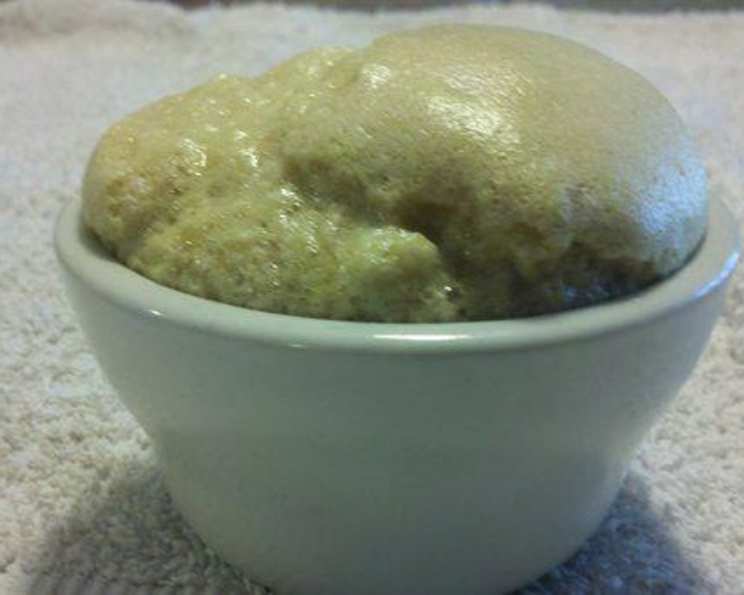
The Espresso Kiss: A Coffee Soufflé Revelation
I remember the first time I tasted a truly exceptional soufflé. It was in a tiny Parisian bistro, the kind where the aroma of butter and coffee hangs heavy in the air. The waiter presented it with a flourish – a towering, golden cloud trembling slightly on the plate. I wasn’t a coffee drinker then, but something about the rich, dark scent drew me in. One bite, and I was converted. The airy texture, the subtle bitterness of the coffee perfectly balanced with sweetness… it was pure magic. Ever since, I’ve been on a quest to recreate that moment, and this coffee soufflé comes incredibly close.
Recipe Overview
- Prep Time: 20 minutes
- Cook Time: 10 minutes
- Total Time: 30 minutes
- Servings: 2
- Yield: 2 soufflés
- Dietary Type: Not Gluten-Free
Ingredients
- 1/2 cup milk
- 1/4 cup espresso coffee
- 3 1/2 tablespoons caster sugar
- 2 tablespoons butter
- 2 tablespoons cornstarch
- 2 egg yolks
- 2 egg whites
- 1 tablespoon caster sugar, extra
- Butter, for greasing the molds
- Caster sugar, for coating the molds
Equipment Needed
- Small saucepan
- Whisk
- 2 ramekins or soufflé molds
- Oven
- Oven tray
Instructions
-
Begin by preheating your oven to 180°C/350°F. Place an oven tray inside the oven as it heats. This heated tray is crucial, ensuring maximum heat exposure for the soufflés and helping them rise dramatically.
-
Prepare your molds. Generously butter the insides of your ramekins or soufflé molds using upward strokes. This specific direction helps the soufflé climb evenly as it bakes. Next, add a spoonful of caster sugar into each mold. Tilt and turn the mold, ensuring it’s entirely coated with sugar. Discard any excess sugar. This sugary coating provides a slight grip for the rising soufflé and adds a delicious caramelized edge.
-
Now, let’s make the custard. In a small saucepan, combine the milk, espresso coffee, and 3 1/2 tablespoons caster sugar. Stir continuously to dissolve the sugar completely. Bring the mixture to a near boil over medium heat, then remove from the heat and set aside.
-
In another saucepan, melt the butter over gentle heat. Once melted, add the cornstarch. Whisk constantly until the mixture is smooth and forms a paste. Gradually pour in the milk mixture, whisking vigorously to prevent any lumps from forming. Continue whisking until the custard thickens, then remove from the heat.
-
Allow the custard to cool slightly. This is important to prevent the egg yolks from scrambling. Once cooled slightly, add the egg yolks and stir vigorously. This step is critical – stir rapidly to fully incorporate the yolks and create a thick, glossy mixture. Set the custard aside to cool further.
-
It’s time to prepare the egg whites. In a clean bowl, whisk the egg whites until soft peaks form. This is when the peaks hold their shape but gently curl at the tip. Add the extra tablespoon of caster sugar and continue whisking until the egg whites are glossy and form stiff peaks. The sugar stabilizes the egg whites, creating a strong and stable structure for the soufflé.
-
Let’s assemble the soufflé batter. Take a quarter of the whipped egg white mixture and add it to the cooled custard. Stir well to loosen the mixture and make it easier to fold in the remaining egg whites. Gently fold in the remaining egg whites, being careful to preserve as much air as possible. Avoid overmixing, as this will deflate the egg whites and prevent the soufflé from rising properly.
-
Spoon the soufflé batter into your prepared molds, filling them about three-quarters full. Use your finger to create an indentation between the edge of the mold and the filling. This encourages the soufflé to rise straight up rather than spilling over the sides.
-
Carefully place the molds onto the preheated oven tray. Bake for approximately 10 minutes. The actual cooking time will vary depending on the size of your molds and your oven. Keep the oven light on so you can monitor their progress without opening the door. Opening the oven door can cause the soufflés to collapse.
-
The soufflés are done when they have risen dramatically and are golden brown on top. The center should still have a slight wobble. Serve immediately.
Expert Tips & Tricks
- For the best rise, ensure your egg whites are at room temperature before whisking. A pinch of salt can also help stabilize them.
- Don’t overbake the soufflés! A slight wobble in the center is ideal; they will continue to cook slightly after being removed from the oven.
- If your soufflés are browning too quickly, gently tent them with foil during the last few minutes of baking.
- The upward strokes when buttering your molds are crucial. It gives the soufflé a “ladder” to climb.
- A little coffee liqueur can be added to the custard for a more intense coffee flavour.
Serving & Storage Suggestions
Soufflés are best served immediately, as they tend to deflate over time. Serve them straight from the oven, while they are still tall and airy. Dust with a little extra caster sugar or cocoa powder for an elegant finish. A dollop of whipped cream or a scoop of vanilla ice cream complements the coffee flavor beautifully.
Unfortunately, soufflés don’t store well. They are best enjoyed fresh. Attempting to refrigerate and reheat them will result in a dense, flat texture. If you must store them, do so in the refrigerator for no more than a few hours, but be aware that they will deflate. Reheating is not recommended.
Nutritional Information
| Nutrient | Amount per Serving | % Daily Value |
|---|---|---|
| Calories | 174 kcal | N/A |
| Calories from Fat | 80 g | 46% |
| Total Fat | 9 g | 13% |
| Saturated Fat | 5.1 g | 25% |
| Cholesterol | 102.5 mg | 34% |
| Sodium | 99.3 mg | 4% |
| Total Carbohydrate | 19.6 g | 6% |
| Dietary Fiber | 0 g | 0% |
| Sugars | 14.3 g | 57% |
| Protein | 4.1 g | 8% |
Note: Nutritional information is an estimate and may vary based on specific ingredients and portion sizes.
Variations & Substitutions
- For a mocha soufflé, add a tablespoon of cocoa powder to the custard mixture.
- Try using decaf espresso for a milder coffee flavor.
- If you don’t have caster sugar, granulated sugar can be used, but it may not dissolve as easily.
- For a richer flavor, use brown butter instead of regular butter.
- Add a splash of vanilla extract or a pinch of cinnamon to the custard for added depth.
FAQs (Frequently Asked Questions)
Q: Why did my soufflé not rise?
A: There are several reasons why a soufflé might not rise. Common culprits include not whisking the egg whites to stiff peaks, overmixing the batter, opening the oven door during baking, or using ramekins that are too large.
Q: Can I make the custard ahead of time?
A: Yes, you can make the custard a few hours in advance. Cover it tightly with plastic wrap, pressing the wrap directly onto the surface to prevent a skin from forming. Keep it refrigerated until ready to use.
Q: Can I use regular coffee instead of espresso?
A: While espresso is recommended for its concentrated flavor, you can use strongly brewed regular coffee. Just be sure to reduce the amount of milk accordingly to maintain the desired consistency.
Q: How do I prevent the soufflé from collapsing after baking?
A: Serve the soufflé immediately after baking. Soufflés are delicate and naturally deflate over time.
Q: What if I don’t have ramekins?
A: You can use any oven-safe dish with straight sides, such as a small casserole dish or even a sturdy mug. Just be sure to adjust the baking time accordingly.
Final Thoughts
This coffee soufflé is more than just a dessert; it’s an experience. The delicate balance of flavors, the airy texture, and the sheer drama of a perfectly risen soufflé make it a truly unforgettable treat. I encourage you to try this recipe and share the magic with your loved ones. Don’t be intimidated by the reputation of soufflés – with a little practice and attention to detail, you’ll be creating stunning desserts that will impress everyone. And perhaps, like me, you’ll find yourself transported back to that tiny Parisian bistro with every bite. Enjoy!