
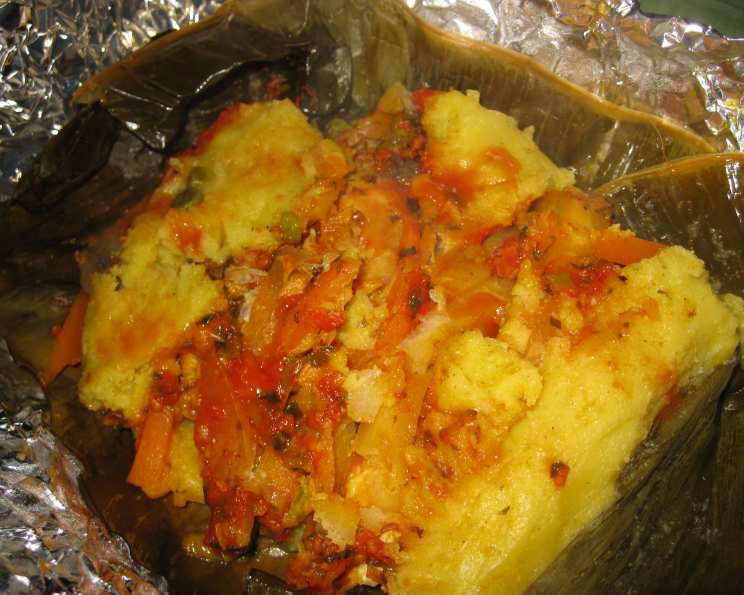
A Taste of Home: Crafting Authentic Colombian Tamales
The aroma alone transports me back to my days studying abroad in Bogotá. Every Sunday, the tantalizing scent of simmering banana leaves would waft from the kitchen of my host family, signaling that tamales were on the menu. Each bite was a celebration – a symphony of savory meat, tender vegetables, and the comforting embrace of masa, all wrapped in the earthy fragrance of the leaf. These weren’t just meals; they were traditions, carefully assembled and shared with love. Making them myself now allows me to recreate those cherished memories, bringing a little piece of Colombia into my own kitchen.
Recipe Overview
- Prep Time: 1 hour (plus overnight marinating)
- Cook Time: 3 hours
- Total Time: 4 hours 1 hour (plus overnight marinating)
- Yields: 6 tamales
- Serves: 6
- Dietary Type: Not Gluten-Free
Ingredients
- 3 chicken thighs, skin removed and cut in half lengthwise with equal portions of meat
- 6 pork ribs (spareribs)
- 3 bunches green onions (scallions)
- 6 garlic cloves
- 1 tablespoon ground cumin
- 2 teaspoons Sazon Goya (2 packets)
- 2 large tomatoes, chopped
- 1/4 cup fresh cilantro, chopped
- 1/8 cup sugar
- 1/2 cup white vinegar
- Salt to taste
- 1 tablespoon olive oil
- 1/4 cup fresh lemon juice
- 3 cups masa harina, prepared with chicken broth instead of water and a little salt
- 2 large carrots, peeled and sliced
- 1/2 cup frozen green peas
- 2 large red potatoes, scrubbed and sliced into sticks like French fries
- 3 hard-boiled eggs, sliced (optional)
- Banana leaves, cut into 12-inch square pieces, rinsed in very hot tap water
- Kitchen string
- Aluminum foil
Equipment Needed
- Plastic baggies
- Large skillet
- Large bowl
- Large Dutch oven
- Steamer insert
Instructions
- Prepare the marinade: The night before you plan to make the tamales, take the first step. Chop one bunch of green onions. Mince 2 garlic cloves. In a large bowl, combine the chopped green onions, minced garlic, 1 teaspoon ground cumin, and 1 packet of Sazon Goya.
- Marinate the meat: Rub the marinade mixture all over the chicken thighs and pork ribs. Place the marinated chicken and ribs in separate plastic baggies to marinate in the refrigerator overnight. This allows the flavors to penetrate deeply, creating a richer, more flavorful tamale.
- Make the “Hogao”: Next, create the hogao, a traditional Colombian sofrito that forms the heart of the tamale’s flavor. Chop the tomatoes and another bunch of green onions. Mince 2 garlic cloves. In a large skillet, combine the chopped tomatoes, chopped green onions, minced garlic, 1 teaspoon ground cumin, 1/2 packet of Sazon Goya, 1/6 cup of chopped cilantro, 1 tablespoon olive oil, and salt to taste.
- Sauté the hogao: Sauté the mixture over medium heat until everything is soft and tender, achieving a mushy consistency. This process typically takes about 15-20 minutes. Cool the hogao completely, then refrigerate it until you’re ready to assemble the tamales.
- Prepare the “Pique” Sauce: Now, whip up the pique sauce, a vibrant condiment to drizzle over the tamales. Chop the remaining bunch of green onions. Mince the remaining 3 garlic cloves. In a bowl, combine the chopped green onions, minced garlic, 1/4 cup fresh lemon juice, the remaining chopped cilantro, 1 teaspoon ground cumin, 1/8 cup sugar, 1/2 cup white vinegar, and salt to taste.
- Let the flavors meld: Allow the pique sauce to sit for at least 2 hours before serving to allow the flavors to develop and meld together beautifully. Refrigerate until serving.
- Prepare the Masa: Follow the package directions for preparing the masa harina, but use chicken broth instead of water. Add a pinch of salt to taste. The masa should have a good flavor, unlike an arepa, which is intentionally more bland.
- Achieve the right consistency: The masa should be fairly moist but still hold its shape like a dough when pressed. If the masa is too wet, you can still use it, but it will be more challenging to work with.
- Assemble the tamales: This is arguably the most challenging part. Place about 1/4 cup of masa in the center of a banana leaf and spread it out. Place one pork rib and one piece of chicken thigh on top of the masa.
- Add the fillings: Place about 3 slices of carrots, 6 potato sticks, and 3 slices of hard-boiled egg (optional) on top of the meat. Sprinkle with peas. Spoon 3 tablespoons of the hogao (sofrito) over everything.
- Top with more masa: Top with another 1/2 cup of masa, spreading it out over the fillings. It doesn’t have to be perfectly uniform or neat.
- Form the packet: Pull up the sides of the banana leaf to form a packet. Tie the packet securely with kitchen string, ensuring that none of the filling seeps out. If the leaves break, reinforce them with extra pieces of banana leaf.
- Wrap in foil: Wrap each tamale packet in aluminum foil.
- Repeat: Repeat steps 9-13 five more times until all the ingredients are used up.
- Steam the tamales: Use a large Dutch oven with a steamer insert, ensuring that the tamales don’t touch the water at the bottom. The water level should reach just below the steamer insert.
- Cook the tamales: These need to cook for about 3 hours. You will likely need to replenish the water during the cooking process, so check it periodically.
- Steam at high heat: Stack the tamales all the way to the top in the steamer pot and turn the heat to high. Once you hear the water boiling furiously, turn the heat down to medium to maintain a steady simmer.
- Refrigerate or freeze: If your pot cannot hold all the tamales at once, refrigerate or freeze the remaining assembled tamales until you can steam them later.
- Serve: Serve the tamales hot on a section of banana leaf. Provide the pique sauce on the side for drizzling over bites of the tamale.
Expert Tips & Tricks
- Banana Leaf Preparation: Thoroughly rinsing the banana leaves in very hot water not only cleans them but also makes them more pliable and easier to work with.
- Marinating is Key: Don’t skimp on the marinating time. The longer the meat marinates, the more flavorful the tamales will be.
- Masa Consistency: Achieving the correct masa consistency is crucial. It should be moist enough to spread but firm enough to hold its shape. If it’s too wet, add a little more masa harina. If it’s too dry, add a touch more chicken broth.
- Steaming Success: Ensure the water level in your steamer is consistently maintained throughout the cooking process. Running out of water will result in unevenly cooked tamales.
Serving & Storage Suggestions
Serve the freshly steamed tamales immediately on a section of banana leaf for an authentic touch. The vibrant pique sauce adds a delightful contrast to the rich, savory flavors of the tamale.
Leftover tamales can be stored in the refrigerator for up to 3 days. Ensure they are tightly wrapped in foil or placed in an airtight container. They can also be frozen for up to 2 months. To reheat, steam them again for about 30 minutes, or microwave them until heated through. For best results, add a tablespoon of water before microwaving to maintain moisture.
Nutritional Information
Please note that these values are estimates and can vary based on specific ingredients and portion sizes.
| Nutrient | Amount per Serving | % Daily Value |
|---|---|---|
| Calories | 550 kcal | 28% |
| Total Fat | 25g | 38% |
| Saturated Fat | 8g | 40% |
| Cholesterol | 55mg | 18% |
| Sodium | 150mg | 7% |
| Carbohydrates | 65g | 22% |
| Fiber | 8g | 32% |
| Sugar | 12g | N/A |
| Protein | 20g | 40% |
Variations & Substitutions
- Vegetarian Tamales: Substitute the chicken and pork with hearty vegetables like mushrooms, butternut squash, and corn.
- Spicy Tamales: Add a finely chopped jalapeño or a pinch of cayenne pepper to the hogao for a spicy kick.
- Gluten-Free Tamales: While masa harina is naturally gluten-free, always double-check the label to ensure it’s processed in a gluten-free facility.
- Regional Variations: Each region of Colombia has its own unique twist on tamales. Experiment with different fillings like potatoes, rice, or different types of meat.
FAQs (Frequently Asked Questions)
Q: Can I make the tamales ahead of time?
A: Yes, you can assemble the tamales and store them in the refrigerator for up to 24 hours before steaming. You can also freeze them for longer storage.
Q: What if I can’t find banana leaves?
A: While banana leaves are essential for the authentic flavor and aroma, you can try using parchment paper or corn husks as a substitute, although the taste will be slightly different.
Q: How do I know when the tamales are done?
A: The tamales are done when the masa pulls away easily from the banana leaf and feels firm to the touch.
Q: Can I use a different type of broth for the masa?
A: Yes, you can use vegetable broth instead of chicken broth for a vegetarian option.
Q: What if my masa is too dry?
A: Gradually add more chicken broth, one tablespoon at a time, until you reach the desired consistency.
Final Thoughts
Crafting these Colombian tamales is more than just following a recipe; it’s an invitation to immerse yourself in a vibrant culinary tradition. Don’t be intimidated by the multi-step process – each element contributes to the final symphony of flavors. So, gather your ingredients, invite some friends over, and embark on this rewarding culinary adventure. I encourage you to share your experience and any creative twists you add to the recipe. Pair these delicious tamales with a refreshing aguapanela or a bold Colombian coffee for the complete experience! Buen provecho!