
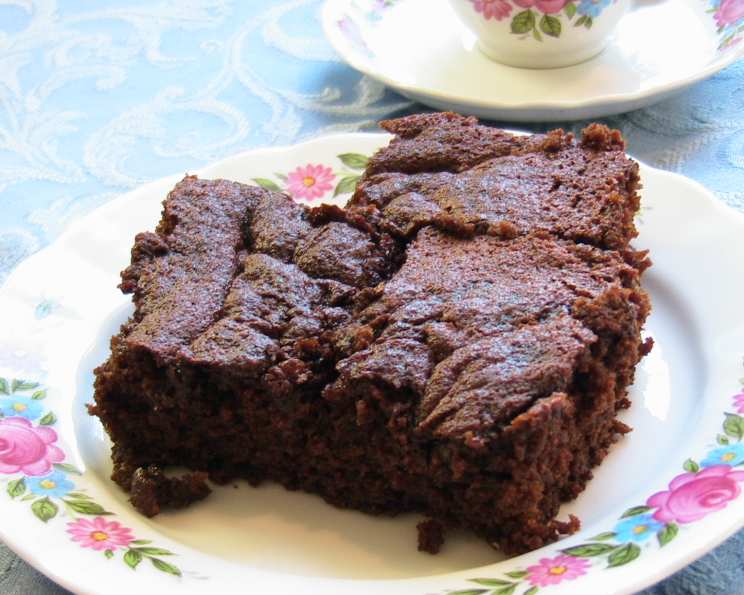
Colonial Gingerbread: A Taste of History
The scent of gingerbread always transports me back to my grandmother’s kitchen. Every Thanksgiving, amidst the flurry of pies and roasted turkey, she’d quietly pull out her well-worn recipe box. Inside, tucked between handwritten cards yellowed with age, was her secret to the most comforting gingerbread imaginable. It wasn’t fancy, just a simple, deeply spiced cake that filled the house with warmth, a tangible expression of love poured into every bite. This Colonial Gingerbread recipe, with its rich molasses notes and warm spices, evokes that same feeling, a culinary hug from the past.
Recipe Overview
- Prep Time: 15 minutes
- Cook Time: 1 hour
- Total Time: 1 hour 15 minutes
- Servings: 12
- Yield: 1 (9×9 inch) cake
- Dietary Type: Not specified (contains gluten, dairy, and egg)
Ingredients
- 2 cups flour
- 1 cup molasses
- 3/4 cup buttermilk (Note: If you don’t have buttermilk, you can substitute 1 tablespoon of vinegar plus enough milk to equal 3/4 cup.)
- 1/2 cup sugar
- 1/2 cup butter, softened
- 1 teaspoon baking soda
- 1 teaspoon ground ginger
- 1 teaspoon ground cinnamon
- 1/2 teaspoon salt
- 1 egg
Equipment Needed
- 9x9x2 inch baking pan
- Mixing bowls
- Electric mixer
- Rubber spatula
- Measuring cups and spoons
- Wire rack
- Toothpick
Instructions
- Begin by preheating your oven to 325 degrees Fahrenheit (160 degrees Celsius). This lower temperature allows the gingerbread to bake evenly and prevents the edges from drying out before the center is cooked through.
- Prepare your baking pan by thoroughly buttering it. This will help prevent the gingerbread from sticking. Follow the butter with a light dusting of flour, ensuring every surface is coated. Tap out any excess flour. This step is crucial for easy removal after baking.
- In a large bowl, combine all of the ingredients: 2 cups flour, 1 cup molasses, 3/4 cup buttermilk, 1/2 cup sugar, 1/2 cup softened butter, 1 teaspoon baking soda, 1 teaspoon ground ginger, 1 teaspoon ground cinnamon, 1/2 teaspoon salt, and 1 egg.
- Using an electric mixer set to low speed, beat the ingredients together until they are just blended. Make sure to scrape the sides and bottom of the bowl constantly with a rubber spatula to ensure everything is incorporated evenly.
- Increase the mixer speed to medium and continue to beat for 3 minutes. Again, remember to scrape the bowl occasionally to ensure a homogenous batter. This extended beating helps to develop the gluten in the flour, contributing to the cake’s structure.
- Carefully pour the batter into the prepared 9x9x2 inch pan, spreading it evenly.
- Bake in the preheated oven for 1 hour, or until a toothpick inserted into the center comes out clean. A few moist crumbs clinging to the toothpick are fine, but the batter should not be wet. Check for doneness after 50 minutes, as oven temperatures can vary. If the top is browning too quickly, loosely tent the pan with foil.
- Once baked, cool the gingerbread in the pan on a wire rack. Allowing it to cool completely in the pan helps to prevent it from cracking.
- Once the gingerbread is cool, you can remove it from the pan and slice into squares to serve.
Expert Tips & Tricks
- Molasses Matters: The type of molasses you use will significantly impact the flavor of your gingerbread. For a milder flavor, use light molasses. For a richer, more robust taste, use dark molasses. Blackstrap molasses has a very strong, almost bitter flavor and is best used sparingly or in combination with lighter molasses.
- Spice It Up: Don’t be afraid to adjust the spices to your liking. A pinch of ground cloves or nutmeg can add a warm, complex note. You can also use a gingerbread spice blend for convenience.
- Soft Butter is Key: Ensure your butter is properly softened before mixing. It should be pliable but not melted. Softened butter will cream more easily with the sugar, resulting in a lighter, more tender cake.
- Buttermilk Substitute: If you don’t have buttermilk on hand, a simple substitute is to combine 1 tablespoon of vinegar (white or apple cider vinegar works well) with enough milk to equal 3/4 cup. Let it sit for 5 minutes before using. You can also use plain yogurt or sour cream thinned with a little milk.
- Even Baking: To ensure even baking, rotate the pan halfway through the baking time. This is especially important if your oven has hot spots.
Serving & Storage Suggestions
Colonial Gingerbread is delicious served warm or at room temperature. Dust it with powdered sugar for a simple yet elegant presentation, or top with a dollop of whipped cream or a scoop of vanilla ice cream. It also pairs beautifully with a warm cup of coffee or tea.
Leftovers can be stored in an airtight container at room temperature for up to 3 days, or in the refrigerator for up to a week. For longer storage, wrap the gingerbread tightly in plastic wrap and then place it in a freezer bag. It can be frozen for up to 2 months. To thaw, simply let it sit at room temperature for a few hours. You can also gently reheat individual slices in the microwave for a few seconds.
Nutritional Information
Please note that the following nutritional information is an estimate and may vary based on specific ingredients and serving sizes.
| Nutrient | Amount per Serving | % Daily Value |
|---|---|---|
| Calories | 270.6 kcal | – |
| Calories from Fat | – | 28% |
| Total Fat | 8.5 g | 13% |
| Saturated Fat | 5.1 g | 25% |
| Cholesterol | 38.6 mg | 12% |
| Sodium | 289.1 mg | 12% |
| Total Carbohydrate | 46.2 g | 15% |
| Dietary Fiber | 0.7 g | 2% |
| Sugars | 24.8 g | – |
| Protein | 3.3 g | 6% |
Variations & Substitutions
- Gluten-Free: To make this gingerbread gluten-free, substitute the all-purpose flour with a gluten-free blend. Be sure to use a blend that contains xanthan gum to help bind the ingredients.
- Dairy-Free: To make this gingerbread dairy-free, replace the butter with a plant-based butter alternative and the buttermilk with a dairy-free milk (such as almond or soy milk) mixed with 1 tablespoon of vinegar.
- Spiced Gingerbread Loaf: Pour the batter into a loaf pan instead of a square pan for a more traditional gingerbread loaf. You may need to adjust the baking time accordingly.
- Apple Gingerbread: Add 1 cup of peeled and diced apples to the batter for a fruity twist.
- Maple Gingerbread: Substitute the sugar with maple syrup for a richer, more complex sweetness.
FAQs (Frequently Asked Questions)
Q: Can I use shortening instead of butter?
A: While you can use shortening, butter provides a richer flavor and a more tender crumb. If using shortening, make sure it’s solid shortening and not liquid oil.
Q: My gingerbread is dry. What did I do wrong?
A: Overbaking is the most common cause of dry gingerbread. Make sure to check for doneness with a toothpick and remove it from the oven as soon as the toothpick comes out clean.
Q: Can I make this gingerbread ahead of time?
A: Yes, gingerbread can be made a day or two in advance. Store it in an airtight container at room temperature.
Q: Can I add nuts to the gingerbread?
A: Yes, you can add chopped nuts such as walnuts or pecans to the batter for added texture and flavor.
Q: What’s the best way to prevent the gingerbread from sticking to the pan?
A: Thoroughly butter and flour the pan before pouring in the batter. You can also line the pan with parchment paper, leaving an overhang to easily lift the gingerbread out after baking.
Final Thoughts
This Colonial Gingerbread recipe is more than just a cake; it’s a slice of history, a comforting reminder of simpler times. With its warm spices and rich molasses flavor, it’s the perfect treat for a cozy afternoon or a festive holiday gathering. I encourage you to try this recipe and experience the magic for yourself. Feel free to adjust the spices to your liking and make it your own. And, of course, I’d love to hear your feedback and see your creations! Consider serving it with a scoop of vanilla ice cream or a dollop of whipped cream for a truly decadent experience. Happy baking!