
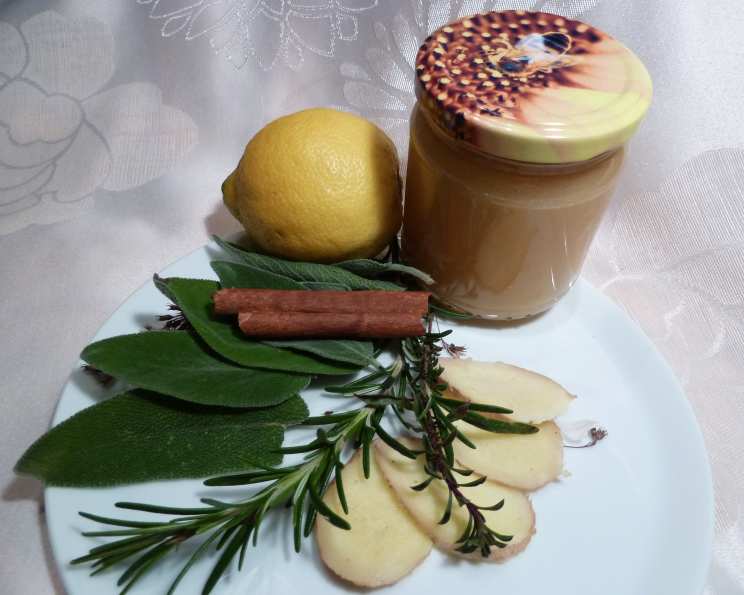
Comforting Cold and Flu Tea: A Soothing Elixir
The first sign of a sniffle sends me straight back to my grandmother’s kitchen. I can almost smell the fragrant steam rising from her enamel pot, a swirling mix of ginger, lemon, and something earthy I couldn’t quite place as a child. It was her magical brew, the one she swore by to chase away the chills and congestion. While I might not have fully appreciated the taste as a youngster, the warmth and care that went into it always made me feel a little bit better, and now, decades later, I find myself recreating that very same comforting concoction in my own kitchen.
Recipe Overview
- Prep Time: 5 minutes
- Cook Time: 15 minutes
- Total Time: 20 minutes
- Servings: 8
- Yield: 8 cups
- Dietary Type: Gluten-Free, Dairy-Free
Ingredients
- 8 cups water
- 8 slices fresh ginger
- 12 fresh or dried sage leaves
- 3 fresh rosemary sprigs
- 3 fresh thyme sprigs (optional)
- 1 lemon, juice of
- 2 cinnamon sticks
- 3 tablespoons honey
Equipment Needed
- Large pot
- Strainer
- Pitcher
Instructions
- In a large pot, combine the water, fresh ginger slices, sage leaves, rosemary sprigs, and thyme sprigs (if using).
- Bring the mixture to a boil over high heat.
- Once boiling, immediately turn off the heat.
- Let the tea steep for approximately 10 minutes. This allows the flavors to fully infuse into the water.
- Using a strainer, carefully strain the tea into a pitcher. I like to leave the cinnamon sticks in the pitcher after straining for an extra layer of flavor as it cools.
- While the tea is still warm, stir in the honey until it is completely dissolved.
- Store the pitcher of tea in the refrigerator.
- To serve, reheat one cup at a time in the microwave. Add more honey to taste, if desired.
- For maximum benefit, drink this tea twice a day, and breathe the steam through your nose as you sip it.
Expert Tips & Tricks
- Ginger Power-Up: Don’t be shy with the ginger! The more ginger you use, the more potent the tea will be. Adjust the amount to your personal preference, but keep in mind that ginger is a powerful anti-inflammatory and decongestant. For an extra kick, gently bruise the ginger slices before adding them to the pot.
- Herb Freshness: Fresh herbs are always best, but dried herbs can be substituted in a pinch. If using dried herbs, reduce the quantity by half, as dried herbs are more concentrated.
- Lemon Zest Boost: Add a few strips of lemon zest along with the juice for an extra burst of citrus flavor and added vitamin C. Be sure to use organic lemons if you are including the zest.
- Honey Hints: Use a good quality, raw honey for the most health benefits. Different types of honey will impart different flavor nuances to the tea. Manuka honey, known for its antibacterial properties, is an excellent choice when you are fighting a cold or flu.
- Steeping Time Matters: The longer you steep the tea, the stronger the flavor will be. However, steeping for too long can result in a bitter taste. Stick to the recommended 10 minutes for the best balance.
- Temperature Control: Avoid boiling the herbs for an extended amount of time, as high heat can destroy some of their beneficial compounds. Simply bring the mixture to a boil, then immediately turn off the heat and let it steep.
Serving & Storage Suggestions
Serve this comforting tea warm in a mug or teacup. Garnish with a slice of fresh lemon or a sprig of rosemary for an elegant touch. The tea can be stored in the refrigerator for up to 3 days. Reheat individual servings in the microwave or on the stovetop. While it is best consumed within a few days, it can be frozen in ice cube trays for later use. Simply thaw the cubes and reheat as needed.
Nutritional Information
| Nutrient | Amount per Serving | % Daily Value |
|---|---|---|
| Calories | 27 kcal | 1% |
| Total Fat | 0 g | 0% |
| Saturated Fat | 0 g | 0% |
| Cholesterol | 0 mg | 0% |
| Sodium | 7.8 mg | 0% |
| Total Carbohydrate | 7.3 g | 2% |
| Dietary Fiber | 0.1 g | 0% |
| Sugars | 6.7 g | 26% |
| Protein | 0.1 g | 0% |
Note: Nutritional information is an estimate and may vary based on specific ingredients and preparation methods.
Variations & Substitutions
- Spicy Kick: Add a pinch of cayenne pepper or a few slices of fresh chili to the pot for a spicy kick that can help clear congestion.
- Citrus Blend: Experiment with different citrus fruits, such as orange, grapefruit, or lime, in place of or in addition to lemon.
- Sweetener Options: If you don’t have honey on hand, you can substitute it with maple syrup, agave nectar, or even a few drops of stevia. Adjust the amount to your desired level of sweetness.
- Herbal Infusion: Feel free to add other herbs to the mix, such as chamomile, peppermint, or elderflower, for their soothing and medicinal properties.
- Vegan Option: Make sure the honey is sourced ethically, or substitute with maple syrup or agave to keep the recipe strictly vegan.
FAQs (Frequently Asked Questions)
Q: Can I use dried ginger instead of fresh ginger?
A: Yes, you can substitute dried ginger, but use only about 1 teaspoon of dried ginger for every 1 tablespoon of fresh ginger. The flavor will be more concentrated.
Q: Can I make this tea ahead of time?
A: Absolutely! In fact, making it ahead of time allows the flavors to meld together even more. Store it in the refrigerator for up to 3 days and reheat as needed.
Q: Is it safe to drink this tea while pregnant or breastfeeding?
A: It’s always best to consult with your doctor or midwife before consuming herbal teas during pregnancy or breastfeeding, as some herbs may have contraindications.
Q: Can I add other ingredients to this tea?
A: Certainly! Feel free to experiment with other ingredients such as turmeric, cloves, or a pinch of black pepper for added flavor and health benefits.
Q: Can I use pre-made tea bags instead of fresh herbs?
A: While fresh ingredients are preferred for optimal flavor and potency, you can use herbal tea bags as a substitute. Use approximately 6-8 tea bags for the recipe and adjust to your taste.
Final Thoughts
Whether you are battling a full-blown cold or simply seeking a comforting and immune-boosting beverage, this cold and flu tea is a wonderful remedy. This simple yet powerful elixir is sure to soothe your senses and provide some much-needed relief. So go ahead, brew a batch, wrap yourself in a warm blanket, and let the healing powers of nature work their magic. I’d love to hear about your experience with this tea, and if you have any special additions to your own version. Enjoy, and feel better soon!