
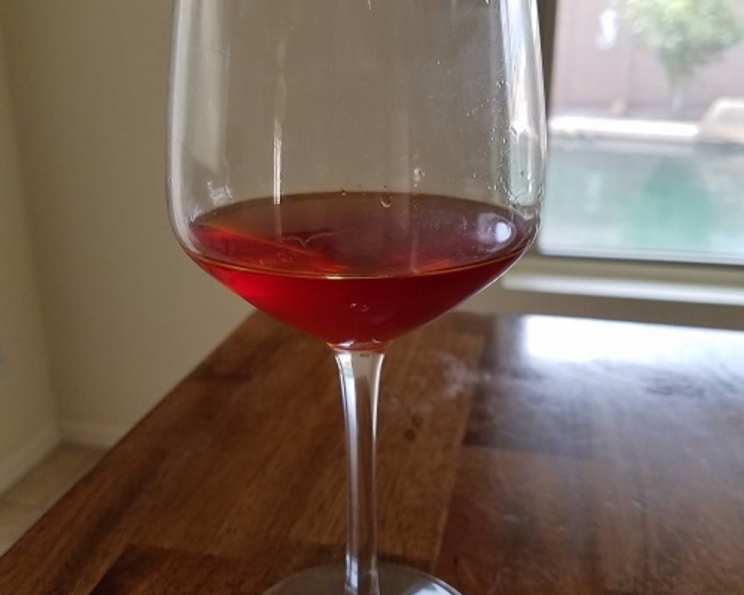
Conditum Paradoxum: A Taste of Ancient Rome
The first time I encountered Conditum Paradoxum, it wasn’t in a bustling Roman trattoria or a sun-drenched vineyard. It was in a dimly lit museum exhibit, amidst fragments of pottery and whispers of history. I remember being captivated by the description – spiced wine, enjoyed by emperors and commoners alike. I imagined the vibrant flavors, the exotic aromas, and the sheer audacity of a recipe passed down through centuries. That moment sparked a fascination that led me down a rabbit hole of ancient culinary texts and eventually to my own version of this intriguing concoction.
Recipe Overview
- Prep Time: 30 minutes
- Cook Time: 45 minutes
- Total Time: 1 hour 15 minutes
- Yields: 1 bottle
- Serves: 1-5
- Dietary Type: Kosher
Ingredients
- 340 g liquid honey
- 750 ml red wine
- 7 1⁄2 g black peppercorns
- 240 mg mastic
- 320 mg bay leaves
- 320 mg saffron
Equipment Needed
- Small precision digital scale
- Mortar and pestle
- Glass measuring cup
- Saucepan
- Wooden spoon
- Glass bowl
- Metal mesh strainer
- Coffee filter paper
- Glass bottle
Instructions
-
Begin by meticulously measuring your spices: black peppercorns, mastic gum, bay leaf, and saffron. A small precision digital scale is crucial here, capable of measuring in increments of at least 0.01 grams. Place each spice into a separate bowl for easy access.
-
Prepare the mastic gum by placing it in the freezer for at least 1 hour before grinding. This hardens the gum, making it easier to pulverize.
-
Grind each spice separately using a mortar and pestle. Continue grinding until you achieve a coarse powder, similar in consistency to ground black pepper you’d find in stores. While pre-ground spices can be used, freshly ground spices will yield a more pronounced and vibrant flavor infusion.
-
Measure out 340g of liquid honey using a glass measuring cup. The type of honey you choose will impact the final flavor profile, so select one you enjoy. A raw and unfiltered honey, like Nature Nate’s, works beautifully.
-
Measure out 70 ml of red wine. The choice of wine is also important. Select a wine that you know you like. The alcohol content, whether high (11-14%) or low (5-10%), and whether it’s sparkling or still, doesn’t significantly affect the recipe’s outcome. An Italian Sparkling Rosa Regale Banfi Wine (7%) is a good choice.
-
Combine the honey and the measured wine into a saucepan. Cook the mixture on very low heat, constantly stirring with a wooden spoon. The heat should be just high enough so that the mixture begins to boil and bubble gently after about 10 minutes.
-
Once the mixture starts boiling, immediately remove it from the heat and let it cool down until the bubbling subsides. Then, return it to the heat for about another 10 minutes, and remove it again after boiling. Repeat this process of bringing the mixture to a boil and then cooling it down a total of three times.
-
After the third boiling and cooling cycle, a white residue will begin to form on top of the mixture. This indicates that the reduction process is complete. Remove the saucepan from the heat and let the mixture cool completely for about 15 minutes. You’ll notice that the mixture will start to solidify, returning to a thick, honey-like consistency.
-
While the mixture is cooling, measure out 670 ml of wine into a separate glass bowl.
-
Once the honey-wine mixture has cooled sufficiently, return it to the heat for just 2-3 minutes, allowing it to liquefy again and become runny. It is not necessary to bring it to a boil at this point; gentle warming is all that’s needed.
-
Pour the warmed honey-wine mixture from the saucepan into the glass bowl containing the 670 ml of wine. Add all of the ground spices to the bowl and begin to slowly and steadily stir the mixture with a clean wooden spoon. Stir for about 5-10 minutes, ensuring that the spices are thoroughly incorporated. This mixing of the hot honey-wine mixture with the room temperature wine and spices is crucial, as it allows the spices to fully infuse their flavors into the wine.
-
Take a single sheet of coffee filter paper and place it on top of a metal mesh strainer. Position the strainer over a clean bowl.
-
Slowly pour the final mixture into the filter. Allow the wine to drip and filter through the filter into the bowl. The coffee filter should remove all solid particles from the mixture, leaving only clear, filtered wine. If the first filtering does not produce clear wine, repeat the filtering process again using a fresh bowl and a clean coffee filter. This filtering process may take up to 1 hour, depending on the quantity of wine and the thickness and size of the coffee filter.
-
Once the wine has been filtered to your satisfaction, carefully pour it into a glass bottle and serve.
Expert Tips & Tricks
- Spice Intensity: Adjust the amount of spices to your liking. If you prefer a milder flavor, start with smaller quantities and taste as you go.
- Honey Selection: Experiment with different types of honey. Each variety will impart a unique nuance to the final product.
- Filtration Patience: The filtration process can be time-consuming, but it’s essential for a clear and elegant final product. Resist the urge to squeeze the filter, as this can force unwanted sediment through.
- Wine Choice: The wine’s acidity and fruitiness will influence the overall balance. A fruity, medium-bodied red wine generally works well.
Serving & Storage Suggestions
Conditum Paradoxum is best served chilled, either as an aperitif or a digestif. It can be enjoyed on its own or paired with cheeses, fruits, or desserts.
Store the wine in a cool, dark place, preferably in the refrigerator, to preserve its flavor and prevent spoilage. Properly stored, it should last for several weeks. While not typically frozen, doing so isn’t dangerous, but it will change the wine’s texture and flavor profile.
Nutritional Information
| Nutrient | Amount per Serving | % Daily Value |
|---|---|---|
| Calories | 1737.3 kcal | N/A |
| Calories from Fat | 16 g | 1% |
| Total Fat | 1.9 g | 2% |
| Saturated Fat | 0.5 g | 2% |
| Cholesterol | 0 mg | 0% |
| Sodium | 48.9 mg | 2% |
| Total Carbohydrate | 318.5 g | 106% |
| Dietary Fiber | 7.6 g | 30% |
| Sugars | 283.8 g | 1135% |
| Protein | 3.8 g | 7% |
Note: These values are estimates and may vary based on specific ingredients used.
Variations & Substitutions
- Sweetness Adjustment: If you prefer a less sweet wine, reduce the amount of honey.
- Spice Variations: Experiment with other spices, such as cinnamon, cloves, or cardamom.
- Wine Alternatives: Try using white wine for a lighter and brighter flavor profile.
- Non-Alcoholic Version: Substitute the red wine with grape juice or a non-alcoholic red wine alternative. You may need to adjust the sweetness and acidity accordingly.
FAQs (Frequently Asked Questions)
Q: Why is the mastic gum frozen before grinding?
A: Freezing the mastic gum hardens it, making it much easier to grind into a fine powder. This prevents it from becoming sticky and clumping together.
Q: Can I use pre-ground spices instead of grinding them myself?
A: Yes, you can use pre-ground spices, but the flavor infusion will not be as pronounced as with freshly ground spices. Freshly ground spices release more aromatic oils, resulting in a more complex and vibrant flavor.
Q: Why is the honey-wine mixture boiled and cooled three times?
A: This process helps to clarify the honey and wine, removing impurities and creating a smoother final product. The white residue that forms during this process is a sign that the reduction is complete.
Q: How long does the filtering process take?
A: The filtering process can take up to an hour, depending on the quantity of wine and the thickness and size of the coffee filter. Be patient and allow the wine to drip through the filter slowly.
Q: What does Conditum Paradoxum taste like?
A: The flavor of Conditum Paradoxum is initially sweet, with a strong flavor of honey, followed by a pleasant kick of peppery spices at the end. The overall flavor profile is complex and intriguing, reflecting the historical roots of the recipe.
Final Thoughts
Conditum Paradoxum is more than just a spiced wine; it’s a journey through time, a taste of history. Recreating this ancient recipe is an invitation to connect with the culinary traditions of the Roman Empire and to experience the flavors that delighted emperors and commoners alike. I encourage you to try this recipe, to experiment with different variations, and to share your creations with friends and family. Pair it with some aged cheese and crusty bread for the full experience! Let me know what you think.