
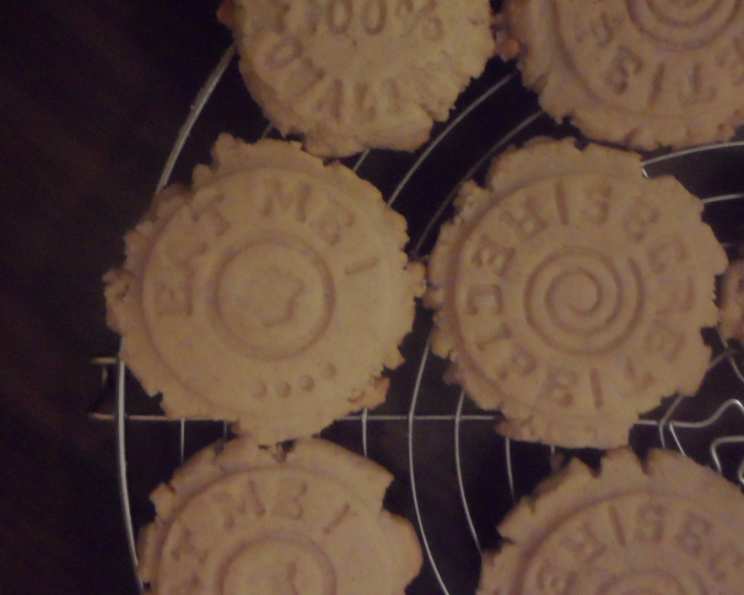
Embossed Elegance: Mastering Cookie Stamp Shortbread
The scent of buttery shortbread baking always transports me back to my grandmother’s kitchen. She wasn’t a fancy baker, but her shortbread was legendary. It wasn’t just the taste, though that was divine; it was the artistry she brought to it. Every Christmas, she’d pull out her collection of antique cookie stamps, each one telling a tiny story etched into the golden dough. The delicate patterns always felt like a little piece of magic, turning a simple cookie into something truly special. Now, carrying on her tradition, I use my own collection of cookie stamps to make shortbread that reminds me of her warmth and love.
Recipe Overview
- Prep Time: 20 minutes
- Cook Time: 15-20 minutes
- Total Time: 35-40 minutes
- Yields: Approximately 24 cookies
- Serves: 24
- Dietary Type: Vegetarian
Ingredients
- 1 1⁄2 cups butter, softened
- 3⁄4 cup sugar
- 3 – 3 1⁄2 cups all-purpose flour
Equipment Needed
- Mixing bowl
- Electric mixer (optional, but helpful)
- Rolling pin
- Cookie sheet(s), ungreased
- Cookie stamp
Instructions
-
Begin by ensuring your butter is softened to room temperature. This is crucial for creating a smooth and easily workable dough. In a mixing bowl, cream together the softened butter and sugar thoroughly using an electric mixer or a sturdy spoon. The mixture should be light and fluffy. This step is essential for incorporating air into the dough, which contributes to the shortbread’s delicate texture.
-
Gradually add the flour, one cup at a time, to the butter and sugar mixture. Mix on low speed or by hand until just combined. Be careful not to overmix the dough, as this can develop the gluten in the flour, resulting in a tough cookie. Stop mixing when the dough comes together into a cohesive ball. If the dough seems too dry, add a tablespoon of cold water at a time until it just holds together.
-
Lightly flour a clean work surface. Gently roll the dough out to a thickness of about ¼ inch. You don’t want it too thin, or the stamped design will be lost during baking.
-
Roll the dough into one-inch balls, and place them on an ungreased cookie sheet.
-
Now comes the fun part! Warm your cookie stamp slightly. This helps prevent the dough from sticking to the stamp. You can warm it by placing it near a warm oven or briefly dipping it in warm water and drying it thoroughly.
-
Stamp each ball of dough firmly with the warm cookie stamp. Apply even pressure to ensure a clear and consistent impression. If the dough sticks to the stamp, lightly dust the stamp with flour or powdered sugar. Re-warm the stamp as needed.
-
Preheat your oven to 325°F (160°C). Bake the stamped shortbread cookies for 15 to 20 minutes, or until the edges are lightly golden brown. Keep a close eye on them, as baking times can vary depending on your oven. Some reviewers report success at 12-15 minutes.
-
Remove the cookies from the oven and let them cool on the cookie sheet for a few minutes before transferring them to a wire rack to cool completely. This prevents them from breaking while they are still soft.
Expert Tips & Tricks
- The Secret to Tender Shortbread: The key to achieving that melt-in-your-mouth shortbread texture is to avoid overworking the dough. Mix the flour in gently and only until just combined.
- Warming the Stamp: Don’t skip the step of warming your cookie stamp. This makes a huge difference in preventing the dough from sticking and ensuring a clean, defined impression.
- Preventing Spreading: If your shortbread tends to spread during baking, try chilling the dough for 30 minutes before rolling it out. This will help the cookies hold their shape.
- Adding Flavor: For an extra touch of flavor, try adding a teaspoon of vanilla extract or almond extract to the butter and sugar mixture. You can also incorporate citrus zest or finely chopped nuts into the dough.
- Uniform Baking: For even baking, make sure your oven is properly calibrated. An oven thermometer can be a helpful tool to ensure accurate temperature.
Serving & Storage Suggestions
These delicate cookie stamp shortbread cookies are best served at room temperature. They make a lovely accompaniment to tea, coffee, or a glass of milk. Their elegant appearance also makes them perfect for gifting.
To store, place the cooled cookies in an airtight container. They will stay fresh at room temperature for up to 5 days. For longer storage, you can freeze them for up to 2 months. Thaw them completely before serving.
Nutritional Information
| Nutrient | Amount per Serving | % Daily Value |
|---|---|---|
| Calories | 183 kcal | N/A |
| Calories from Fat | 104 kcal | N/A |
| Total Fat | 11.7g | 17% |
| Saturated Fat | 7.3g | 36% |
| Cholesterol | 30.5mg | 10% |
| Sodium | 82mg | 3% |
| Total Carbohydrate | 18.2g | 6% |
| Dietary Fiber | 0.4g | 1% |
| Sugars | 6.3g | N/A |
| Protein | 1.7g | 3% |
Note: Nutritional information is an estimate and can vary based on specific ingredients and portion sizes.
Variations & Substitutions
- Gluten-Free Shortbread: Substitute the all-purpose flour with a gluten-free flour blend. Be sure to choose a blend that is specifically designed for baking, as some gluten-free flours can be quite dry.
- Vegan Shortbread: Replace the butter with a vegan butter alternative. Ensure that the vegan butter has a high fat content for the best results.
- Lemon Shortbread: Add the zest of one lemon to the butter and sugar mixture for a bright and refreshing flavor.
- Chocolate Chip Shortbread: Fold in ½ cup of mini chocolate chips into the dough before rolling it out.
- Lavender Shortbread: Add 1 tablespoon of culinary lavender to the flour for a floral and aromatic twist.
FAQs (Frequently Asked Questions)
Q: Why is my shortbread crumbly?
A: Shortbread is naturally crumbly due to the high butter content and lack of liquid. However, if it’s excessively crumbly, it could be due to overmixing the flour or using too much flour. Be gentle when mixing and measure the flour accurately.
Q: Can I use salted butter instead of unsalted?
A: Yes, you can use salted butter, but you may want to reduce the amount of salt in the recipe slightly.
Q: How do I prevent the dough from sticking to my cookie stamp?
A: Keeping the stamp warm and lightly dusting it with flour or powdered sugar will help prevent sticking.
Q: Can I freeze the shortbread dough?
A: Yes, you can freeze the dough for up to 2 months. Wrap it tightly in plastic wrap and then place it in a freezer bag. Thaw it in the refrigerator overnight before rolling it out.
Q: My cookies spread during baking. What went wrong?
A: This can happen if the butter is too warm or if the oven temperature is too low. Make sure your butter is cool, but still pliable. Chill the dough before baking and ensure your oven is properly preheated.
Final Thoughts
Cookie stamp shortbread is more than just a recipe; it’s an invitation to create edible art. Whether you’re using heirloom stamps or modern designs, the act of pressing those intricate patterns into the dough is incredibly satisfying. So, gather your ingredients, dust off your stamps, and get ready to bake a batch of these delightful treats. Share them with loved ones, enjoy them with a cup of tea, and savor the simple elegance of this classic cookie. And don’t forget to let me know how your creations turn out! Happy baking!