
Copycat Prantl’s Burnt Almond Torte: A Pittsburgh Classic
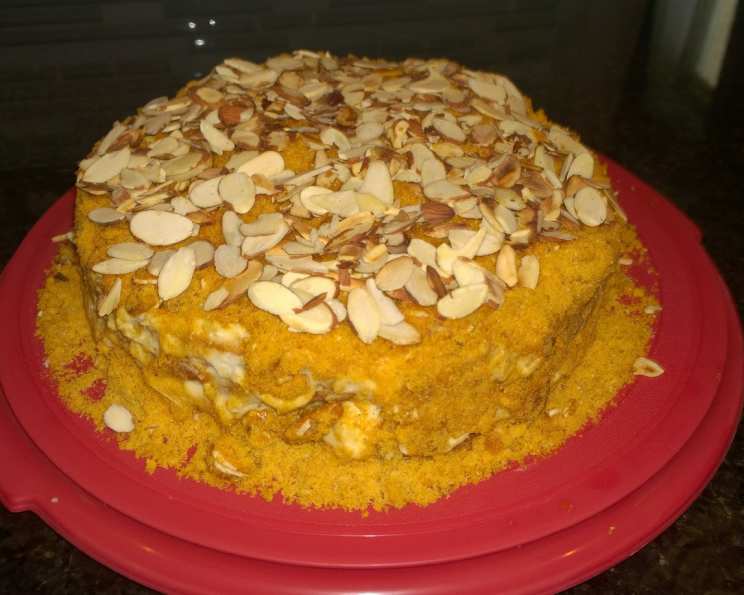
My first encounter with Prantl’s Burnt Almond Torte wasn’t in a fancy bakery, but at a bustling potluck during a family reunion. The torte, a vision of creamy custard and toasted almonds, sat proudly amidst a sea of chocolate chip cookies and casseroles. One bite – the crunch of the brittle, the delicate cake, and the cool, rich custard – and I was hooked. It was a taste of Pittsburgh, a celebration of simple ingredients transformed into something extraordinary, and a memory forever etched in my mind. Since then, I’ve been on a quest to recreate that magic, and this recipe, my friends, is as close as it gets.
Recipe Overview
- Prep Time: 1 hour 45 minutes
- Cook Time: 1 hour
- Total Time: 2 hours 45 minutes
- Servings: 8
- Yield: 1 torte
- Dietary Type: Not Gluten-Free
Ingredients
The Cake:
- 2 ½ cups cake flour
- ½ tablespoon baking powder
- ½ teaspoon baking soda
- ½ teaspoon salt
- ¾ cup unsalted butter, at room temperature (1 ½ sticks)
- 1 ¼ cups sugar
- 4 large eggs, at room temperature
- 1 cup buttermilk, at room temperature
- ½ tablespoon vanilla extract
Honey Almond Brittle:
- ½ cup granulated sugar
- 3 tablespoons honey
- 1 ½ tablespoons water
- 2 ounces slivered almonds, toasted (about ½ cup)
- 1 tablespoon unsalted butter
- ⅛ teaspoon baking soda
Custard Cream:
- 1 cup milk
- 3 large egg yolks
- ⅓ cup granulated sugar
- 2 tablespoons cornstarch
- 1 tablespoon unsalted butter
- ½ teaspoon vanilla extract
- ⅓ cup heavy whipping cream
- 1 tablespoon confectioners’ sugar
Equipment Needed
- Two 8-by-2-inch round cake pans
- Electric mixer
- Medium-sized saucepan
- Nonstick or lightly greased baking sheet
- Food processor
- Heavy saucepan
- Medium mixing bowl
- Whisk
- Cake plate
- Wire racks
Instructions
- Preheat oven to 350 degrees F (175 degrees C).
- Grease two 8-by-2-inch round cake pans. Make sure to grease them well to prevent the cake from sticking. You can also line the bottoms with parchment paper for extra insurance.
- Sift the cake flour, baking powder, baking soda, and salt together into a bowl and set aside. Sifting ensures that there are no lumps and that the dry ingredients are evenly distributed, leading to a lighter and more tender cake.
- Cream the butter and sugar in a large bowl with an electric mixer at medium speed until light and fluffy, about 5 minutes. This step is crucial for incorporating air into the batter, which contributes to the cake’s texture. Don’t rush it!
- Reduce the speed to medium-low. Add the eggs, one at a time, beating 30 seconds between additions. Incorporating the eggs gradually helps to create a stable emulsion and prevents the batter from curdling.
- Add alternating increments of the flour mixture and buttermilk and vanilla, blending well after each addition; this should take about 3 to 5 minutes. Start and end with the flour mixture. This method prevents the gluten in the flour from developing too much, resulting in a more tender cake. Overmixing can lead to a tough cake.
- Divide the batter evenly between the prepared pans. Use a scale for the most accurate division.
- Bake for about 30 minutes, until a cake tester comes out clean. Start checking for doneness around 25 minutes. If the tops are browning too quickly, you can loosely tent them with foil.
- Cool in pans, on wire racks, for 10 minutes, unmold the cakes, and let cool completely. Cooling the cakes in the pans for a short time allows them to firm up slightly before being inverted onto the wire racks.
- Note: The cake recipe makes two 8-inch round cake layers. Only one is used for this recipe. You can freeze the second layer for future use or bake another torte!
- Combine the granulated sugar, honey, and water in a medium-sized saucepan. Bring to a boil over medium heat, stirring to dissolve sugar.
- Boil, without stirring, until the mixture turns a deep amber color, about 10 minutes. Watch carefully, as the sugar can burn quickly. A candy thermometer can be helpful, but visual cues (a deep amber color) are often more reliable.
- Remove the pan from the heat and immediately stir in the toasted almonds, butter, and baking soda. Be careful, as the mixture will bubble up rapidly.
- Mix with a wooden spoon just until the butter melts and the foaming subsides. Don’t overmix, as this can cause the brittle to become cloudy.
- Pour the mixture onto a nonstick or lightly greased baking sheet and set aside to cool. Spreading the mixture thinly ensures that it will harden evenly.
- Once the brittle has hardened, break it up and crush to fine crumbs in a food processor. Pulse until you achieve the desired consistency – some people prefer a finer crumb, while others like a bit more texture.
- Store in a covered container in the refrigerator until ready to use. This will help to keep the brittle crisp.
- In a heavy saucepan over medium-low heat, heat milk to barely simmering. Scalding the milk infuses the custard with a richer flavor.
- Meanwhile, combine egg yolks, sugar, and cornstarch in a medium mixing bowl. Whisk to blend smoothly. This mixture will thicken the custard.
- Stir the heated milk into the egg mixture; return mixture to saucepan. Tempering the egg yolks prevents them from scrambling when added to the hot milk.
- Bring back to a boil, over medium-low heat, whisking constantly; boil 1 minute. Continuous whisking is essential to prevent the custard from sticking and burning.
- Remove pan from heat; add butter and vanilla, stirring to melt the butter. The butter adds richness and shine to the custard.
- Transfer custard to a bowl; place a piece of waxed paper directly on top to prevent a crust from forming and refrigerate until cold. Pressing the plastic wrap directly onto the surface prevents condensation from forming.
- Whip the cream and confectioners’ sugar until stiff peaks form. Be careful not to overwhip, as this can cause the cream to curdle.
- Fold into the chilled custard and refrigerate until ready to use. Folding gently preserves the airiness of the whipped cream.
- Cut the cake in half horizontally. Use a serrated knife and a gentle sawing motion for the cleanest cut.
- Place one layer on a cake plate, spread cake with cold custard cream, and sprinkle with brittle crumbs. Don’t be shy with the custard and brittle!
- Cover with the remaining layer of cake.
- Spread the remaining custard cream over cake, applying a thinner coat to the sides, then the top. A thin coat on the sides allows the almond brittle to adhere better.
- Chill for at least 1 hour before garnishing. This allows the flavors to meld and the custard to set.
- To garnish, press brittle crumbs onto the sides of the cake with the palm of your hand and sprinkle a layer of crumbs on the top. Pressing gently helps the crumbs adhere without crushing the cake.
- Refrigerate until ready to use.
- Note: To toast nuts, arrange in a single layer on a baking pan. Bake in a 375-degree oven until golden brown, about 7 to 10 minutes. Allow nuts to cool before using. Keep a close watch, as nuts can burn easily.
Expert Tips & Tricks
- Room Temperature is Key: Ensuring your butter, eggs, and buttermilk are at room temperature allows them to emulsify properly, resulting in a smoother batter and a more tender cake.
- Don’t Overmix: Overmixing the cake batter develops the gluten in the flour, leading to a tough cake. Mix until just combined.
- Perfect Brittle: For an even more intense almond flavor, try using almond extract in the brittle in addition to vanilla. Watch the brittle carefully as it cooks, as it can go from perfectly golden to burnt very quickly.
- Custard Consistency: If your custard seems too thin, you can whisk in a little more cornstarch mixed with cold water. If it’s too thick, whisk in a little more milk.
- Make-Ahead Magic: The cake layers, brittle, and custard can all be made a day in advance. Store them separately and assemble the torte just before serving for the best results.
Serving & Storage Suggestions
Serve the Burnt Almond Torte chilled, ideally within a day or two of assembly for the best texture. A slice of this torte pairs beautifully with a cup of strong coffee or a glass of dessert wine.
Leftovers should be stored in an airtight container in the refrigerator. The torte will stay fresh for up to 3 days, although the brittle may soften slightly over time. Freezing is not recommended, as the custard can become watery upon thawing.
Nutritional Information
| Nutrient | Amount per Serving | % Daily Value |
|---|---|---|
| Calories | 736.5 kcal | N/A |
| Calories from Fat | 298 g | 40% |
| Total Fat | 33.1 g | 50% |
| Saturated Fat | 17.6 g | 88% |
| Cholesterol | 234.6 mg | 78% |
| Sodium | 406 mg | 16% |
| Total Carbohydrate | 100.2 g | 33% |
| Dietary Fiber | 1.6 g | 6% |
| Sugars | 61.6 g | 246% |
| Protein | 11.6 g | 23% |
Note: Nutritional information is an estimate and may vary based on specific ingredients and serving sizes.
Variations & Substitutions
- Gluten-Free: For a gluten-free version, substitute the cake flour with a gluten-free all-purpose flour blend. Be sure to add a teaspoon of xanthan gum to help bind the batter.
- Dairy-Free: Use plant-based butter and milk alternatives like almond or soy milk for a dairy-free option. You can also substitute the heavy cream with coconut cream for a richer flavor.
- Extract Exploration: Experiment with different extracts in the cake or custard, such as almond extract for a more intense almond flavor or lemon extract for a bright, citrusy twist.
- Nutty Adventures: Try using different types of nuts in the brittle, such as pecans or walnuts, for a unique flavor profile.
FAQs (Frequently Asked Questions)
Q: Why is only one cake layer used?
A: The original recipe only uses one layer. You can freeze the other layer for later use, or bake two tortes!
Q: Can I make the brittle ahead of time?
A: Absolutely! In fact, it’s recommended. Store it in an airtight container in the refrigerator to keep it crisp.
Q: My custard is lumpy. What did I do wrong?
A: The most common cause of lumpy custard is overheating or not whisking constantly. Make sure to cook the custard over medium-low heat and whisk continuously to prevent scorching. If lumps do form, you can try straining the custard through a fine-mesh sieve.
Q: Can I use store-bought almond brittle?
A: While you can use store-bought almond brittle in a pinch, the homemade brittle is significantly better in terms of flavor and texture. It’s worth the effort!
Q: How do I prevent the cake from sticking to the pan?
A: Grease the pans thoroughly with butter or shortening, and then dust them with flour. You can also line the bottoms with parchment paper for extra insurance.
Final Thoughts
This Copycat Prantl’s Burnt Almond Torte is more than just a recipe; it’s a journey back to cherished memories and a celebration of simple pleasures. While it may seem a bit involved, each step is straightforward, and the result is well worth the effort. So, gather your ingredients, preheat your oven, and embark on this culinary adventure. I encourage you to share your creations and experiences – your triumphs and even your little mishaps – with fellow baking enthusiasts. And who knows, maybe you’ll even create some sweet memories of your own!