
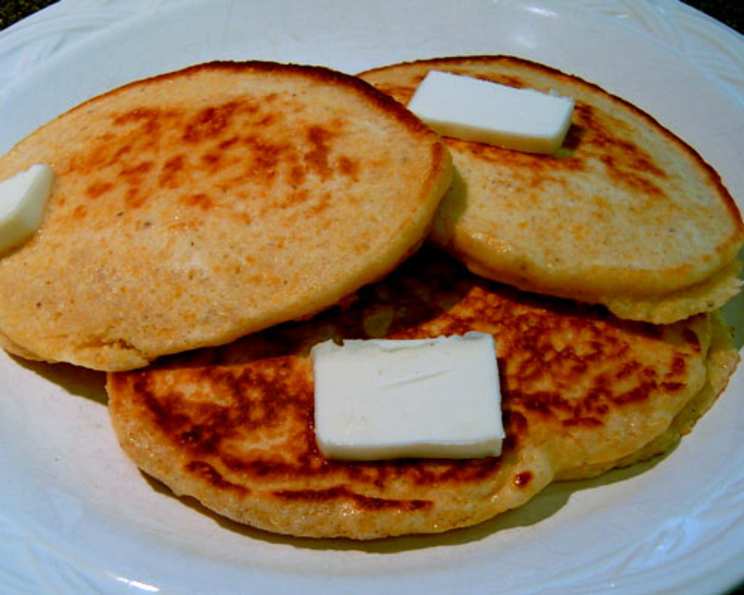
Corncakes on the Griddle: A Taste of Americana
I remember the first time I tasted a proper corncake. It wasn’t at some fancy restaurant, but at a re-enactment of a colonial harvest festival. The air was crisp, woodsmoke hung in the breeze, and a woman in period dress was flipping these golden disks on a cast-iron griddle over an open fire. The aroma alone was intoxicating – a nutty, sweet scent that promised simple, honest goodness. One bite, smeared with homemade apple butter, and I was transported. It wasn’t just food; it was a connection to a past of resourcefulness and resilience. It was a revelation that something so simple could be so incredibly satisfying.
Recipe Overview
- Prep Time: 10 minutes
- Cook Time: 20 minutes
- Total Time: 30 minutes
- Yields: 20-30 cakes depending on size
- Dietary Type: Vegetarian (can be made dairy-free)
Ingredients
- 2 cups cornmeal
- 1 cup unbleached white flour or 1 cup whole wheat flour
- 2 teaspoons baking powder
- ¼ teaspoon salt (to taste)
- 2 eggs
- 2 ½ – 3 cups milk
- Butter for greasing the griddle
Equipment Needed
- Medium bowl
- 2-quart measuring cup (optional, for easy pouring)
- Fork
- Griddle or large skillet
Instructions
-
In a medium bowl, thoroughly combine all the dry ingredients: cornmeal, flour, baking powder, and salt. A whisk works well to ensure even distribution.
-
In a separate container (a 2-quart measuring cup with a pour spout is particularly convenient), beat the eggs into the milk. If you prefer a tangier flavor, you can substitute up to half the milk with buttermilk.
-
Gradually mix the milk-egg mixture into the cornmeal mixture. A fork is surprisingly effective at preventing clumps and creating a smooth batter.
-
The batter should be slightly thicker than pancake batter but still pourable. Keep in mind that different types of cornmeal can affect the batter’s consistency, and it may thicken as it sits. If necessary, add a little more milk at a time to achieve the desired consistency. You want to easily drop spoonfuls onto the griddle.
-
Heat your griddle to medium-high heat. A drop of water should sizzle and evaporate almost immediately. Lightly butter the griddle to prevent sticking. You want just enough to encourage browning, not create a greasy surface.
-
Pour the batter onto the hot griddle, forming cakes about 3-4 inches in diameter. Don’t overcrowd the griddle; leave enough space to flip them easily.
-
Cook until bubbles begin to appear on the surface of the cakes and the bottoms are nicely browned. This should take about 2-3 minutes per side.
-
Flip the corncakes and cook until the bottoms are browned and the cakes are cooked through. If the outsides are browning too quickly while the centers remain uncooked, reduce the heat and/or add a little more milk to the batter. This will help the cakes cook more evenly.
-
Lightly butter the griddle between batches, using just enough to prevent sticking and promote browning. Avoid over-greasing, as this will result in a fried texture rather than a griddle-cooked one.
-
Serve the corncakes immediately with butter, jelly, apple butter, or your favorite bread spread. They are also delicious with savory toppings like chili or pulled pork.
Expert Tips & Tricks
-
For a richer flavor: Brown a tablespoon of butter in the skillet before adding the batter. This adds a nutty depth to the cakes.
-
Preventing sticking: If you find your corncakes are sticking even with butter, try using a seasoned cast iron griddle or a non-stick griddle.
-
Achieving even cooking: Ensure your griddle is evenly heated. Uneven heat can lead to some corncakes cooking faster than others.
-
Make-ahead batter: The batter can be prepared a few hours in advance and stored in the refrigerator. Just be sure to give it a good stir before cooking, as the cornmeal may settle.
-
Controlling thickness: Cornmeal can absorb liquid over time, thickening the batter. If your batter becomes too thick while resting, simply add a tablespoon or two of milk to restore the desired consistency.
Serving & Storage Suggestions
Serve your warm corncakes immediately for the best flavor and texture. They pair beautifully with a dollop of butter, a drizzle of honey, a spoonful of fruit preserves, or even a savory topping like cheese or chili.
Leftover corncakes can be stored in an airtight container at room temperature for up to 2 days, in the refrigerator for up to 5 days, or in the freezer for up to 2 months. To reheat, simply warm them in a toaster oven, skillet, or microwave. Freezing does alter the texture slightly, so reheating in a skillet with a touch of butter is recommended for best results.
Nutritional Information
| Nutrient | Amount per Serving | % Daily Value |
|---|---|---|
| Calories | 94 kcal | N/A |
| Calories from Fat | N/A | N/A |
| Total Fat | 2.1 g | 3% |
| Saturated Fat | 0.9 g | 4% |
| Cholesterol | 25.4 mg | 8% |
| Sodium | 91.7 mg | 3% |
| Total Carbohydrate | 15.7 g | 5% |
| Dietary Fiber | 1.1 g | 4% |
| Sugars | 0.1 g | 0% |
| Protein | 3.3 g | 6% |
Variations & Substitutions
-
Dairy-Free Corncakes: Substitute the milk with your favorite non-dairy milk, such as almond milk, soy milk, or oat milk.
-
Gluten-Free Corncakes: Ensure your baking powder is gluten-free and substitute the wheat flour with a gluten-free all-purpose flour blend.
-
Sweet Corncakes: Add a tablespoon or two of sugar or honey to the batter for a sweeter treat. A dash of cinnamon or nutmeg also adds a warm, comforting flavor.
-
Savory Corncakes: Incorporate chopped herbs such as chives, parsley, or dill into the batter for a savory twist. You can also add a pinch of red pepper flakes for a bit of heat.
-
Cheese Corncakes: Stir in ½ cup of shredded cheddar cheese, Monterey Jack cheese, or pepper jack cheese to the batter.
FAQs (Frequently Asked Questions)
Q: Can I use self-rising cornmeal?
A: It is not recommended because this recipe already calls for baking powder. Using self-rising cornmeal will result in a different texture and possibly a salty flavor.
Q: Can I make these without eggs?
A: Yes, you can use a flax egg (1 tablespoon ground flaxseed mixed with 3 tablespoons water, let sit for 5 minutes) as an egg substitute.
Q: My corncakes are too dry. What am I doing wrong?
A: It is probably due to overcooking, or too much cornmeal. Make sure to watch carefully and not overcook them, and add a little more milk to the batter if they seem too dry.
Q: How do I keep the corncakes warm while I cook the rest of the batch?
A: Place the cooked corncakes on a baking sheet in a warm oven (around 200°F) until ready to serve.
Q: Can I add other vegetables to the batter?
A: Absolutely! Adding ingredients like finely chopped jalapeños, corn kernels, or bell peppers can add flavor and texture to your corncakes.
Final Thoughts
These corncakes are more than just a simple dish; they’re a taste of history, a connection to simpler times, and a testament to the power of resourcefulness. Whether you’re serving them for breakfast, lunch, or dinner, I hope this recipe inspires you to slow down, savor the moment, and appreciate the simple pleasures in life. So, go ahead, fire up that griddle, and create your own little piece of Americana. I’d love to hear about your experience and any creative twists you add to the recipe! Share your feedback and photos – and perhaps pair these delightful corncakes with a hearty bowl of chili for the ultimate comfort meal.