
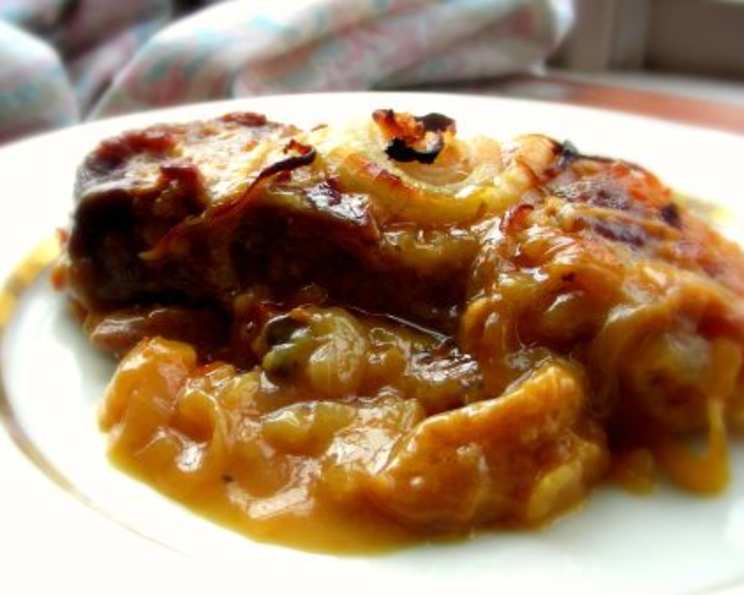
The Ultimate Homemade Corned Beef Brisket
The scent of simmering corned beef instantly transports me back to my grandmother’s kitchen. Every St. Patrick’s Day, the aroma of spices, vinegar, and slow-cooked brisket would fill her home, a comforting promise of a hearty and flavorful meal. I remember watching her meticulously layer vegetables around the meat, transforming a humble cut into a culinary masterpiece. This recipe is an homage to her, a labor of love that yields a truly unforgettable corned beef experience.
Recipe Overview
- Prep Time: 20 minutes
- Cook Time: 3 hours 15 minutes
- Total Time: 3 weeks, 3 hours, 35 minutes
- Servings: 4
- Dietary Type: Not specified (can be adjusted to be gluten-free or dairy-free)
Ingredients
- 2 quarts water
- Additional 1/4 cup water to dissolve
- 2 tablespoons brown sugar
- 3/4 cup kosher salt
- 1/2 cup apple cider vinegar
- 1 (3 lb) beef brisket
- 4 garlic cloves, smashed
- 2 tablespoons pickling spices
- 1 teaspoon peppercorn, whole
- 1 teaspoon mustard seeds
- 2 teaspoons paprika
For the Cooking Liquid & Vegetables:
- Water (enough to cover brisket in pot)
- 1 teaspoon mustard seeds
- 1 teaspoon peppercorns, whole
- 3 cloves garlic, smashed
- 1 tablespoon apple cider vinegar
- 1/2 tablespoon kosher salt
- 1 tablespoon pickling spice
- Medium-sized potatoes, whole and unpeeled
- Carrots, peeled and cut into chunks
- Medium-sized onions, quartered
- Turnips (optional), peeled and cut into chunks
- Parsnips (optional), peeled and cut into chunks
- Cabbage, cut into wedges
Equipment Needed
- 4-quart crock or large plastic bag (or any non-metallic container)
- 8-10 quart pot
- Measuring cups and spoons
Instructions
- Prepare the Brine: In a 4-quart crock or large plastic bag (or any non-metallic container), combine 2 quarts of water. In a separate small bowl, dissolve 2 tablespoons of brown sugar in 1/4 cup of warm water.
- Combine Brine Ingredients: Add the dissolved brown sugar mixture, 3/4 cup of kosher salt, and 1/2 cup of apple cider vinegar to the water in the crock or bag. Stir until the salt is dissolved.
- Add Spices: Add 4 smashed garlic cloves, 2 tablespoons of pickling spices, 1 teaspoon of whole peppercorns, 1 teaspoon of mustard seeds, and 2 teaspoons of paprika to the brine. Stir to combine.
- Submerge the Brisket: Place the 3 lb beef brisket into the brine, ensuring it is completely submerged in the liquid. If necessary, weigh it down with a plate or a sealed bag of water to keep it submerged.
- Refrigerate and Cure: Refrigerate the brisket in the brine for three weeks.
- Rinse the Brisket: After three weeks, remove the brisket from the brine and rinse it thoroughly under cold water.
- Prepare the Cooking Liquid: Place the rinsed brisket in an 8-10 quart pot (choose the pot size based on the amount of vegetables you plan to add later). Fill the pot with enough fresh water to completely cover the brisket.
- Add Additional Spices: To the cooking water, add 1 teaspoon of mustard seeds, 1 teaspoon of whole peppercorns, 3 smashed garlic cloves, 1 tablespoon of apple cider vinegar, 1/2 tablespoon of kosher salt, and 1 tablespoon of pickling spice.
- Simmer the Brisket: Bring the water to a boil over high heat. Once boiling, reduce the heat to low, cover the pot tightly, and simmer for 3 hours, or until the brisket is tender. The tenderness can be checked by inserting a fork into the meat; it should offer little resistance.
- Add Vegetables: Add whole, unpeeled medium-sized potatoes, peeled and chunked carrots, and quartered medium-sized onions to the pot. If desired, add peeled and chunked turnips and parsnips as well.
- Simmer Vegetables: Continue to simmer, covered, for 15 minutes, or until the potatoes are almost tender.
- Add Cabbage: Add cabbage wedges to the pot.
- Final Simmer: Simmer for an additional 6-10 minutes, or until the cabbage is soft and tender but not mushy.
- Rest and Serve: Remove the brisket from the pot and let it rest for 10-15 minutes before slicing against the grain. Serve the sliced brisket with the cooked vegetables and some of the cooking liquid.
Expert Tips & Tricks
- Don’t skip the curing process: The three-week brine is crucial for developing the characteristic flavor and tenderness of corned beef.
- Use kosher salt: Kosher salt is preferred over table salt as it dissolves more easily and doesn’t contain iodine, which can affect the flavor.
- Weigh down the brisket: Ensuring the brisket remains fully submerged in the brine is important for even curing.
- Don’t overcook the cabbage: Overcooked cabbage becomes mushy and develops an unpleasant sulfurous smell.
- Slice against the grain: Slicing the brisket against the grain ensures the meat is tender and easy to chew.
- For a deeper flavor, toast the pickling spices in a dry skillet for a few minutes before adding them to the brine.
Serving & Storage Suggestions
Serve the corned beef hot, sliced against the grain, alongside the cooked vegetables and a generous spoonful of the cooking liquid. A dollop of good quality mustard and a horseradish sauce are classic accompaniments.
Leftover corned beef can be stored in an airtight container in the refrigerator for up to 3-4 days. It can also be frozen for up to 2-3 months. To reheat, slice the corned beef and gently warm it in a saucepan with some of the cooking liquid or in the microwave.
Nutritional Information
Note: Nutritional information is an estimate and will vary based on specific ingredients and portion sizes.
| Nutrient | Amount per Serving | % Daily Value |
|---|---|---|
| Calories | 650 kcal | 33% |
| Total Fat | 35g | 54% |
| Saturated Fat | 15g | 75% |
| Cholesterol | 150mg | 50% |
| Sodium | 5000mg | 208% |
| Total Carbohydrate | 20g | 7% |
| Dietary Fiber | 5g | 20% |
| Sugars | 8g | N/A |
| Protein | 50g | 100% |
Variations & Substitutions
- Spice it up: Add a pinch of red pepper flakes to the brine for a touch of heat.
- Sweeten the deal: Substitute maple syrup for brown sugar in the brine for a slightly different flavor profile.
- Beer braised: Substitute some of the water in the cooking liquid with a dark beer like Guinness for added depth of flavor.
- Vegetarian option: While this recipe centers around beef, consider using large portobello mushrooms marinated in a similar brine as a vegetarian alternative. Roast or grill them after marinating for a “corned” mushroom experience.
FAQs (Frequently Asked Questions)
Q: Can I reduce the brining time?
A: While you can technically shorten the brining time, the flavor and texture won’t be as developed. Three weeks is ideal for optimal results.
Q: Can I use table salt instead of kosher salt?
A: Kosher salt is preferred because it dissolves easier and doesn’t contain iodine, which can affect the flavor. If you must use table salt, reduce the quantity slightly (about 2/3 of the amount of kosher salt).
Q: The brisket is floating in the brine. Is that okay?
A: No, it’s crucial to keep the brisket fully submerged. Use a plate or a sealed bag filled with water to weigh it down.
Q: Can I cook the corned beef in a slow cooker?
A: Yes, you can. After the brining process, place the brisket in a slow cooker with the cooking liquid and vegetables. Cook on low for 6-8 hours, or until the brisket is tender.
Q: What’s the best way to slice the brisket?
A: Always slice the brisket against the grain. This shortens the muscle fibers, making the meat more tender and easier to chew. Look for the direction of the grain and slice perpendicular to it.
Final Thoughts
This corned beef brisket recipe is more than just a dish; it’s an experience. From the anticipation of the three-week curing process to the comforting aroma that fills your kitchen as it simmers, every step is a testament to the art of slow cooking. Gather your loved ones, prepare this dish with care, and savor the rich, savory flavors that are sure to create lasting memories. I encourage you to try this recipe and make it your own – don’t hesitate to adjust the spices or vegetable additions to suit your personal preferences. Enjoy!